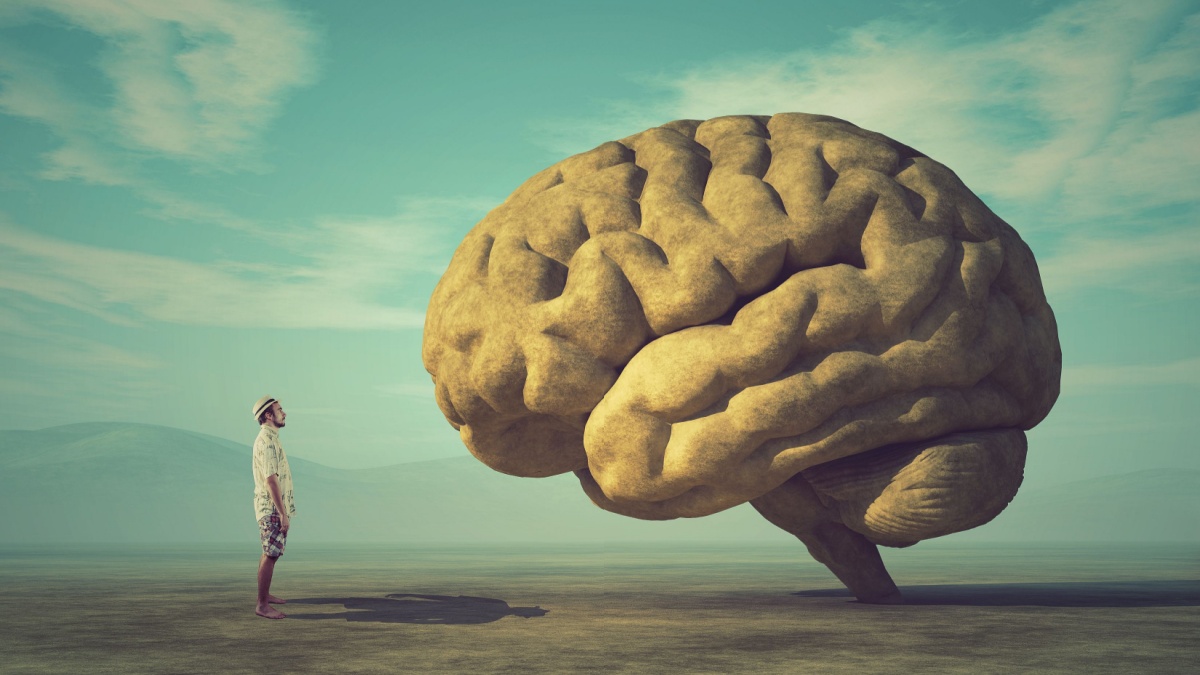
Although our Neanderthal genetic legacy has gradually faded over thousands of years, recent research indicates that the DNA from our extinct relatives continues to shape our brain structure.
Enduring legacy
The brains of Neanderthals did not exhibit the typical globular shape seen in Homo sapiens, suggesting that many of the genes inherited from these ancient humans may have had adverse effects on our neurological development and were therefore eliminated over time.
However, the fact that roughly 2 percent of the genomes of modern non-African populations are derived from H. neanderthalensis indicates that some of this genetic material persists. To refine our understanding of its influence, Italian researchers analyzed 40,000 brain scans, establishing connections between hundreds of different neurological traits and genetic variations linked to Neanderthals.
Published on the bioRxiv server, the study uncovers 28 distinct genomic loci where Neanderthal DNA appears to affect our neurological development. Notably, one gene, DAAM1, located on our fourteenth chromosome, was found to influence 39 different morphological features within the occipital and parietal cortices.
In this particular instance, it seems to limit the risk of schizophrenia. Conversely, variants of the gene PRDM5, located on the fourth chromosome, have been associated with thinning of the frontoparietal cortex, which in turn is linked to an increased susceptibility to severe depression, addiction, and personality disorders. The researchers also discuss the implications of the LC13A3 gene variants, which affect the structure of our white matter and are correlated with an elevated risk of leukoencephalopathy and occasional neurological seizures.
A subtle yet biologically significant influence
Overall, these findings support the hypothesis that many Neanderthal genetic variants affecting brain morphology were likely detrimental to Homo sapiens.
The researchers conclude, “Those that managed to escape natural selection continue to influence cortical organization and connectivity in subtle yet biologically significant ways, with implications for neuropsychiatric disorders such as schizophrenia and depression.”
Previously, Neanderthal genes had also been linked to being an early riser.