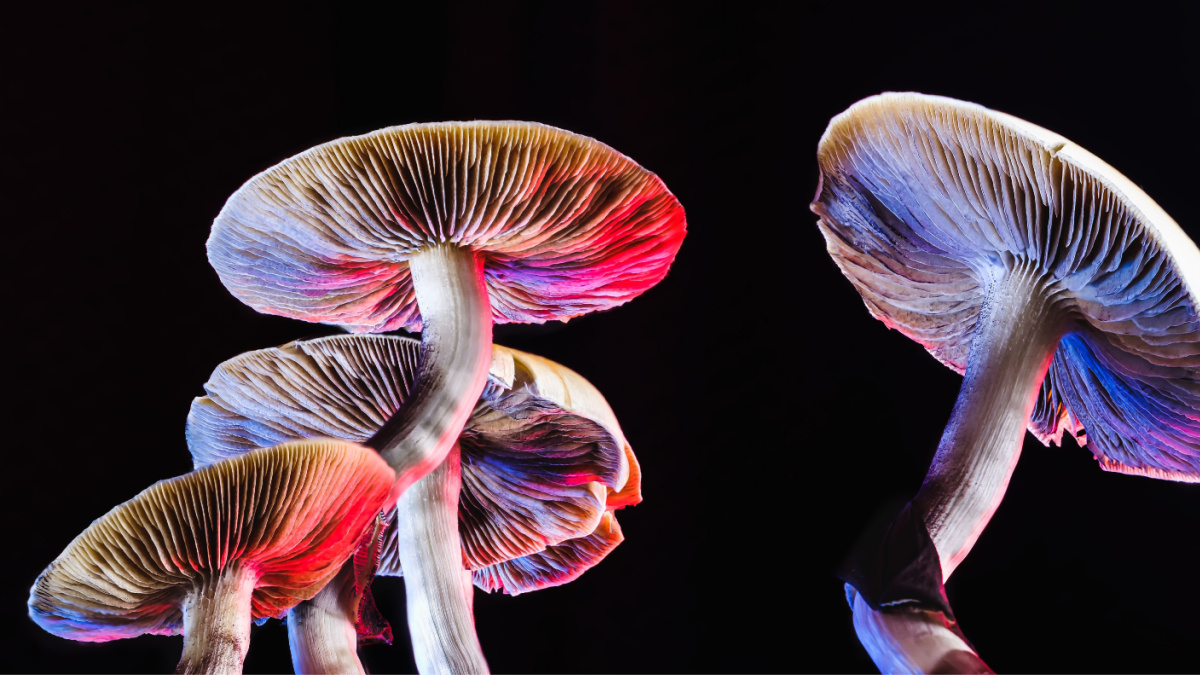
In 2020, Oregon became the first U.S. state to permit psilocybin-based therapies. Recent data showcases the effectiveness of this approach for treating various prevalent disorders.
Promising effects
Over the past three years, more than 20,000 individuals in Oregon have legally accessed psilocybin therapy through 26 licensed facilities. A recent study published in JAMA Network Open evaluated data from 346 participants who received a single dose of this psychedelic compound, derived from hallucinogenic mushrooms, between November 2024 and March 2026.
One month after the treatment, 92.2 percent of participants reported experiencing beneficial effects, with 58.6 percent ranking the experience among the top ten most significant events of their lives. While satisfaction before treatment was at 63 percent, it rose to 82.3 percent three months later. On average, participants’ well-being scores improved from 22.1 to 25.3.
In terms of mental health benefits, participants’ depression scores decreased from 9.3 before treatment to 5.2 twelve weeks later, anxiety scores fell from 10.1 to 6.0, and post-traumatic stress scores dropped from 14.1 to 10.4.
Only four participants reported adverse effects that required medical attention during the treatment phase. However, this did not prevent them from describing the experience as “very enriching” or feeling that the therapy had “met their expectations.”

A groundbreaking analysis
This research marks the first comprehensive analysis assessing the safety and efficacy of psilocybin across multiple facilities.
While other U.S. states, including Colorado, and Mexico have followed Oregon’s lead, it is crucial to conduct additional studies before considering the widespread use of psychedelics for therapeutic purposes.
Although psilocybin is classified as a controlled substance in France, its potential for treating certain psychiatric disorders is currently under exploration in clinical trials.
Last year, a study revealed that psilocybin may also slow down the aging of human cells.