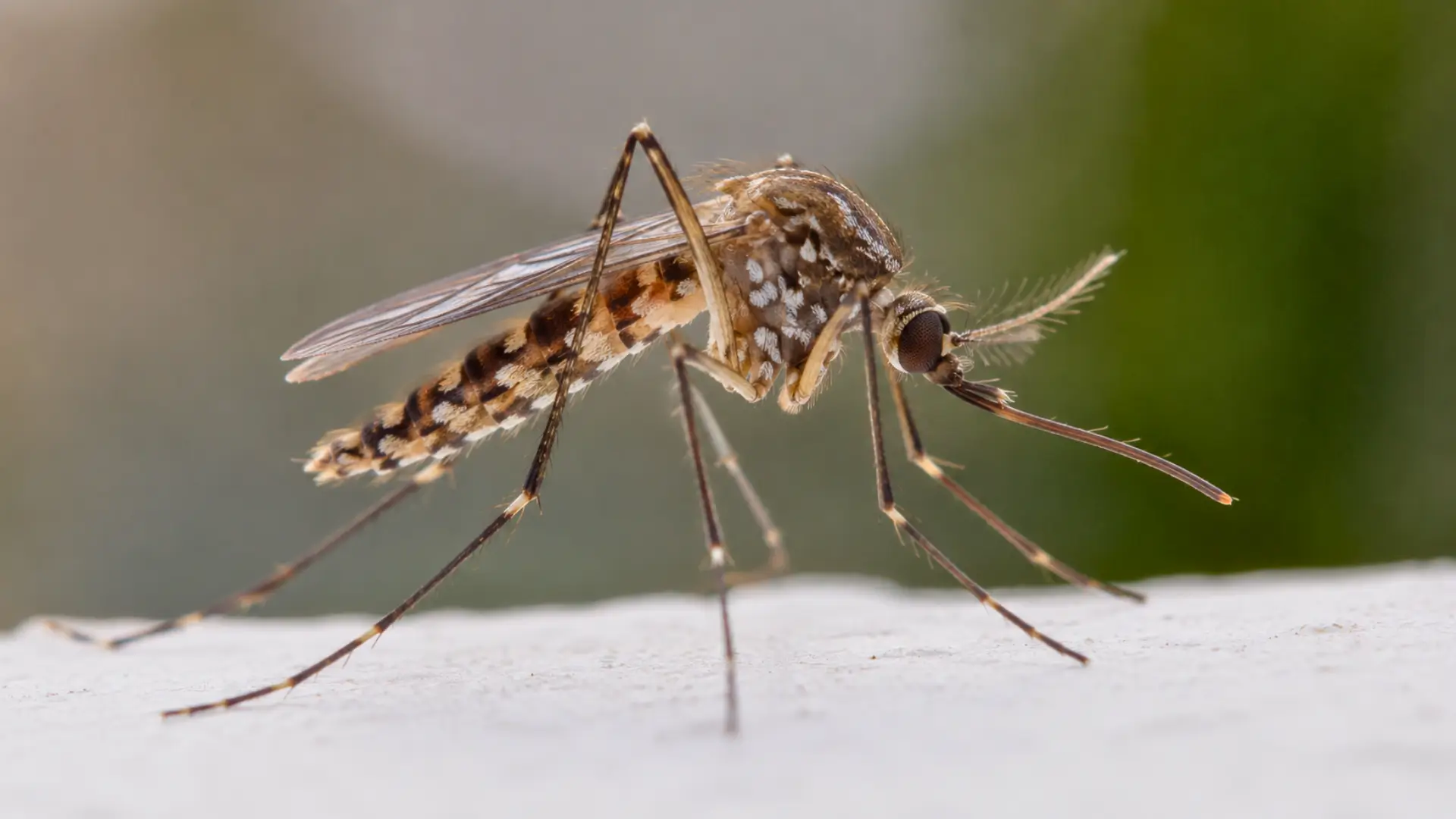
Releasing mosquitoes to combat their population may sound like a sci-fi plot twist, yet this strategy, currently under review by the EPA, represents a meticulously designed biological approach aimed at curbing a significant vector of the West Nile virus.
Google’s official request turns mosquitoes into a health tool
This initiative is surprising on many levels. Google LLC has submitted a permit application to the U.S. Environmental Protection Agency to release up to 64 million male mosquitoes over two years in California and Florida. While this may sound like a plot out of a futuristic novel, the project is based on a logical and methodical approach.
The targeted insects are from the species Culex quinquefasciatus, which is closely associated with the transmission of the West Nile virus. The plan involves releasing up to 16 million males per year in each state. However, these are not mosquitoes engineered to bite; rather, they are males selected specifically to inhibit the emergence of the next generation.
This distinction is crucial. The males do not bite and do not transmit disease. Their sole purpose is to locate females. Importantly, they carry a natural bacterium, Wolbachia pipientis, which has been extensively studied for its potential in vector control. Rather than relying on toxic substances or sprays, this project aims for a subtle interruption of reproduction.
How Wolbachia prevents births without poison or genetic modification
The mechanism at play is known as cytoplasmic incompatibility. When a male infected with Wolbachia mates with an uninfected female, the fertilized eggs fail to develop properly. In simpler terms, while mating occurs, the offspring do not materialize.
This method is particularly intriguing. No toxins are released into the air, soil, or water. Additionally, there are no chemical clouds drifting over neighborhoods. Instead, the population decreases over generations because the most frequent encounters become the least fertile. Such a targeted intervention is a rarity in applied ecology.
Successful trials indicate that the method works on a large scale
This project is not without precedent. In Singapore, Wolbachia-based programs targeting Aedes aegypti have shown remarkable outcomes, including a reduction of over 70% in dengue risk among residents in affected areas, along with a substantial drop in the targeted mosquito population. This isn’t just an academic hypothesis: it is a method already tested successfully on a large scale.
The appeal of this approach lies in its deviation from traditional methods, which often are too broad and cause the targeted mosquitoes to develop resistance. In contrast, Wolbachia allows for more precise action. The goal is not a drastic depletion of an ecosystem but rather a measured reduction of a specific species posing a major public health concern.
Of course, questions remain. The local impacts of a significant reduction in mosquito populations require careful monitoring. Other species may move in to fill the void left behind. However, ecologists note that predators of mosquitoes, such as birds, fish, or bats, tend to be opportunistic and do not rely on a single insect species for survival.
Reducing Culex could mitigate a well-established virus in the American landscape
This scientific caution does not diminish the urgency of the situation. The West Nile virus continues to be the leading mosquito-borne disease in the contiguous United States. In California, health authorities have reported over 8,000 human cases and more than 400 deaths since 2003. Thus, diminishing the mosquito responsible for transmitting this virus no longer seems like a tech gimmick.
What is striking in this case is the transformation in perception. Mosquitoes typically embody a perfect foe. In this scenario, part of the species is emerging as a biological tool against their own proliferation. This initiative is neither purely military nor a laboratory operation disconnected from real-world implications. Instead, it represents a compromise among fine biology, industrial automation, and public health.
As we consider the future of this initiative, its success depends on approval from the EPA. Currently, the project is targeting Culex in California and Florida. If successful, other cities may come to view the release of sterilizing male mosquitoes not as an oddity, but as one of the few means of controlling diseases without saturating the environment with chemicals.