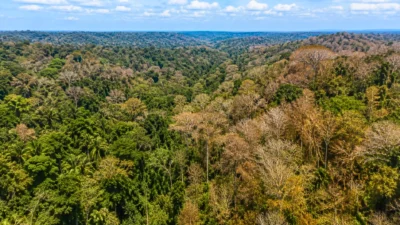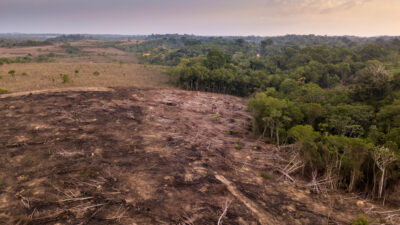
As the planet warms, ecosystems such as wetlands are emitting more carbon. New projections indicate that these natural feedback loops will significantly exacerbate climate change by the end of the century.
Vicious circle
Fossil fuel emissions are not the sole culprits behind rising global temperatures. A warmer atmosphere tends to hold more water vapor, which in turn enhances the greenhouse effect, further intensifying warming.
While current climate models already account for some of these feedback loops, researchers have been focusing on ecosystem-level feedbacks that disrupt carbon storage and are generally underestimated in their impact. “For an effective response, we must consider all sources of emissions contributing to warming,” says Christina Schädel from the Woodwell Climate Research Center.
The first major factor is the thawing of Arctic permafrost, which leads to the decomposition of organic matter that has been trapped for millennia by microbial communities, releasing significant amounts of CO2 and methane into the atmosphere.
Ecosystems like wetlands emit more carbon as temperatures rise. By 2100, such feedback loops will increase warming by 20 to 30 percent more than anticipated https://t.co/y35QWjbC2T
– New Scientist (@newscientist) September 10, 2026
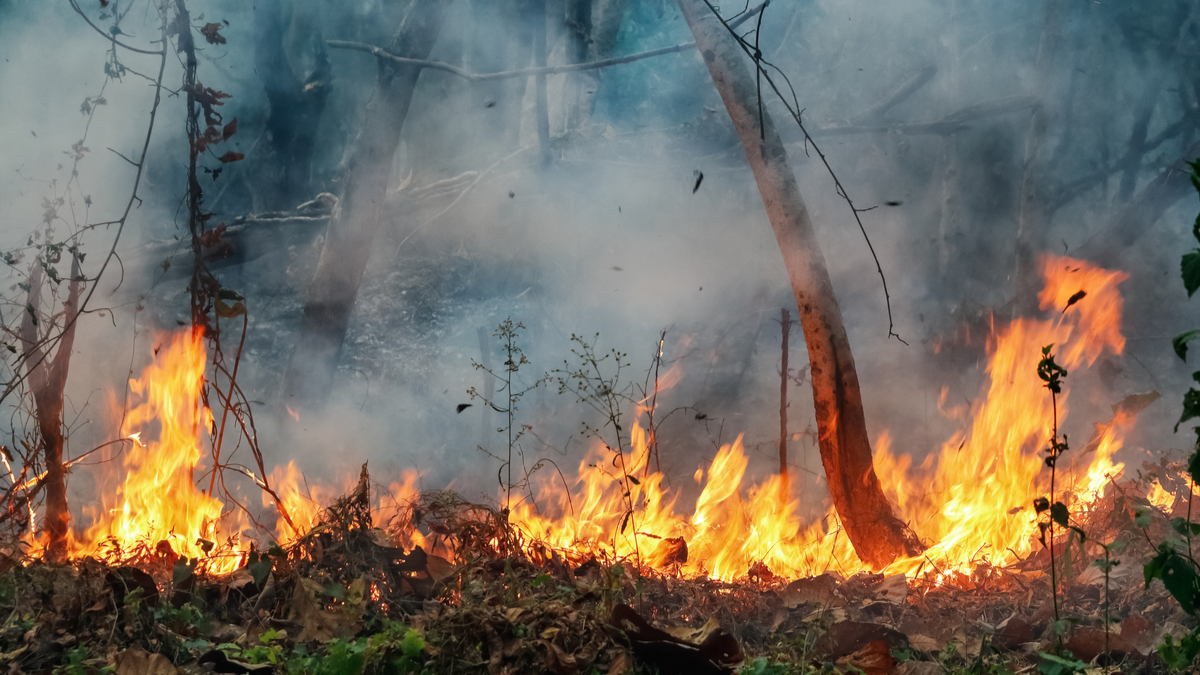
The second and third factors involve wetlands and freshwater areas, where decreasing concentrations of dissolved gases also promote carbon emissions. Lastly, the gradual drying of soils leads to devastating wildfires, resulting in massive greenhouse gas emissions.
An inevitable part of warming
According to the authors of a new study published in Environmental Research Letters, a significant proportion of this additional warming is now unavoidable due to the lag effect between when emissions occur and when their impact on temperatures is felt.
Even in a scenario where greenhouse gas emissions are drastically reduced by 2050, these four feedback loops could still contribute to an additional 0.4°C rise by 2100, representing a 20 to 30 percent amplification of warming. If emissions were to be cut starting today, this increase would still amount to 0.2°C.
Although these findings are alarming, they emphasize the crucial need to intensify efforts to mitigate climate change. It is estimated that the Earth has already warmed by nearly 1.4°C since the start of the industrial era, with impacts already being felt, including deadly heatwaves and catastrophic flooding, as well as historic El Niño events.