Can the Amazon rainforest actually release more carbon than it absorbs? Influenced by El Niño, heat and drought are disrupting a delicate balance that has existed for millions of years, raising concerns just as the world relies on forests to combat climate change.
The delicate balance between photosynthesis and respiration
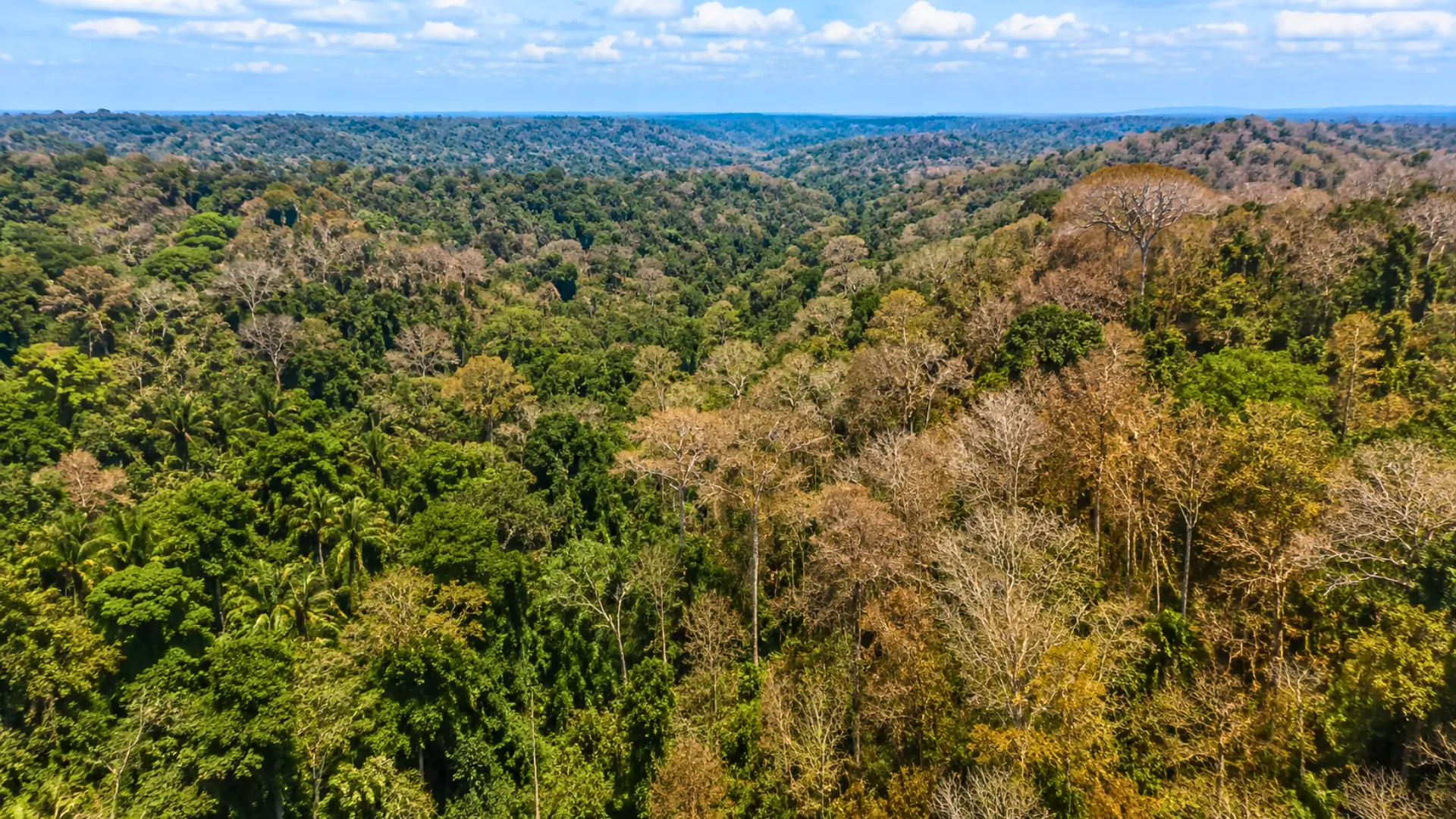
At first glance, the Amazon rainforest appears peaceful, with only a few insects flitting about and leaves swaying gently in the moist air. However, it is a battleground at a microscopic level. Through photosynthesis, trees absorb carbon dioxide to create wood, roots, and new shoots, essentially transforming the forest into a massive living reservoir of carbon.
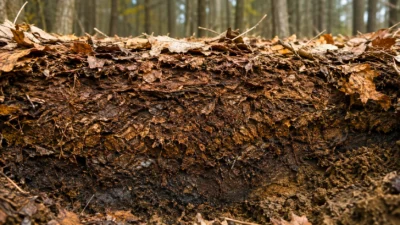
This ability to absorb carbon is not guaranteed. Trees also respire, releasing carbon alongside soils, fungi, and decomposing organisms. A forest acts as a carbon sink only when its growth can counterbalance these emissions. The Intergovernmental Panel on Climate Change (IPCC) has already observed a weakening in the Amazon’s carbon sink, despite the fertilizing effects of atmospheric CO₂.
When conditions turn hot and dry, trees close their stomata -tiny openings on their leaves. While this response reduces water loss, it also inhibits the absorption of carbon dioxide. Growth slows, some trees die, and decaying timber contributes to a carbon debt that can last several decades.
The impact of El Niño on heat and drought in the Amazon
El Niño originates thousands of miles away in the tropical Pacific when surface waters become unusually warm. This oceanic upheaval alters temperature and rainfall patterns across much of the globe. In the Amazon, it can result in a disastrous combination of less water, increased heat, and extended dry seasons.
The 2015-2016 El Niño served as a real-world test of these effects. In several South American tropical forests, carbon absorption plummeted due to extreme temperatures, particularly in regions already experiencing dry seasons. It was as if their climatic buffer had vanished quicker than in the wetter areas.
Field measurements reveal the true vulnerability of Amazon forests
Researchers are not relying solely on satellite data to measure these shifts. In hundreds of sample plots, teams meticulously wrap measuring tapes around tree trunks, catalog dead trees, and return to the sites over many years. This extensive fieldwork is performed under all sorts of weather conditions -from rain to heat to swarms of mosquitoes.
These observations help differentiate between forests that are flourishing and those gradually losing biomass. They also highlight significant variations among tree species. Some trees are more tolerant of drought, while others rapidly reach their physiological limits. The rich diversity of the Amazon could offer some resilience, but it is not an infallible shield.
Globally, forests have absorbed over 100 billion tons of CO₂ in the past 30 years, according to an international study released in 2024 by the University of Leeds. However, this impressive figure masks severe fluctuations. A reassuring average can hide years when some forest areas temporarily act as net carbon sources.
The repeated shocks to ecosystems threaten their carbon-sequestration role
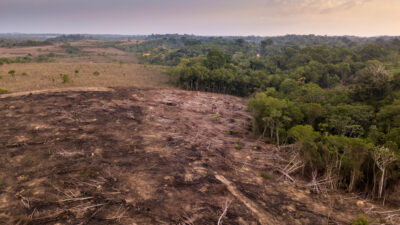
The danger lies not just in a single extraordinary event but in the repeated incidents. A tree weakened by drought may survive one dry season but succumb to another. Add to this mix the threats of wildfires, habitat fragmentation, and deforestation, all of which warm local landscapes and diminish ecosystems’ ability to recover.
As of July 2026, NOAA services indicated a strong likelihood of a new El Niño forming within the year, with a high chance of persistence through the northern hemisphere winter. Thus, the question transcends the fate of trees: how long can climate policies afford to view nature as a guarantee rather than an equilibrium that needs protection?