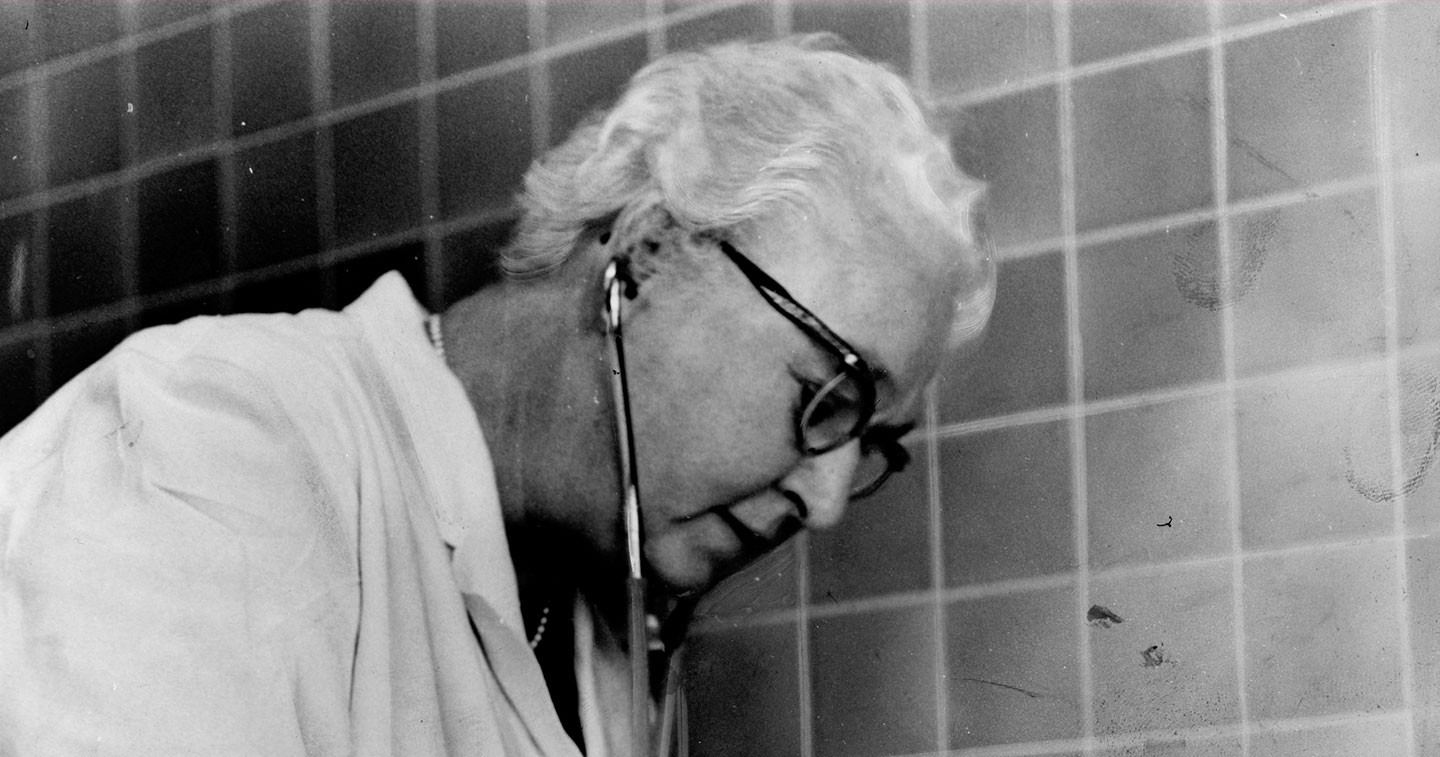
Born in 1909 in the United States, Virginia Apgar was a pioneering anesthesiologist whose contributions have profoundly influenced obstetrics and newborn care.
In 1952, Virginia Apgar developed a swift and effective method to assess a newborn’s vitality, known as the “Apgar score.” Prior to this innovation, there was no standardized approach for quickly evaluating a newborn’s state. As a result, many health issues often went unnoticed by caregivers until they became emergencies.
A nurse, midwife, or physician evaluates five specific criteria: skin color, heart rate, reflexes, muscle tone, and breathing. The test is performed twice -once at one minute and again at five minutes after birth. Each criterion receives a score of zero, one, or two points.
A score ranging from 7 to 10 is reassuring, while 4 to 6 is considered moderate, and 0 to 3 indicates a poor condition. Many infants initially score lower at one minute but generally improve by the five-minute mark, often falling within a normal range.
Even today, many people remain unaware of Virginia Apgar’s critical contributions to modern medicine. This may be partly due to the fact that the letters of her last name were used to create an acronym summarizing her observation method: Appearance, Pulse, Grimace, Activity, and Respiration. Friends of Apgar noted that she found it amusing when people first learned she was “a real person.”
Apgar was a trailblazer in several medical fields, helping to establish anesthesiology as a recognized specialty and enhancing anesthesia techniques for obstetric care. She also advanced the understanding and management of congenital anomalies.
She served as the head of the anesthesiology department at Columbia University, becoming its first female full professor.
Known for her sense of humor, Apgar was a lively medical educator who believed no topic should be taboo. She famously carried a resuscitation kit containing a knife and an endotracheal tube, ready to assist at a moment’s notice. She often said, “No one, absolutely no one, will stop breathing in my presence.”
After developing her iconic test and contributing to anesthesiology, Apgar shifted her focus in the late 1950s to the study and prevention of congenital disabilities. She was invited to join the National Foundation for Infantile Paralysis, which is now known as March of Dimes, an organization dedicated to research and advocacy for those affected by such conditions following the development of the polio vaccine.
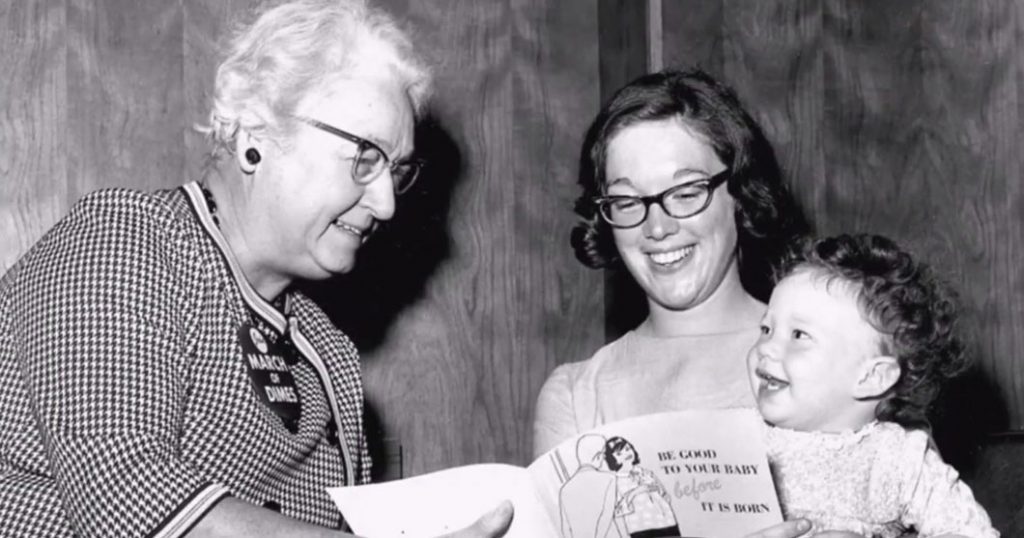
In her roles as director and then vice president of March of Dimes, Apgar made significant contributions to research, highlighting how various factors -such as infectious diseases, radiation exposure, substance abuse, and chemical exposure -affect the development of congenital anomalies. During her tenure, she traveled across the United States to raise public awareness about these critical issues.
In her spare time, Apgar enjoyed gardening, fly fishing, and taking flying lessons. An accomplished violinist, she played in various chamber orchestras and even learned to craft string instruments, including violins, violas, and cellos.
Her amateur luthier skills led her to a brief and amusing escapade. In 1957, a musician friend spotted a maple shelf in a telephone booth at Columbia University’s medical center, which she thought would make an excellent base for a viola. Apgar and her friend decided to sneak into the facility at night to retrieve the shelf and replace it with another piece of wood that matched in color.
Since the replacement piece was slightly too long, Apgar’s friend went to the nearby restroom to saw it down while Apgar kept watch. The “fruit of their theft” became part of one of four string instruments crafted by Apgar, which were used in a ceremony in 1994 to mark the release of a commemorative stamp featuring the pioneering physician.
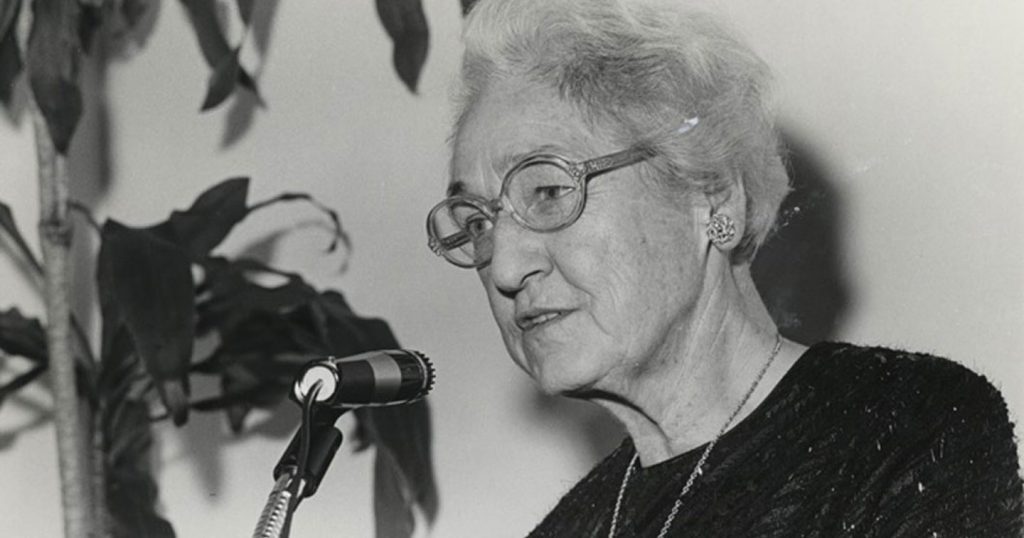
Virginia Apgar passed away in 1974 at the age of 65 due to liver failure. Despite her significant contributions to modern medicine, she remains largely unknown to the general public.