Could a simple discomfort upon waking hint at an overlooked respiratory issue? Doctors are now warning about an unexpected physical sign, visible in the eyes, that may help detect sleep apnea earlier, a condition still largely underdiagnosed.
Eye symptoms may indicate sleep apnea
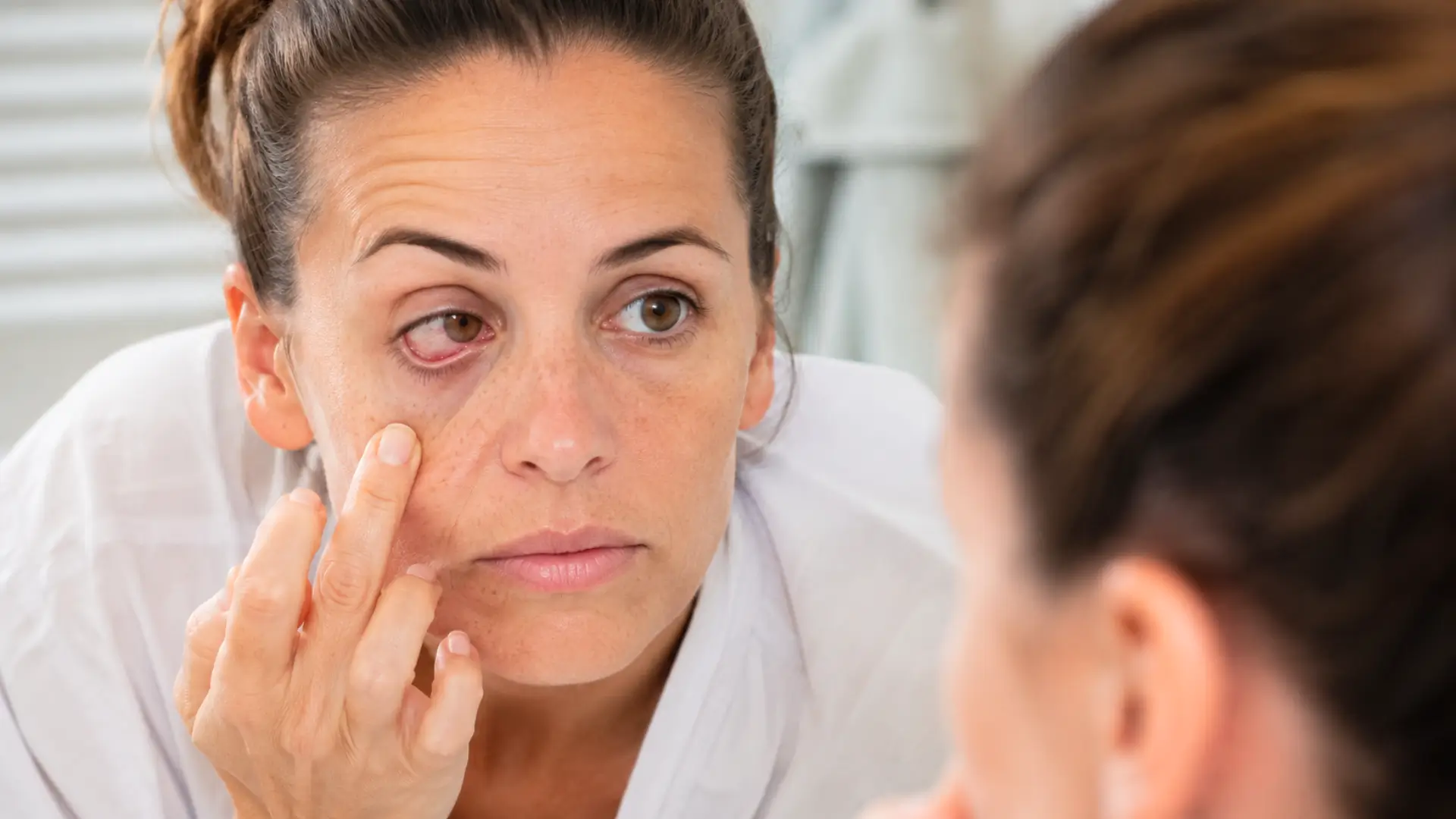
This phenomenon has even puzzled some experienced ophthalmologists. In certain young patients, eyelids can suddenly become abnormally flexible, turning inwards during the night. Upon waking, these individuals often experience burning, watery eyes that feel as if they’ve been in a sandstorm.
Once thought to be an isolated condition, the issue of loose eyelids is now drawing attention for another reason. Several doctors have noted a recurring link with sleep apnea, a respiratory disorder that causes intermittent pauses in breathing during the night.
In one case reported in a medical journal, a 39-year-old woman awoke each morning with her eyelids turned inward. Tests found nearly 27 respiratory interruptions per hour, indicating moderate sleep apnea. Following treatment, her eye symptoms nearly vanished.
Oxygen deprivation weakens eyelid tissues
At first glance, the problem seems mechanical. However, researchers emphasize that it is primarily due to the fragility of connective tissue. The elastic fibers that support the eyelids gradually lose their strength. As a result, the eyelids become unstable and more prone to deformation.
In those suffering from sleep apnea, the body frequently experiences drops in oxygen during the night. This invisible stress activates enzymes that break down elastin, a crucial protein for tissue flexibility. Experts describe it as a biological domino effect impacting various bodily areas.
Perhaps most perplexing is the subtlety of the symptoms. Many patients chalk up their discomfort to fatigue or irritation from screens. However, behind these seemingly ordinary complaints, some doctors uncover a chronic condition that can affect the heart, focus, and sleep quality.
A subtle eye disorder could help identify ignored cases
Sleep apnea affects millions worldwide, yet a significant portion of cases may never get diagnosed. Symptoms like snoring, persistent fatigue, nighttime awakenings, and morning headaches are often downplayed. The loose eyelid syndrome could serve as an important clue for identifying at-risk patients sooner.
This detail is particularly relevant for sleep specialists, as the consequences of sleep apnea extend well beyond fatigue. Research links this disorder to an increased risk of hypertension, cardiovascular incidents, and even cognitive issues. The prospect of an eye examination revealing early warning signs is gradually shifting the medical perspective.
Recent studies have extensively shared these observations, underscoring the importance of cross-disciplinary diagnostics. An ophthalmologist may now be the first professional to suspect a nocturnal respiratory disorder.
Addressing respiratory disorders can alleviate eye symptoms
Perhaps the most surprising aspect of this story is the effectiveness of treatment. In many cases, eyelid surgery is unnecessary. When sleep apnea is effectively managed, the eyelid tissues can regain some of their natural tone.
Doctors often employ a CPAP machine, which keeps the airways open with a gentle air pressure. For many patients, this improved sleep quickly reduces eye irritations. When combined with lubricants and nighttime protectors, these treatments can show visible results in just weeks.