Off the coast of the Yucatan Peninsula in Mexico, Cozumel Island is home to ancient Mayan ruins and unique wildlife. A long-thought-extinct small fox has recently been photographed on this island.
Pocket fox
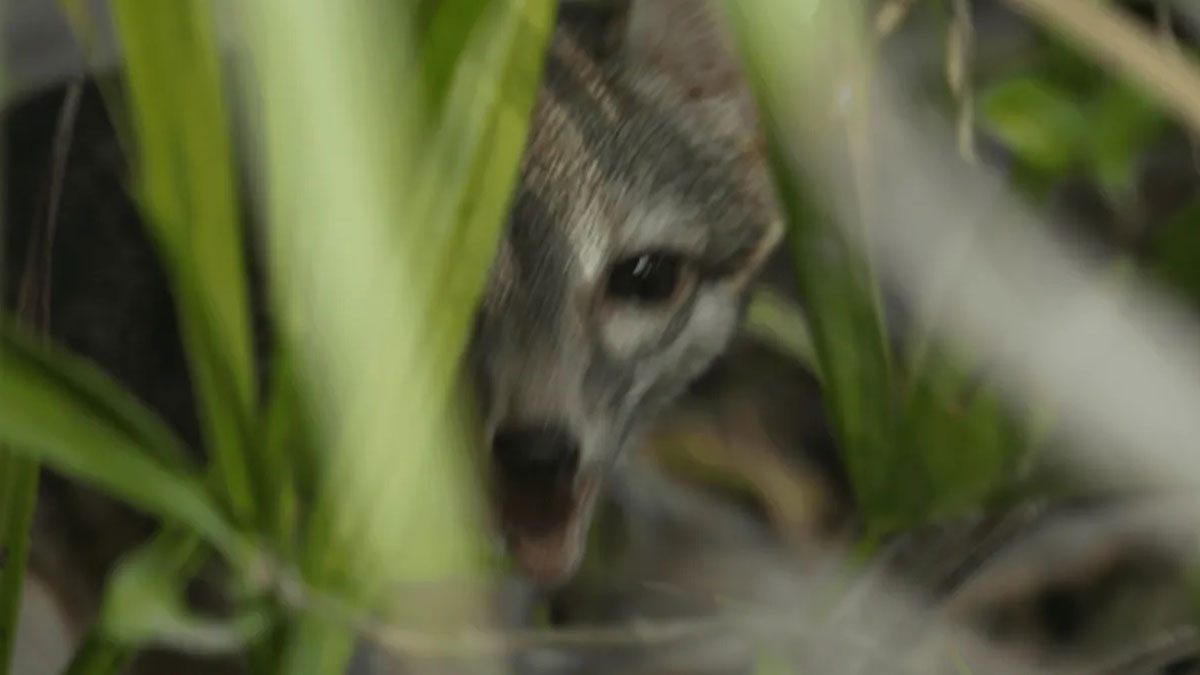
The first-ever images of this elusive creature, part of the Urocyon genus, were captured by Rafael Chacón, director of the Cozumel Parks and Museums Foundation. On the morning of September 14, 2023, reports began to pour in about a disoriented animal wandering near a road on the island’s eastern coast.
Equipped with his camera, Chacón visited the area and photographed an adult male fox, which was later rescued. After being observed for a few days, the fox was released back into a more suitable environment.
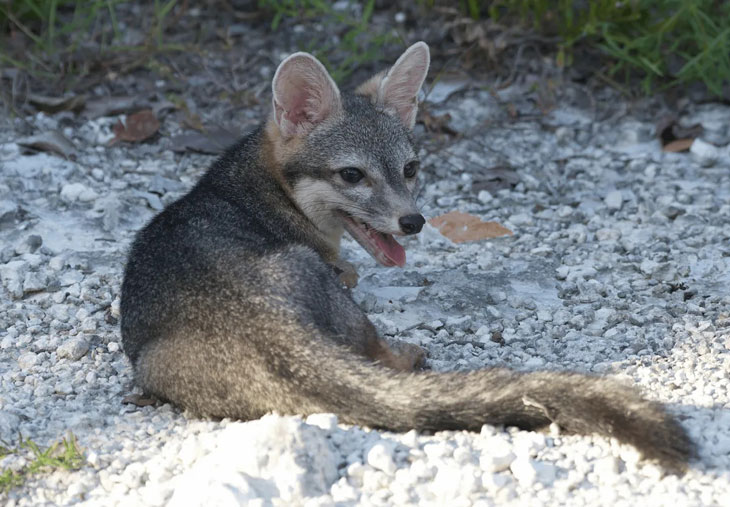
Endemic to Cozumel, this small fox is renowned for its extreme elusiveness. Until now, evidence of its existence had been limited to a few sightings dating back to the early 2000s, along with semi-fossilized remains found at various archaeological sites on the island.
A striking example of insular dwarfism, this fox is 20 to 40 percent smaller than its closest mainland relative, the gray fox (Urocyon cinereoargenteus). This evolution suggests that this pocket-sized canid has been isolated on the island for at least five millennia.
A unique and threatened fauna
Cozumel is also home to two other unique small carnivorous mammals: the pygmy raccoon (Procyon pygmaeus) and the dwarf coati (Nasua nelsoni).
According to the authors of a recent study published in the journal Neotropical Biology and Conservation, the rediscovery of the pocket fox highlights the urgent need for conservation measures to ensure their survival.
“Its rediscovery is essentially like a second chance,” states Travis Bayer from Pathos Wildlife. “Such efforts also deepen our understanding of Cozumel’s ecosystems.”
Earlier this year, a team of French researchers also photographed an African lark for the first time, which had not been seen for nearly a century.