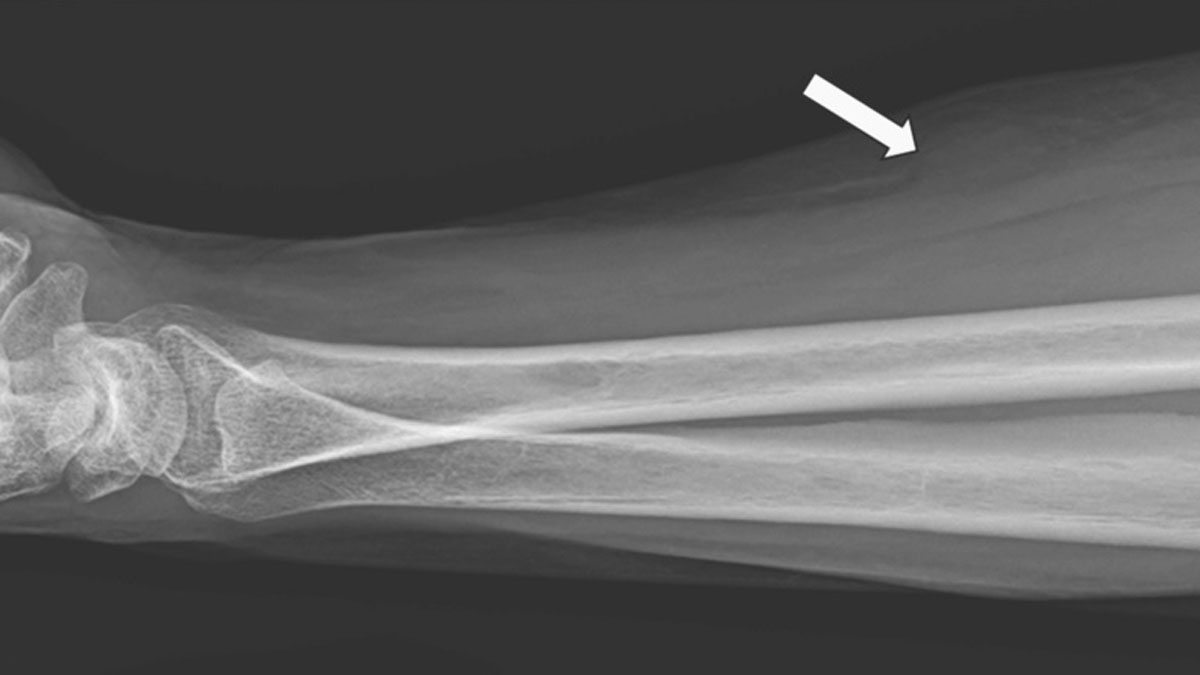
An astonishing case of spontaneous remission in a 59-year-old woman, who initially presented with a cancerous tumor in her arm and did not undergo conventional treatment, has recently been linked to a biopsy she had received. This procedure may have triggered a robust immune response.
Spontaneous remission
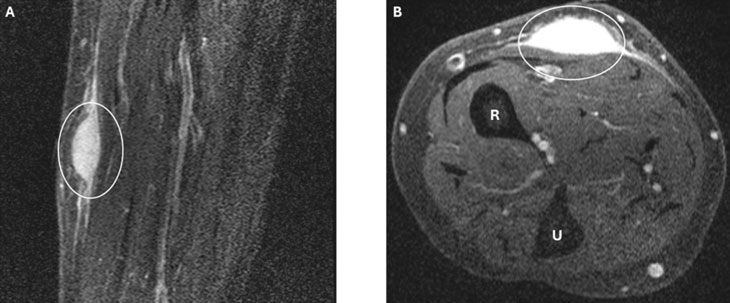
The woman experienced pain and discovered a lump approximately 2 centimeters wide, leading her to seek medical attention. Rohit Sharma from the Marshfield Clinic Health System in Wisconsin took a biopsy of the connective tissue between the skin and muscle, which confirmed the tumor to be a myxofibrosarcoma. This aggressive form of tumor is associated with a high risk of metastasis.
When she returned to the hospital two weeks later for surgery to remove the tumor, doctors were astonished to find that it had completely disappeared. “She reported that the mass began to shrink three or four days after the biopsy,” Sharma noted. Follow-up tissue analyses confirmed the absence of cancerous cells.
The timeline of these events suggests a significant immune response triggered by the biopsy. So far, nine similar cases have been documented, mostly involving skin cancers.
“This procedure may release inflammatory signals that activate frontline immune cells, which can eliminate damaged tumor tissue within hours or days,” Sharma explained. “T cells then target the released tumor proteins.”
Potential implications
Authors of this new study, published in the journal Cureus: Journal of Medical Science, indicate that the small number of documented cases also suggests possible genetic predispositions or exposure to specific environmental factors that could amplify this kind of immune response.
Illuminating the underlying mechanisms involved, possibly through sequencing and examining historical medical records of affected patients, could lead to the development of novel treatments.
“By understanding precisely how the biopsy enhances immune signaling, we could take inspiration from this and develop compounds that have a similar effect,” concluded Caetano Reis e Sousa from the Francis Crick Institute in London.
Earlier research has already connected metastasis to fundamental biological mechanisms that are also involved in tissue regeneration.