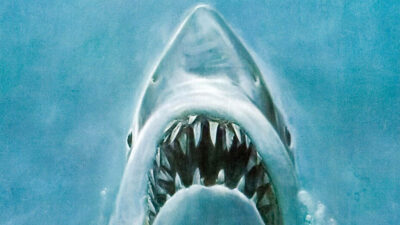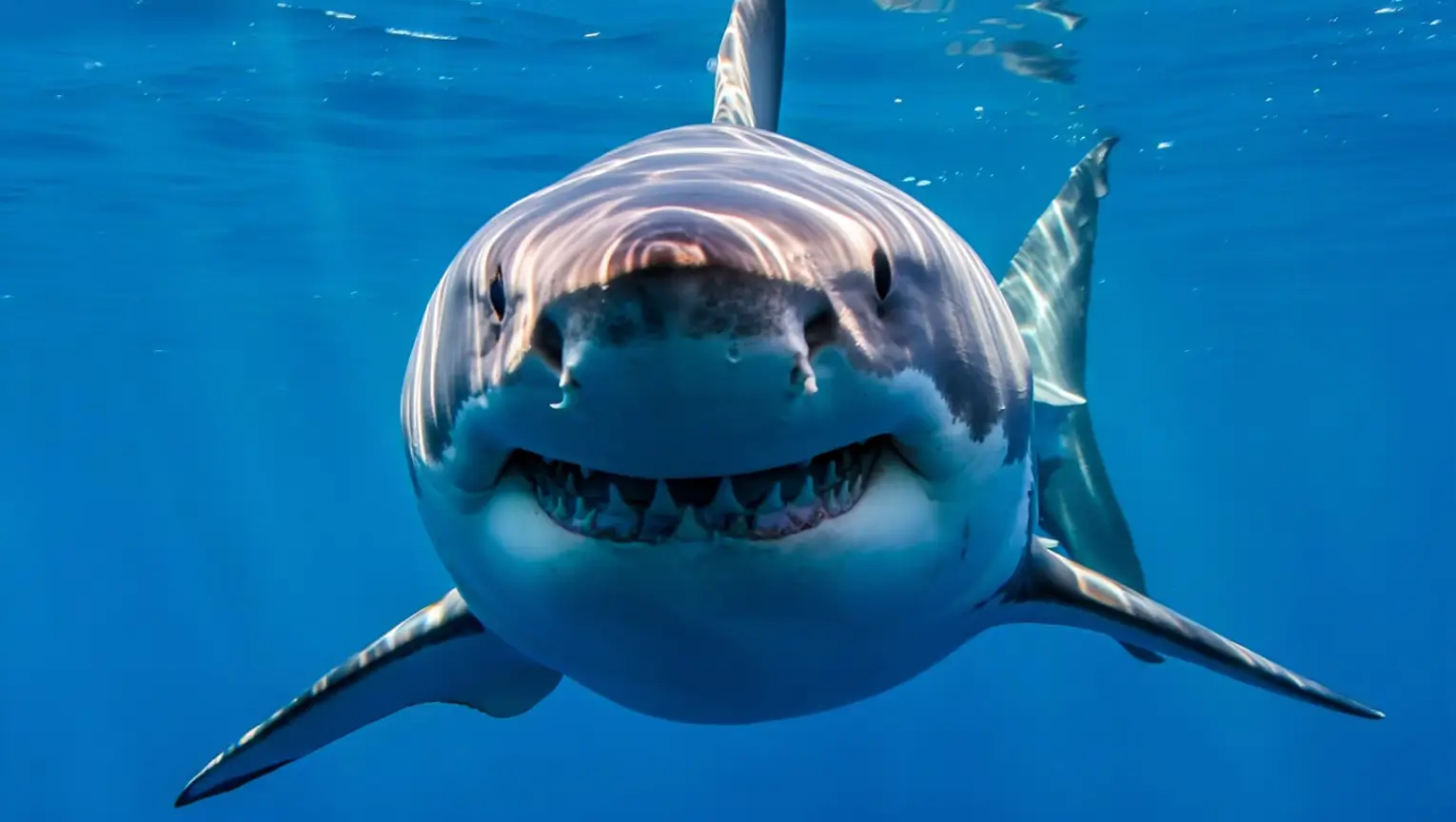
Shark encounters often stir fear, especially after a recent incident in the Bahamas, but statistics paint a much less terrifying picture.
Details of the incident in the exumas
A recent event in the Bahamas on June 23, 2026, drew attention to the safety of ocean activities. Around 3:30 PM, a twelve-year-old American boy was swimming off Staniel Cay in the Exuma Cays during a family outing when he was bitten by a shark.
He was promptly transported by boat to New Providence for medical attention, where he was reported to be in stable condition the following day. The specific species of shark involved remains unidentified, but this incident marks the second unprovoked bite reported in the Bahamas this year.
Understanding the statistics behind shark attacks
Statistics from the International Shark Attack File (ISAF), maintained by the Florida Museum, reveal that shark bites are relatively rare. In 2024, there were 47 unprovoked bites globally, resulting in four fatalities. The following year saw a slight increase, with 65 incidents reported, including nine deaths. Historically, these numbers have remained stable, averaging around six fatalities per year.
The likelihood of dying from a shark attack is strikingly low, estimated at 1 in 4,332,817. In comparison, the odds of being struck by lightning are far higher at 1 in 79,746. This stark contrast often surprises those who perceive sharks as significant threats.
In examining incidents in the Bahamas, the ISAF’s coverage dates back to 1749, extending nearly three centuries, not four hundred years as sometimes stated. Over this time, just around thirty unprovoked attacks have been recorded, with five bites and zero fatalities between 2012 and 2021. The often-quoted “ninth place” ranking for the Bahamas reflects an accumulation of historical data rather than a current danger level.
Why sharks bite: the science behind the behavior
According to researchers, many shark bites result from mistaken identity where the shark confuses a human body part for prey. Poor visibility in murky waters exacerbates this risk, particularly when baitfish draw predators closer to shore. Often, a bite is an exploratory action rather than an intentional attack.
Gavin Naylor, director of the Florida Program for Shark Research, explains that surfers often enjoy areas with great waves, which tend to be cloudy and attract baitfish, further increasing the chance of encounters. The resulting turbidity makes it harder for sharks to see, leading to more cases of mistaken bites.
Various shark species inhabit these waters, but none have been definitively linked to the recent incident. The Caribbean reef shark (Carcharhinus perezi), commonly found in the Bahamas, is known for rarely biting humans. The tiger shark (Galeocerdo cuvier) is more opportunistic and frequents coastal waters, but due to the lack of species identification in most bites, many cases remain unresolved.
Conservation efforts and the rising shark population
Since 2011, the Bahamas has banned commercial shark fishing, establishing the Bahamas National Shark Sanctuary, covering approximately 630,000 square kilometers and hosting over forty shark species. This conservation effort has turned sharks into valuable economic assets, with shark and ray ecotourism contributing around $114 million to the local economy in 2014.
As more sharks are preserved and more divers explore these waters, encounters with sharks are more frequent. Nevertheless, the risk to humans remains extremely low. In reality, sharks face much greater dangers than those posed to swimmers.
Of the 1,200 known shark species, around 30 percent are categorized as endangered, which is alarming considering these creatures have survived for about 330 million years. Behind the rare bite lies a crucial narrative about the preservation of marine ecosystems and the existing balance that these ancient predators help maintain.