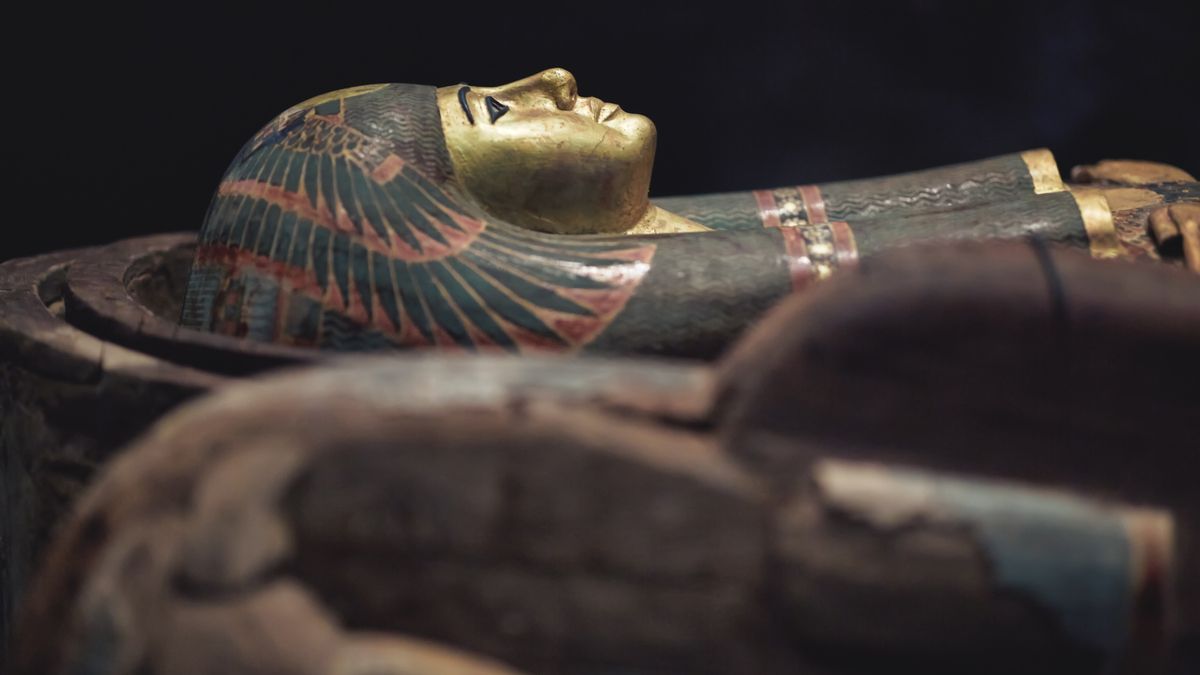
Mummies may contain deadly fungi and other pathogenic organisms. Their increasing trade online raises concerns.
Recurring signs of biodeterioration
Recently, researchers examined over a hundred online listings featuring 122 mummified human remains, along with those of a cat, an ibis, a perch, a falcon, and a primate. More than half of these included heads that were well-preserved to varying degrees, and in some instances, these were “tsantsas,” tanned skulls created by the Shuar people of Amazonia. It was discovered that 13 of these had clear signs of fungal colonization.
The team noted that 44 of the mummies came from Egypt, while 21 others originated from South America. This suggests the use of toxic embalming methods and inadequate storage conditions that promote microbial growth.
The authors of the study published in the International Journal of Cultural Property noted that the rise of social media has significantly increased demand for these unique artifacts of cultural heritage. They pointed out that sellers rarely mention the health risks and necessary precautions for handling these items, which indicates a lack of awareness or disregard for safety.
The risks extend beyond sellers and buyers. Researcher Kirsty Squires highlighted that the national and international shipping of these items exposes many individuals -postal workers, delivery drivers, customs agents -to dangerous pathogens, facilitating their cross-border spread. She concluded that as long as this poorly regulated trade continues, both the living and the dead will remain at risk.
Famous “curses”
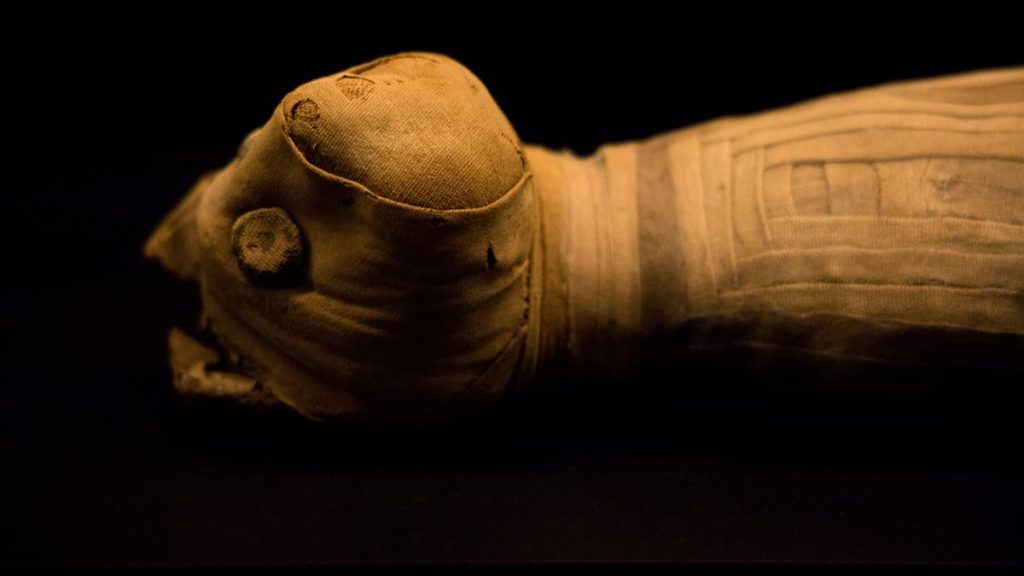
Among the most notorious cases of deadly contamination related to mummies is the so-called “curse of Tutankhamun,” often attributed to spores of the fungus Aspergillus found in the tomb of the famed pharaoh. This fungus is believed to have contributed to the death of wealthy patron Lord Carnarvon in the 1920s.
The same reasoning has been suggested for the deaths of 10 of the 12 scientists who participated in the 1973 opening of the tomb of King Casimir IV in Krakow, where he had lain for nearly five centuries.