
A professor at the National University of Singapore embarked on a unique health program aimed at enhancing biological resilience, yielding remarkable results.
Testing his own hypothesis
For nine months, Dean Ho adhered strictly to the DELTA protocol, collecting real-time data to monitor the physiological changes he experienced throughout the study.
His routine included going to bed each night at 9:15 PM and waking up at 6:00 AM. He practiced intermittent fasting for 20 hours daily, consuming food only between 11 AM and 3 PM. His diet mainly featured leafy green vegetables, olive oil, seeds, and lean proteins. He also consumed a daily smoothie made with blueberries, red cabbage, broccoli, and ginger, along with chia pudding mixed with cocoa.
In addition, his daily workout regimen combined weight training with high-intensity interval training, totaling 90 minutes of exercise.
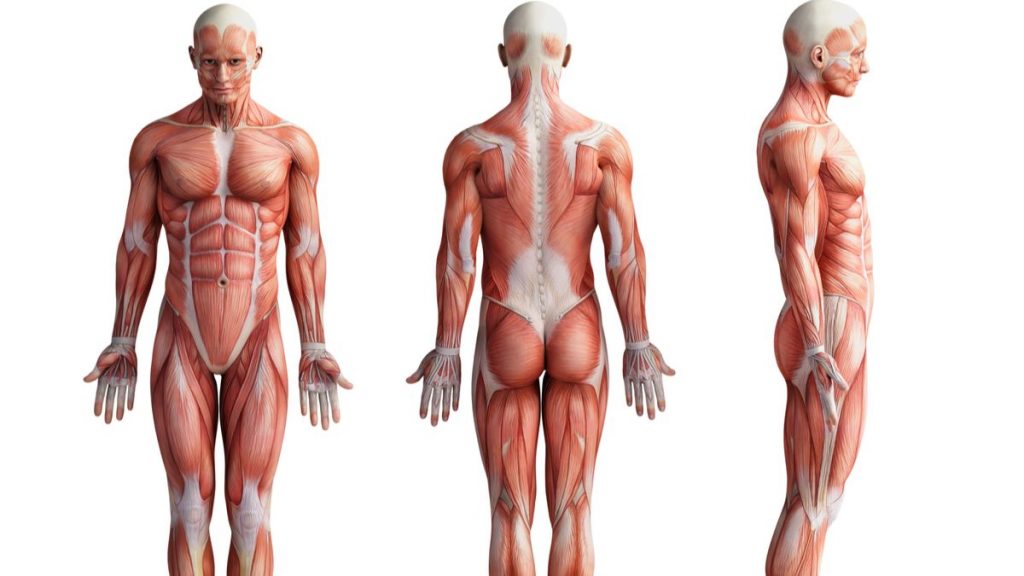
At the end of this period, the 47-year-old scientist’s biological age was estimated to be just 31.8 years based on various biomolecular markers. Besides achieving a more muscular physique, his resting heart rate dropped from 65 to 46 beats per minute, and the time required to transition from carbohydrate to fat burning decreased from 24 to just 16.5 hours. His average sleep duration increased to 8 hours, with a significant rise in deep sleep phases.
Challenges of maintaining such a program
Despite the striking results, Ho notes that the drastic lifestyle changes involved in his regimen might not be practical for most people.
“There were nights when I’d go out without eating a thing, which certainly amused my friends,” he recounted regarding his experience shared in a recent study published in PLOS One.
He believes that such findings could reshape our understanding of healthy aging, but emphasizes the necessity of replicating this study with a larger group and including a control group.
In prior research, some studies have suggested that younger generations may be aging more rapidly than their predecessors.