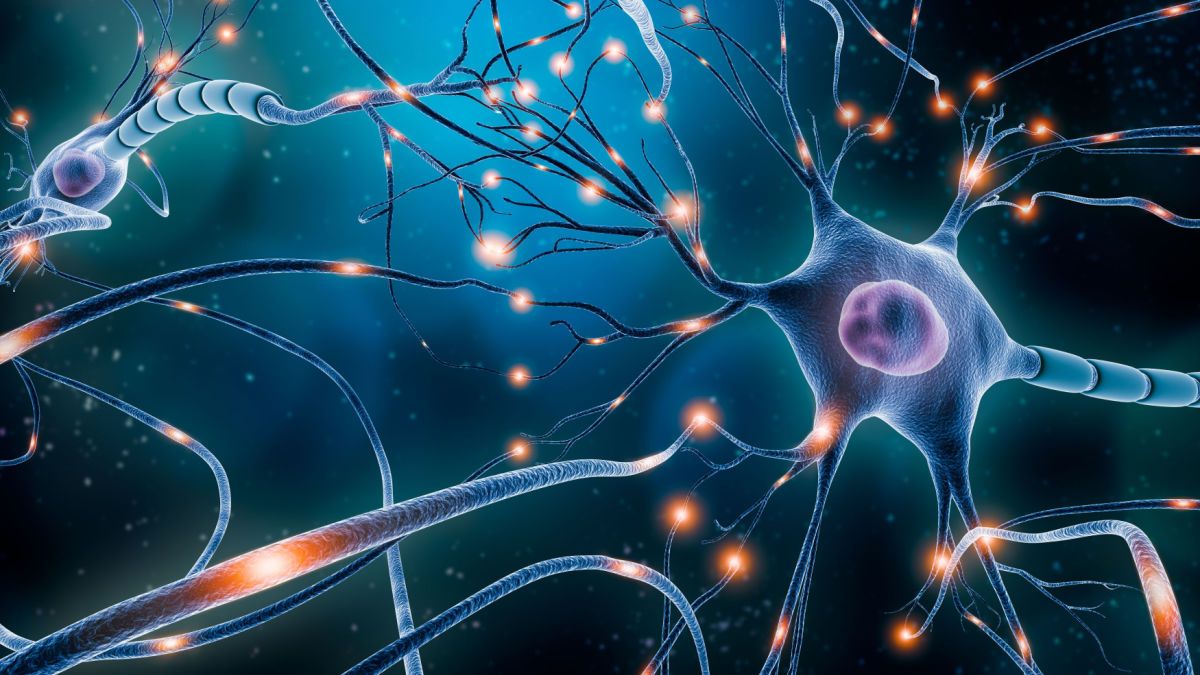
In preclinical trials, nanoparticle injections have successfully stimulated the formation of new neurons in mice, helping to restore cognitive abilities in treated specimens.
Targeting the PTBP1 protein
Alzheimer’s disease is characterized by inflammation in brain tissues, which leads to a reduction in the number of neurons in crucial areas like the hippocampus. As our brain struggles to replace these neurons quickly enough, individuals experience a gradual, and currently irreversible, decline in cognitive function.
While existing treatments primarily focus on combating inflammation to slow cognitive decline, astrocytes present a promising avenue for reversal. Under certain conditions, these star-shaped cells, which are typically responsible for maintaining the chemical environment of neurons, can differentiate into nerve cells.
The polypyrimidine tract binding protein 1 (PTBP1), which binds to astrocyte RNA, poses a significant barrier to this “transformation.” Peisheng Xu from the University of South Carolina and colleagues have developed a nanogel that specifically targets this protein in the brain.
Integrated with nanoparticles, their Nano-ERASER safely transports antibodies specific to PTBP1 across the blood-brain barrier. Through a selective degradation system, the nanogel has been effective in inhibiting PTBP1 in adult rodents, regardless of whether they have Alzheimer’s.

Impressive initial results
In mice suffering from this form of dementia, the most obvious sign of cognitive decline is their inability to build nests. A few weeks after receiving the injections, the Alzheimer’s-affected mice showed significant improvement in this task, and also navigated mazes more effectively, indicating enhanced memory and spatial awareness.
“This demonstrates that the newly formed neurons can mature and survive,” the authors of the study write in the journal Cell Biomaterials. “We also observed a significantly higher neuron density in the treated mice.”
Clearly, further research is essential before clinical trials can be considered. However, these promising initial results hint that this approach could one day provide direct treatment for severe cognitive decline in individuals suffering from dementia.
Earlier this year, researchers identified three factors that could delay the onset of dementia by 12 years.