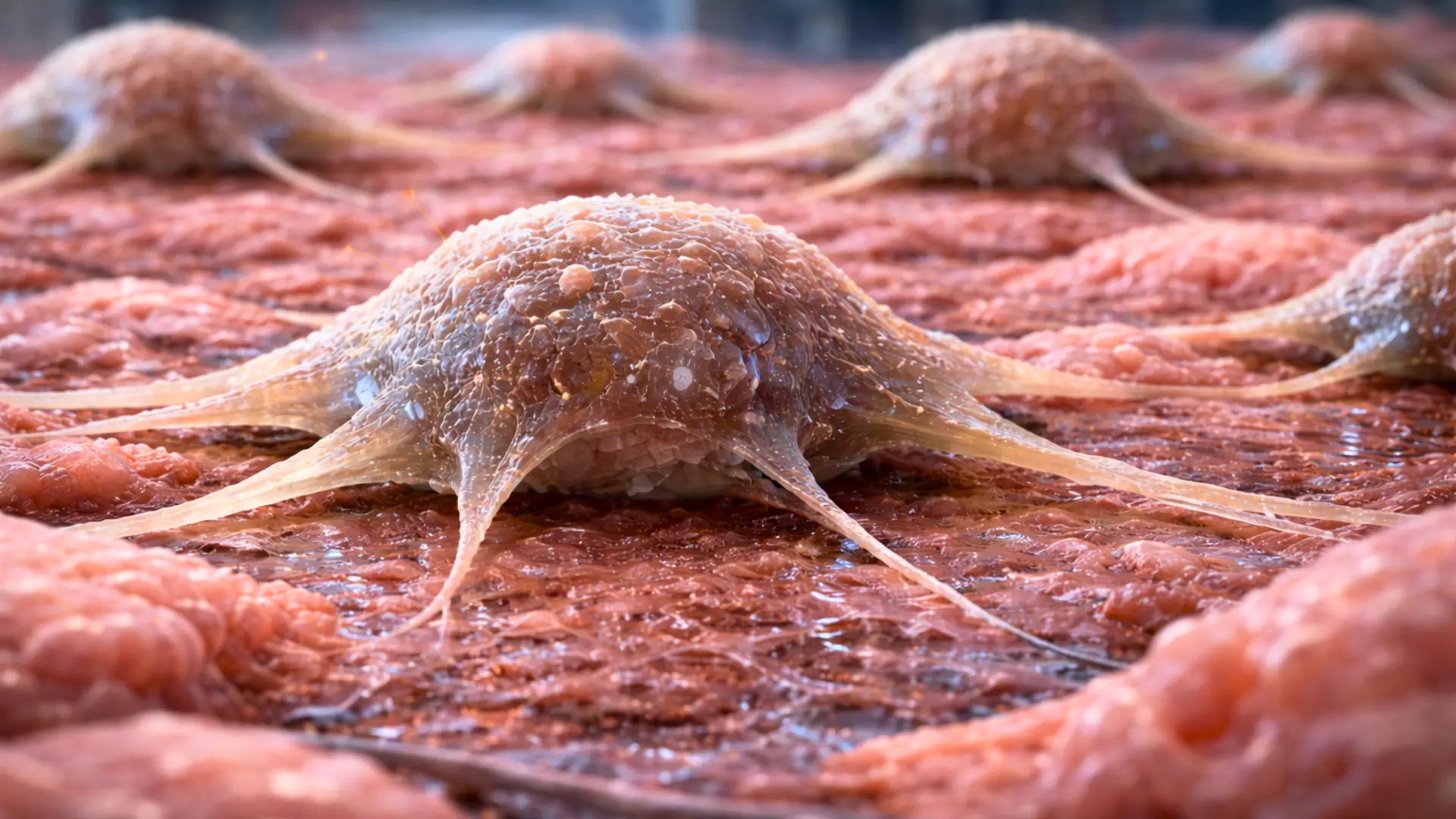
A significant breakthrough from the University of Cambridge has unveiled that the spread of cancer relies on a universal biological mechanism. This discovery shakes the foundations of scientific understanding and opens new avenues for curbing metastasis and repairing damaged tissues.
Understanding how cancer cells exploit a natural cellular migration mechanism
The spread of cancer cells has intrigued and alarmed scientists for decades, yet it remains poorly understood. Once perceived as a peculiar quirk of tumors, metastasis is now viewed through a different lens thanks to groundbreaking research at the University of Cambridge. This research indicates that metastasis is grounded in biological mechanisms already found in healthy cells.
This biological process typically allows certain cells to move within the body, playing a crucial role in tissue repair. However, a study published in Nature Genetics reveals an unexpected twist: cancer cells hijack this system to their benefit. This insight calls into question the traditional notion that metastasis is solely driven by mutations.
The vital role of the NALCN channel in regulating ion flow and cellular movement
Central to this discovery is the NALCN ion channel, a protein that manages sodium exchange across cell membranes. While primarily located in the nervous system, it is also active in other tissues, where it plays a crucial role in maintaining cellular balance.
Experiments conducted on mice revealed surprising effects. Disruption of this channel alters cellular behavior, and when its activity is blocked, the cells gain an enhanced ability to move. This increase in mobility directly contributes to the formation of metastases in various cancers.
Even more surprisingly, this phenomenon is not limited to malignant cells. Healthy cells deprived of NALCN exhibit altered behavior, migrating toward other organs. This points to a previously underestimated latent biological program present in the body.
Animal model experiments demonstrate cellular migration beyond cancer
Researchers observed a remarkable phenomenon in animal models devoid of cancer. By blocking the NALCN channel’s function, certain cells changed their trajectories, exiting their original organs to establish themselves elsewhere and adopting new functions suited to their new environments.
For instance, pancreatic cells migrated to the kidneys and engaged in local functions. This finding is striking, suggesting that the body possesses an unexpected capability for cellular redistribution, allowing it to reorganize cellular resources according to need.
Such observations pave the way for promising avenues in regenerative medicine. Understanding and controlling this mechanism could enable the repair of damaged organs and mobilize cells across the body.
Toward new therapeutic strategies to block metastasis and repair organs
This discovery profoundly shifts therapeutic approaches. The fight against metastasis is no longer solely a genetic battle. Instead, it can target the fundamental mechanisms of cellular migration, opening up fresh methods to prevent cancer’s spread.
Researchers are already exploring practical applications, including the use of existing medications that could modulate NALCN activity. This could lead to treatments aimed at restricting tumor dissemination more effectively.
Beyond cancer, the implications are vast. With proper mastery of this process, medicine could stimulate the natural regeneration of organs. Thus, a foundational discovery may become a revolutionary therapeutic breakthrough.