Exploring the depths of the Caribbean Sea near Trinidad and Tobago has unveiled a number of surprises for researchers, including about twenty species that might be new to science.
Abundant deep-sea life
Led by the teams from the Schmidt Ocean Institute aboard the research vessel Falkor, this recent expedition mapped over 11,000 square kilometers of the ocean floor. A total of 25 cold seeps, which release methane and hydrocarbons, were identified. These nutrients serve as a foundation for the chemosynthetic microorganisms that form the basis of these deep-sea ecosystems.
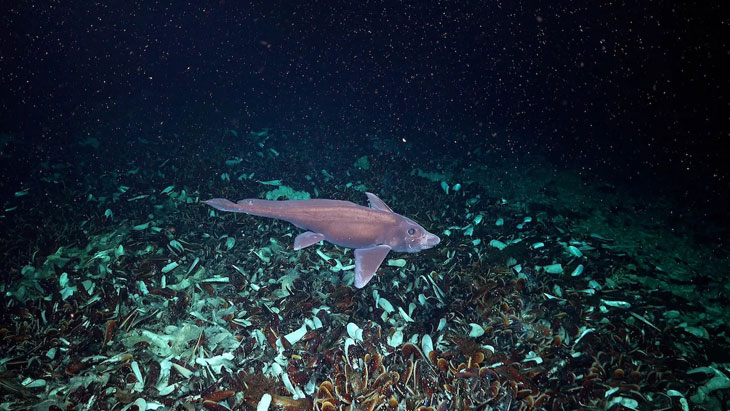
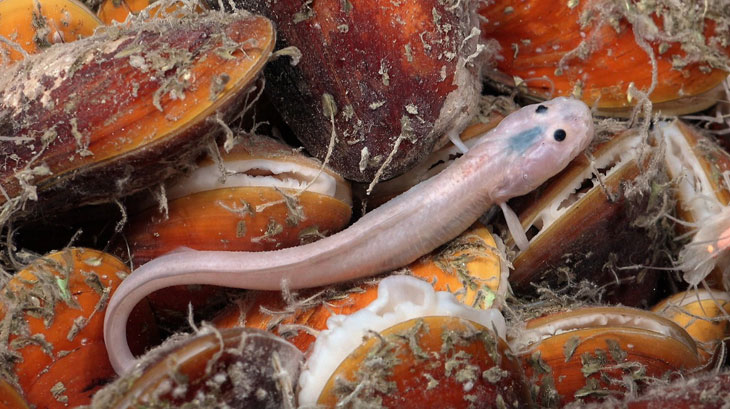
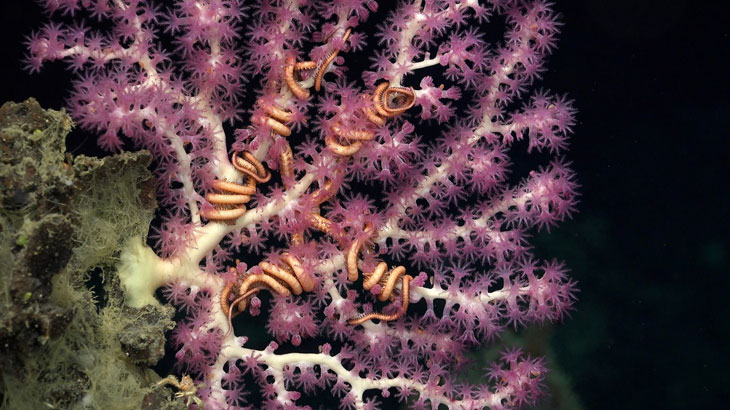
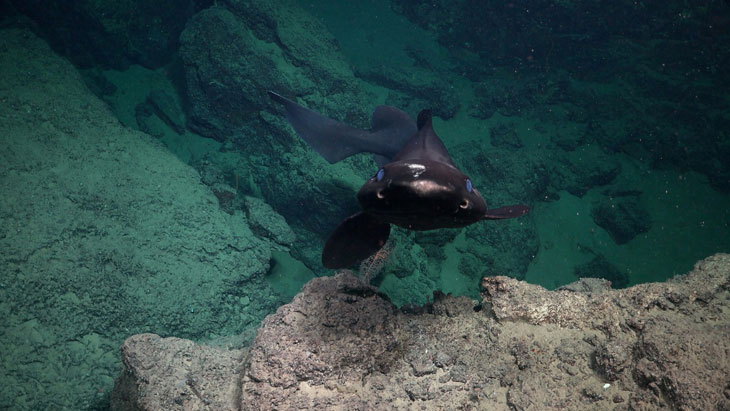
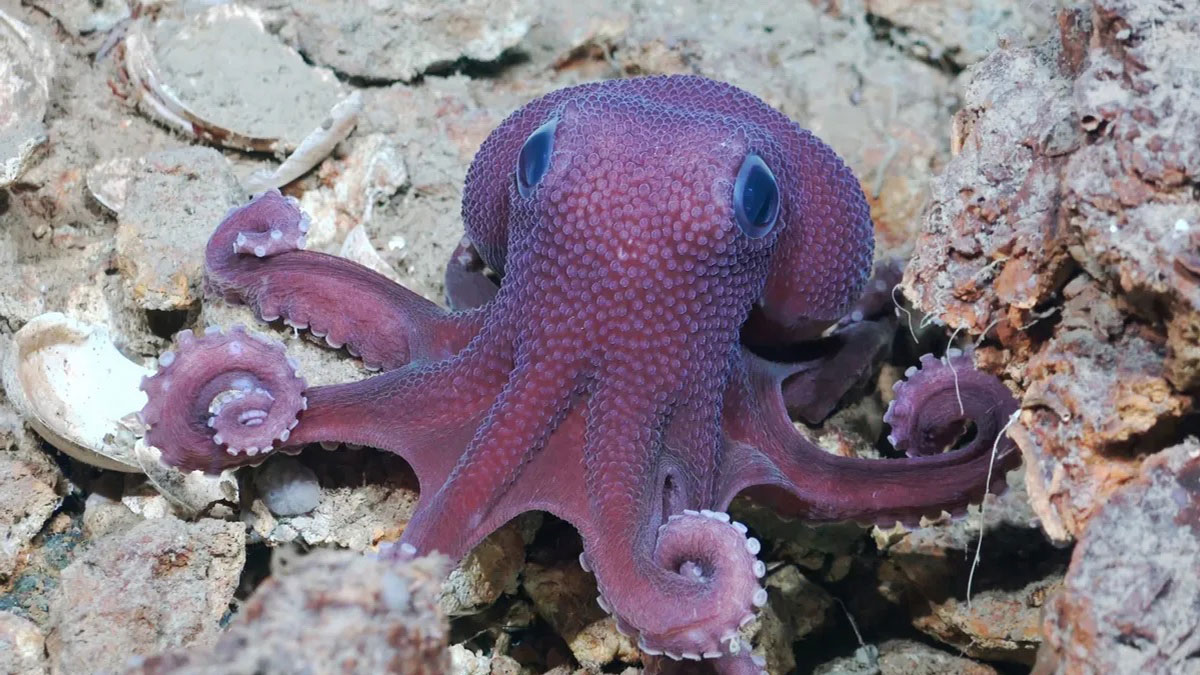
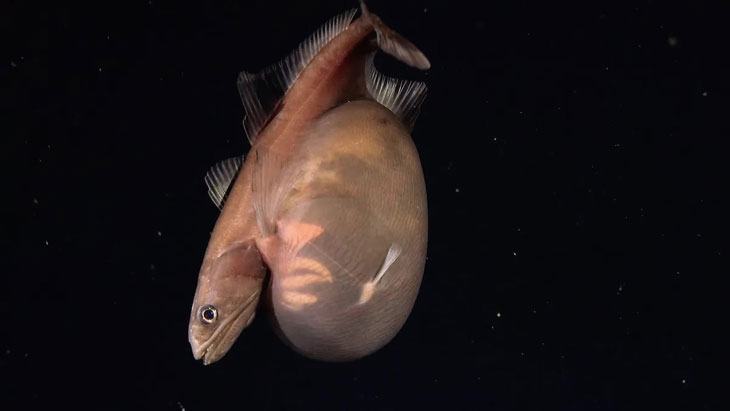
Among the intriguing creatures discovered in these waters is a charming violet octopus from the genus Graneledone, first seen in 2014, along with a ghost shark, a gulper eel, and several coral species, carnivorous sponges, and galatheid crustaceans that had never been observed before.
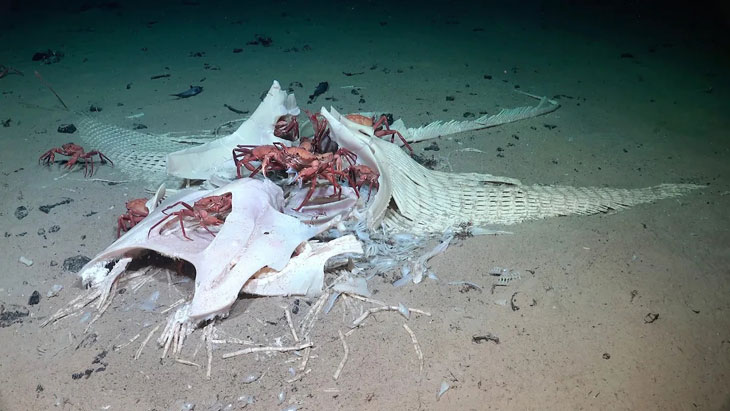
Another unexpected find was the carcass of a mobula ray, resting at a depth of over 1,000 meters. This remains a valuable nutrient source for various deep-sea crustaceans, worms, and other animals. While feeding on the remains of large marine animals is well-documented, such instances for cartilaginous fish remains are exceedingly rare.
“This is the first deep-sea expedition conducted locally in the history of Trinidad and Tobago,” notes researcher Diva Amon. “Every new discovery, whether an ecosystem, a species, or animal behavior is crucial for preserving this largely unknown biodiversity.”
Hundreds of samples collected and cryopreserved
Meanwhile, the remotely operated submersible SuBastian collected around 700 specimens, with their tissues preserved using a new cryopreservation technique. Currently housed at the University of Saint Augustine, these specimens contribute to the first “frozen zoo” of the Caribbean.
“By cryopreserving the tissues of over 86 species of sponges, corals, and sea cucumbers from the deep sea, we are safeguarding invaluable biological resources to understand future changes in Caribbean ecosystems,” concludes Megan Conkling from Florida Atlantic University.
Earlier this year, SuBastian filmed for the first time a strange ghost fish in the depths of the Atlantic Ocean.