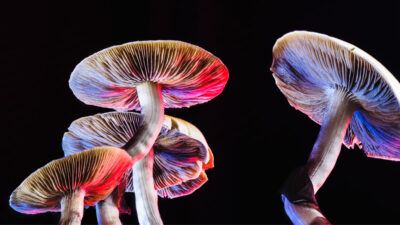
Did you know that mushrooms can produce a vitamin? Under regular conditions, mushrooms contain very little vitamin D because they grow in darkness. However, when exposed to ultraviolet light, a compound already present in their flesh is transformed into vitamin D2, a process supported by scientific studies.
Mushrooms lose nutritional value in the dark
The common mushroom, known scientifically as Agaricus bisporus, thrives in cool, dark, and humid environments. While these growing conditions help preserve the mushroom’s texture and yield, they come at a cost: the lack of light means a typical mushroom contains less than 1 microgram of vitamin D per 100 grams.
According to data from Public Health France, many adults living in metropolitan France have moderate deficiencies in vitamin D, and the nutritional reference for adults is set at 15 micrograms per day.
In this context, UV-treated mushrooms are not just a lab curiosity. They attract the attention of nutritionists, producers, and food industry professionals because they transform a commonplace food into a valuable plant-based source of vitamin D, all without altering the species or recipe.
Ergosterol is the key to understanding how light triggers biological change
The secret lies in a compound called ergosterol. This fat-like molecule, found in the membranes of mushrooms, reacts when exposed to ultraviolet rays. It converts into vitamin D2, also known as ergocalciferol, a form that our bodies can utilize.
This process is somewhat akin to how human skin produces vitamin D3 when exposed to UVB rays, which act on 7-dehydrocholesterol. While the starting materials differ, the fundamental principle is similar to exposing photographic film to light.
Sunlight or UV lamps: dosage matters
Research compiled in journals such as Nutrients shows that vitamin D production in mushrooms is influenced by the dose and duration of UV exposure, the species of mushroom, and the area exposed. White mushrooms treated with UV light are noted by the USDA as significant sources of vitamin D.
However, results can vary significantly based on conditions. A controlled lamp, summer sunlight, or light filtering through a window won’t yield the same amount of vitamin D. Therefore, mushrooms treated in a factory setting provide more reliable vitamin D content than those exposed to sunlight on a windowsill.
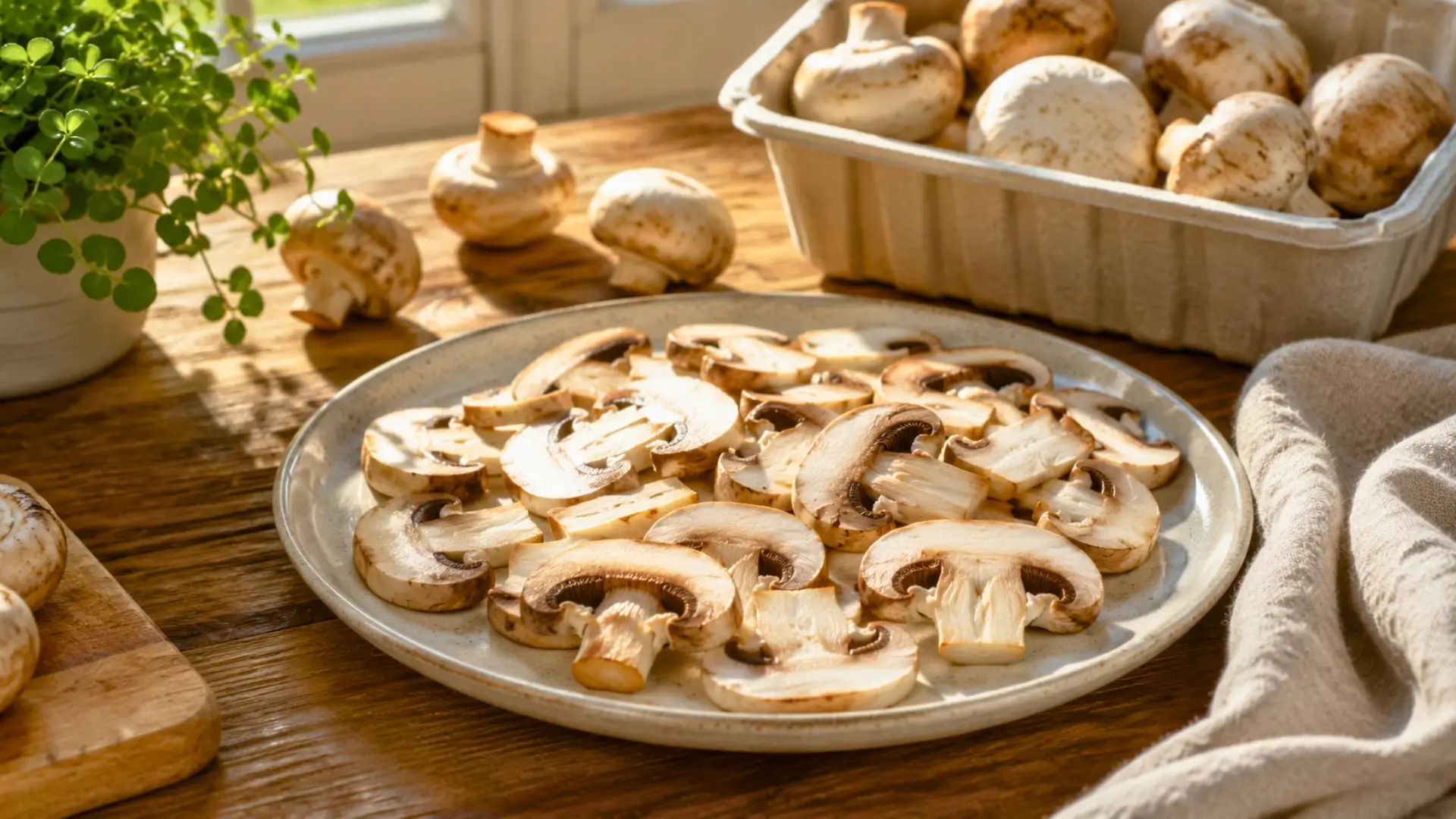
The most commonly recommended method is straightforward: slice the mushrooms and place them in sunlight before cooking. This increases the surface area exposed to light, particularly on the gills. Exposing them for 30 to 60 minutes can produce beneficial results, depending on the sunlight intensity.
UV-exposed mushrooms change our understanding of vitamin D on our plates
Labels that mention vitamin D, are rich in vitamin D, or indicate UV exposure refer to this specific treatment. They do not imply that a vitamin was artificially added; rather, light triggers an internal transformation that was already possible in the mushrooms.
This topic extends beyond the kitchen, as vitamin D is also influenced by sun exposure, seasonal changes, and lifestyle habits. While UV-exposed mushrooms cannot substitute for medical advice, they offer an alternative source of vitamin D, especially for those who do not consume fatty fish.
Another advantage is the relative stability of this vitamin. Research indicates that vitamin D2 remains well-preserved after storage and cooking, although losses can vary depending on the conditions. Thus, a stir-fry made from 100 grams of these mushrooms retains a measurable amount of the vitamin gained through UV exposure.