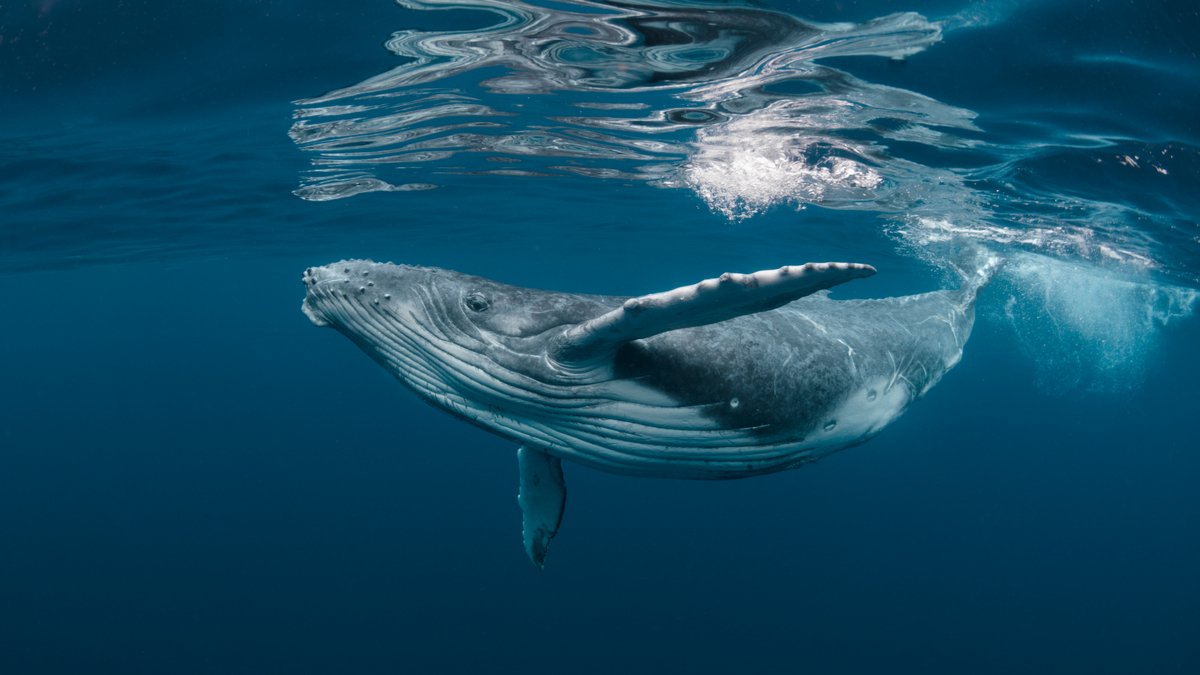
Weighing up to 40 tons, humpback whales are renowned for consuming astounding amounts of food every day. Recently, researchers have observed a fascinating nocturnal hunting strategy among these majestic creatures.
Teamwork enhances hunting success
While studying a group of Megaptera novaeangliae off the coast of Massachusetts, researchers led by David Wiley noted that the whales emitted a dual vocalization when close to the ocean floor in low-light conditions. This behavior suggested they were coordinating their movements.
Curious about this vocal pattern, the team employed camera-equipped tags to track the whales’ movements and social interactions. The analysis unveiled a cooperative hunting technique reminiscent of the clever tactics of velociraptors from Jurassic Park.
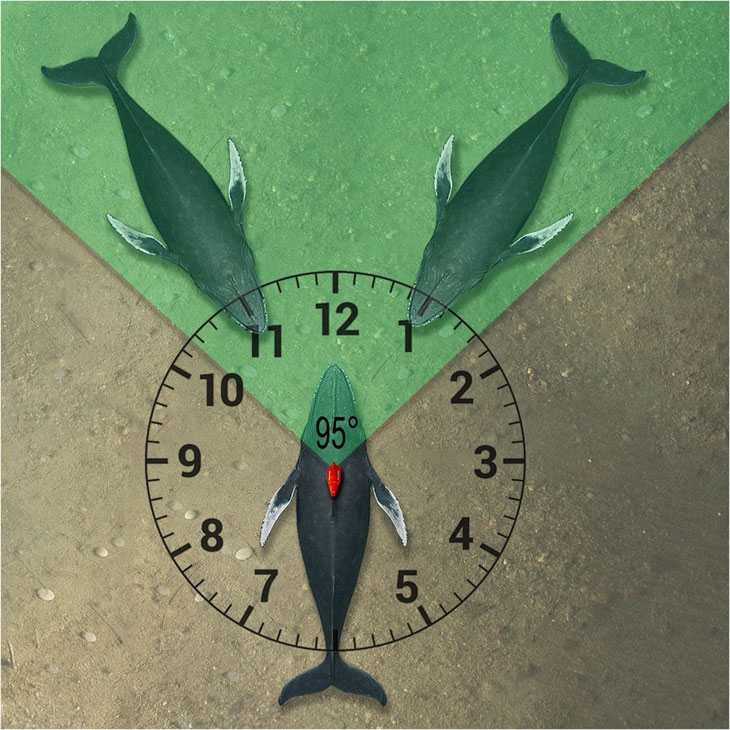
As one whale navigated the sandy bottom to unearth buried prey, two others positioned themselves at strategic angles, opening their mouths to capture escaping fish as the forager drove them away.
Out of 110 documented benthic hunting episodes, a remarkable 79% involved close collaboration within groups of three or four whales, underscoring the highly social nature and remarkable cognitive abilities of these marine mammals.
A smarter way to feed
The researchers suggest that this strategy may be a response to prey scarcity or a means to maximize food intake while minimizing energy expenditure during hunting activities.
However, Wiley reminds us that such clever tactics may expose these whales to risks, particularly from fishing gear scattered across the ocean floor, such as traps and gillnets that are reportedly widespread.
“Gaining a better understanding of these unique behaviors will help inform our conservation strategies,” the authors of the recent study conclude, highlighting the broader implications of their findings for marine conservation.
Two years ago, humpback whales entered an exclusive list of animals known to use hunting tools, employing what are known as bubble nets to aid in their foraging efforts.