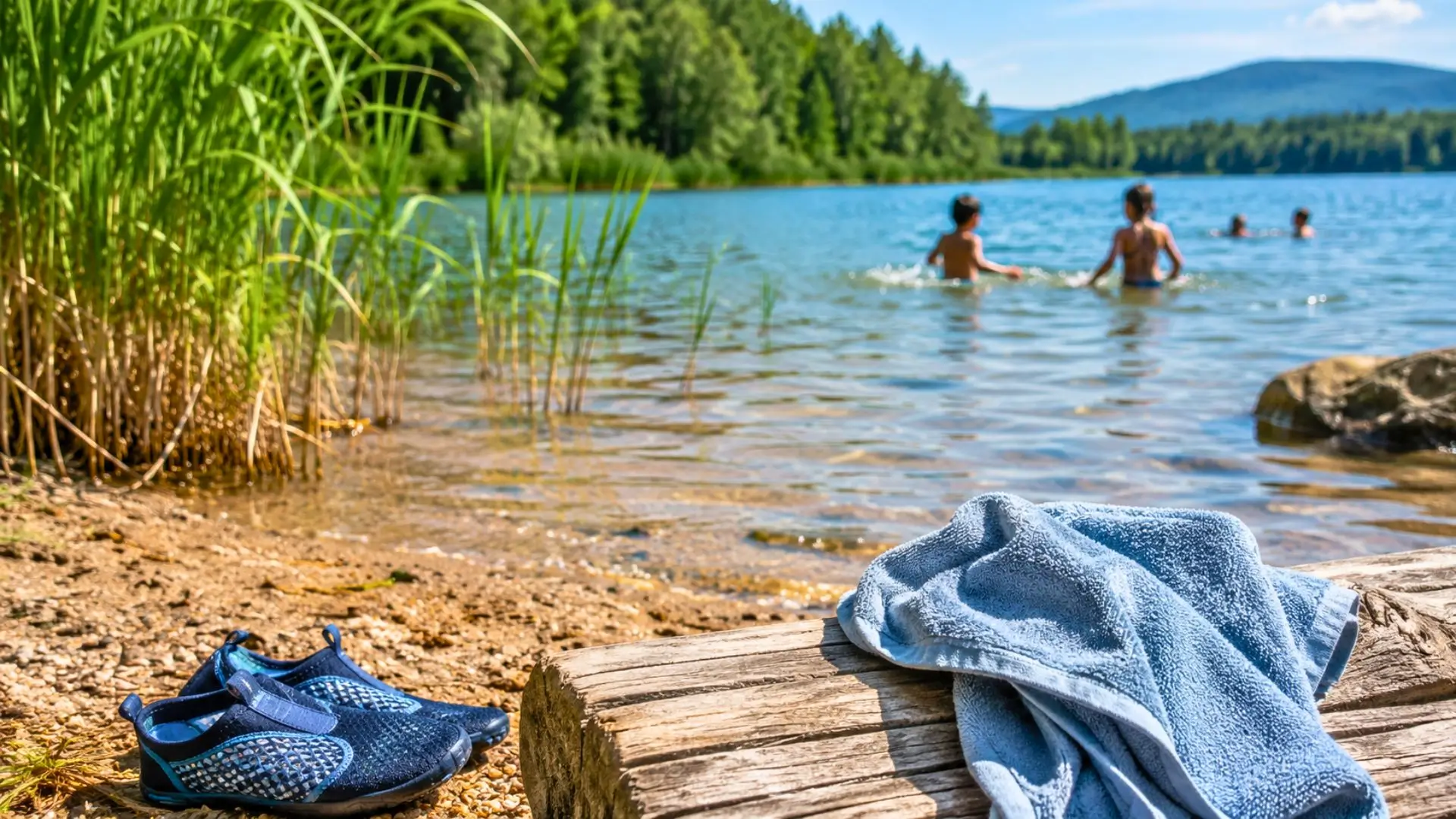
As summer heats up, lakes become popular spots for swimming, but lurking in the water is a microscopic parasite that can cause discomfort. Knowing how this organism operates can help you protect your skin from itching.
Understanding cercarial dermatitis, a skin condition disrupting lake swims
The skin reaction commonly referred to as duck itch is scientifically known as cercarial dermatitis. This condition arises from tiny larvae, called cercariae, that develop in freshwater snails. These parasites are released in large numbers as water temperatures rise with the sun.
These organisms typically target birds, such as swans, for attachment. However, they may mistakenly latch onto humans. While these parasites die quickly without causing serious illness, their entry into the skin can trigger red patches and intense itching.
Why staying still at the water’s edge is the biggest mistake to avoid this summer
To prevent this discomfort, it’s essential to change the common habit of lounging at lake beaches. Health professionals recommend avoiding prolonged wading. Remaining stationary in shallow waters increases the risk of contamination significantly.
The shorelines harbor a high concentration of these organisms. Lingering in just a few inches of warm water exposes your legs to considerable risk. In contrast, swimming in deeper, more active waters is much safer.
A simple adjustment in behavior can significantly lower your risk. Rapidly immersing yourself in deeper waters effectively protects your body. This straightforward reflex allows you to enjoy the refreshing lake waters worry-free.
The role of vegetation and sunlight in the proliferation of freshwater parasites
The edges of water bodies provide perfect conditions for larval development. Snails housing these parasites thrive among reeds and grasses, where they find essential food resources.
Moreover, the lack of current in these shallow areas leads to rapid temperature increases. Sunlight creates stagnant heat, prompting the larvae to emerge and turning the vegetation into contamination hotspots.
How to protect children and apply proper friction techniques after swimming
Children are among the most vulnerable to this summer affliction. Their favorite activities often take place in shallow waters, where they build sandcastles. In addition, their delicate skin reacts strongly to bites.
Simple measures can be taken after bathing to minimize risks. First, avoiding feeding birds prevents parasite attachment. Furthermore, taking a quick rinse under a clean shower removes many surface germs.
Finally, the most effective action is to vigorously rub oneself with a dry towel immediately after exiting the water. The larvae often linger briefly on the skin’s surface. This mechanical friction helps eliminate them before any bites occur.