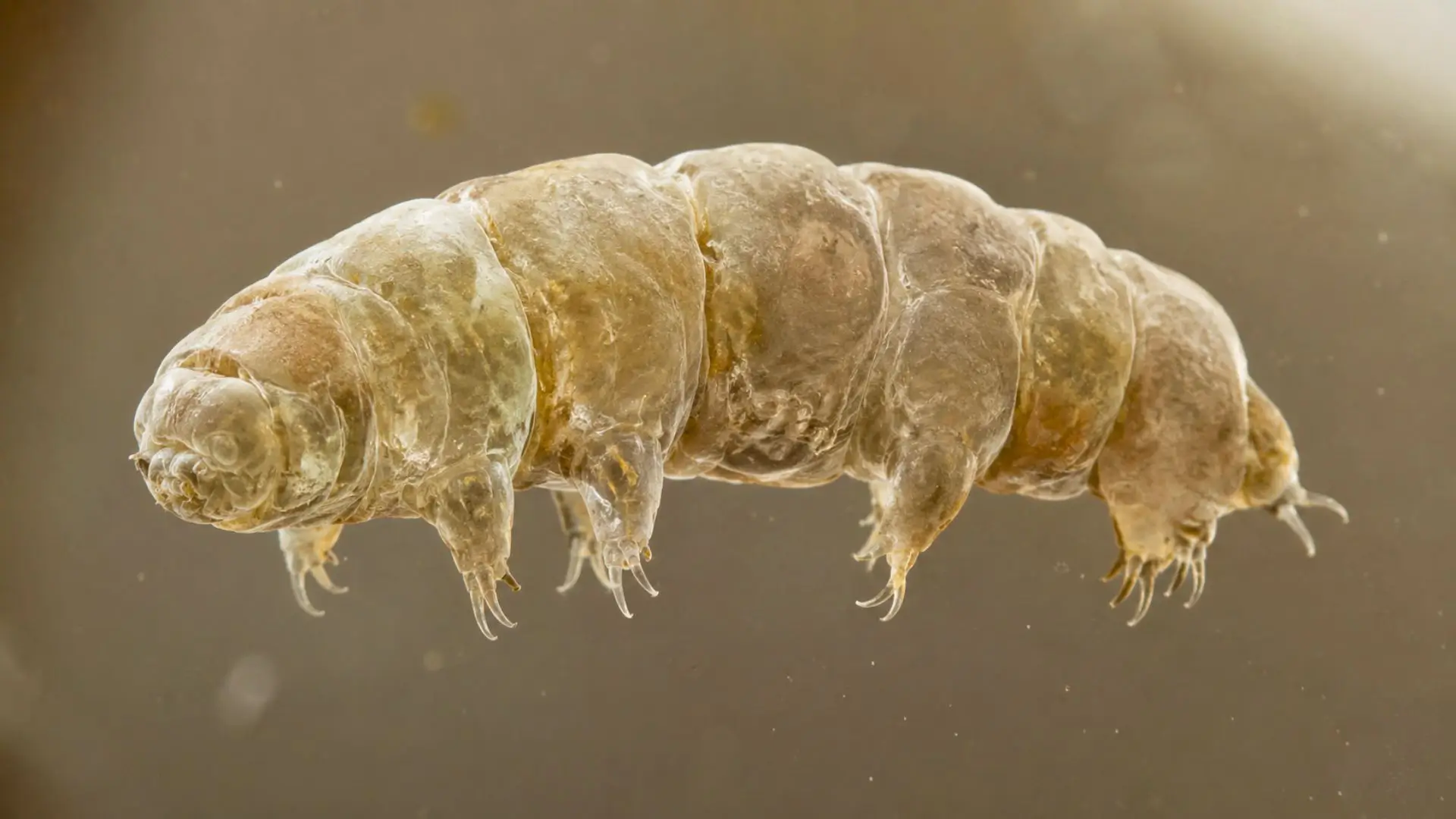
A tiny animal is paving the way for innovative biomedical trials. The Dsup protein, derived from the tardigrade, shows promise in minimizing X-ray damage in human cells. The Massachusetts Institute of Technology is now testing a shortened version in mice, adhering to a straightforward principle: protect healthy tissue while leaving tumors vulnerable.
Tardigrades provide a pathway to reducing DNA damage
Typically measuring less than 1 millimeter, tardigrades are fascinating micro-critters known for their remarkable resistance to extreme conditions. Certain species can endure radiation levels reaching 5,700 grays, vastly surpassing the 4 grays that can be lethal to humans.
This stark resistance does not simply mean that we can replicate the capabilities of these creatures. Instead, it highlights a biological defense mechanism worth studying. Tardigrades can enter a state called cryptobiosis, allowing them to withstand harsh conditions patiently. The Dsup protein operates closer to the genetic material itself.
Dsup wraps around the DNA double helix
The term Dsup stands for “Damage Suppressor.” This protein attaches to chromatin, which is DNA along with its associated proteins, acting almost like a soft protective cover around a fragile cable.
In 2016, researchers led by Takuma Hashimoto at the University of Tokyo published findings in Nature Communications showing that human cells modified to produce Dsup experienced approximately 40 percent less damage after exposure to X-rays.
Understanding why this is significant requires a look at how ionizing radiation operates. It ejects electrons from the molecules it encounters, which can lead to DNA breaks or the formation of reactive hydroxyl radicals. Dsup appears to cushion some of that impact.
MIT explores brief use of mRNA before radiotherapy
The MIT approach avoids making permanent genetic modifications. Messenger RNA (mRNA) serves as a temporary blueprint for protein synthesis, which degrades after use. In this instance, nanoparticles deliver the mRNA to targeted areas.
Professor Giovanni Traverso’s team injected these particles into the cheek or rectum of mice prior to radiation exposure. The results showed a remarkable reduction of 50 percent in double-strand breaks in the targeted tissues following a dose similar to that used in a typical radiotherapy session.
The challenge remains to dose local and reversible protection
Radiotherapy specifically targets the DNA in cancer cells. Therefore, an overly broad shield could complicate treatment. MIT has reported that the protective effect of Dsup remained concentrated near the injection site. This detail matters since treatment must still reach the tumor region effectively.
Thus, caution is warranted. A study published in 2023 indicated that Dsup might enter the nuclei of cortical neurons and promote neurotoxicity, which is harmful to nerve cells. This finding necessitates stringent testing for human applications.
Nonetheless, another result published in 2025 in Nature Communications suggests further potential. In the yeast Saccharomyces cerevisiae, Dsup reduced oxidative DNA damage and extended lifespan under chronic stress. For now, Dsup remains an important research tool.