In studying a remarkable species of sea cucumber, scientists have found that its tissues can survive for nearly three years after removal, raising intriguing possibilities for human tissue regeneration.
A remarkable sea cucumber
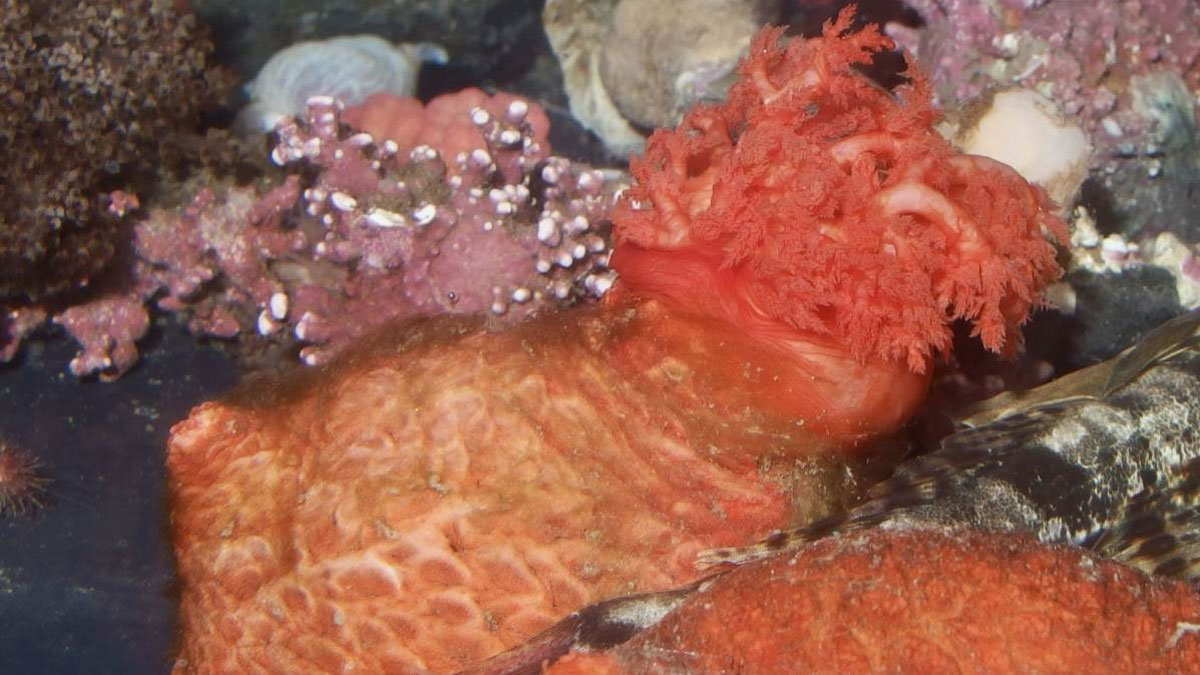
Native to the cold waters of the Arctic and North Atlantic, the scarlet cucumber (Psolus fabricii) plays a vital ecological role by recycling organic material that sinks to the ocean floor. As a member of the echinoderm phylum, this species shares some regenerative abilities with starfish and sea urchins, along with a limited cellular aging process.
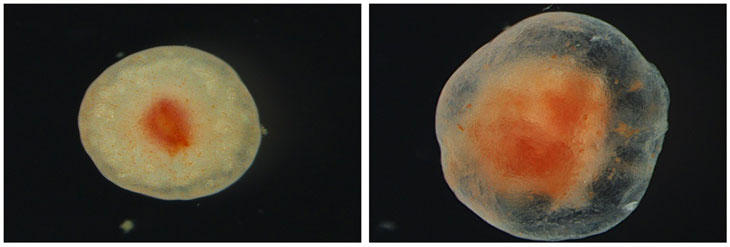
While researchers previously believed that detached tissues from this creature would eventually decompose, a team observed surprising growth in a segment of its tubular foot weeks after it was severed. Long-term experiments with three specimens have shed light on the underlying mechanisms.
“We are observing astonishing cellular growth and diversification, literally years after the tissue was taken,” says Rachel Sipler, the lead author of the study published in the journal Science Advances. “It raises questions akin to whether a lizard’s tail could regrow a whole new lizard.”
Potential implications for human tissue regeneration
These findings complement decades of research into so-called “immortal” cell lines that can be cultured indefinitely in lab settings. Traditionally, maintaining tissue viability requires complex conditions, but the reorganization, immune activity, and development of samples taken from P. fabricii indicate that its cells absorbed dissolved amino acids from seawater directly.
“This is probably the least ‘clean’ environment we could use for experimental purposes,” notes Sipler. “The rich bacterial and organic matter environment actually nourished the cells, enabling the tissue to heal and grow.”
According to researchers, this extraordinary resilience mirrors that seen in well-known organisms such as axolotls and the immortal jellyfish Turritopsis dohrnii, hinting at new pathways for enhancing regeneration and healing in human tissues.