A discrete vote, a few technical figures, yet a significant public health issue. In France, a heavy metal classified as a known carcinogen is infiltrating the soil, rising through crops, and ultimately ending up on our plates. This time, the regulations may change much more rapidly than anticipated.
A vote in the Assembly accelerates the reduction of cadmium limits
On June 3, 2026, the National Assembly adopted, on first reading, an environmentally focused bill that has the potential to reshape agricultural pollution regulations. One striking figure emerges from this highly technical debate: the maximum permitted concentration of cadmium in phosphate fertilizers could drop from 90 mg/kg of P2O5 today to 40 mg/kg by 2027.
Following this, a second shock awaits, previously deemed improbable. The bill sets a cap of 20 mg/kg by 2030, the level recommended by health authorities to limit soil accumulation. Initially, the government supported a slower trajectory, but the deputies chose to accelerate the timeline due to significant public health concerns.
This legislative move is far from trivial. It highlights a political shift. For years, this issue was trapped between scientific expertise, administrative caution, and agricultural fears. Now, it has transferred from specialized reports to the public sphere. A prevailing idea emerges: what is currently spread onto fields can potentially pose problems for decades.
Cadmium builds up in the body and enters our food chain
Cadmium is silent, colorless, and doesn’t trigger immediate warnings, making it particularly insidious. Classified as a known carcinogen for humans, this heavy metal accumulates over time, with a half-life in the body that can extend for decades. Vulnerable areas, including the kidneys and bones, are well known to health agencies.
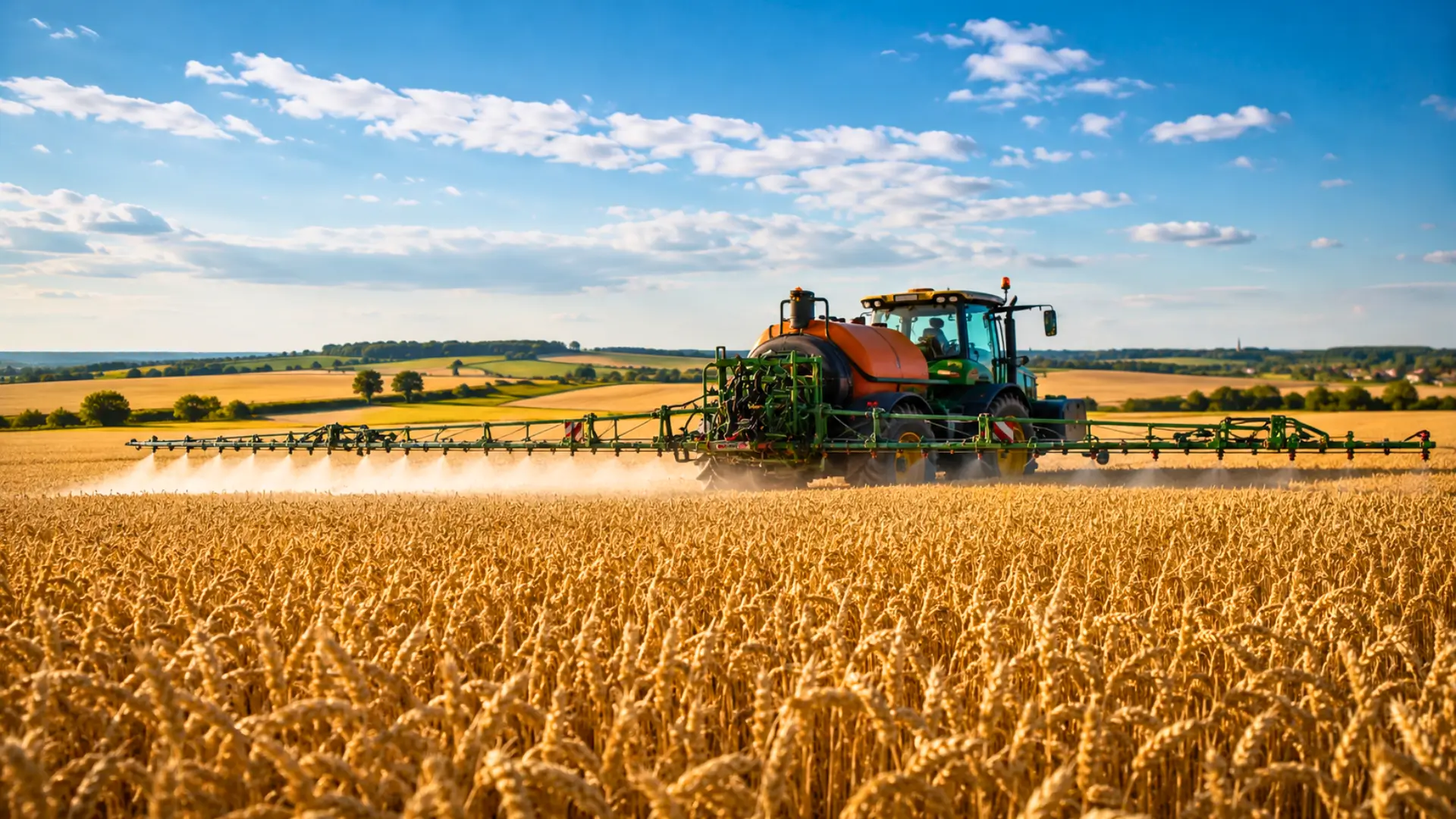
For non-smokers, food constitutes approximately 90 percent of exposure. This issue extends beyond the farming and chemical industries, impacting everyday life: bread, pasta, cereals, potatoes, and field vegetables are all potential carriers of cadmium. As soft wheat absorbs this metal more efficiently, an ordinary food chain silently becomes contaminated.
Phosphate imports entrenched these risks in our soil
France has historically maintained higher cadmium limits than the European Union, which is no mere bureaucratic coincidence. The country has significantly imported phosphates from North Africa, particularly Morocco, where certain rocks are naturally higher in cadmium. Over time, this reliance has shaped agricultural practices, cost structures, and aspects of France’s farming balance.
This impending reduction in allowable cadmium levels is contentious. Supporters argue it corrects a long-identified health anomaly, while critics fear disruption to agricultural supply chains and rising fertilizer costs. Ultimately, the debate draws a clear line between public health, food sovereignty, and changes in production models.
Stricter rules could redefine future agriculture
The most striking element of this situation may be the long-term nature of cadmium pollution. Unlike a simple dosing error, once cadmium accumulates in the soil, it can continue to migrate into crops year after year. This is why the proposed legislation is so sensitive: it aims to prevent a toxic legacy for future generations.
For several years, health authorities have called for source-level action, advocating for a threshold of 20 mg/kg aligned with a maximum input of 2 grams per hectare per year. The recent vote gives political strength to this recommendation. The focus now shifts away from merely the ingredients of fertilizers to the acceptable level of risk that society is willing to accept in its food supply.
The bill must now navigate the parliamentary process, and there are no guarantees that each step will be straightforward. Nevertheless, it is clear that cadmium is no longer just a niche issue for experts. When everyday items like a common baguette, a wheat field, or a potato become focal points in the discussion, the issue transcends abstraction. It becomes intimately personal.