Following the 1986 nuclear disaster, the Chernobyl region transformed into a haven for various animal species. Recent research has shed light on the impacts of Russian military presence in this exclusion zone during 2022.
Significant changes observed in multiple species
The Russian army entered the exclusion zone on February 24, 2022, coinciding with the onset of the invasion of Ukraine, and exited by the end of March 2022, allowing Ukrainian forces to regain control. Researchers utilized numerous camera traps set throughout the Chernobyl woods to assess how this unusual human activity affected local wildlife.
By correlating these images with daily reports from residents and personnel who remained active in the area during the occupation, Svitlana Kudrenko from the University of Freiburg and her team identified substantial behavioral changes among different species, with these changes intensifying over time.
The researchers notably recorded an increase in sightings of red deer, which began forming herds in open landscapes, while reports of roe deer -typically more solitary and fond of wooded environments -plummeted. Red deer exhibited markedly more daylight activity, likely spurred by the movements of troops and vehicles.
📢📰A #study on #wildlife in the #Chornobyl Exclusion Zone during the #RussianOccupation featured in @nytimes! This research is based on data collected as part our project. https://t.co/MEyrZbVQmT
– Polesia – Wilderness Without Borders (@wildpolesia) July 10, 2026
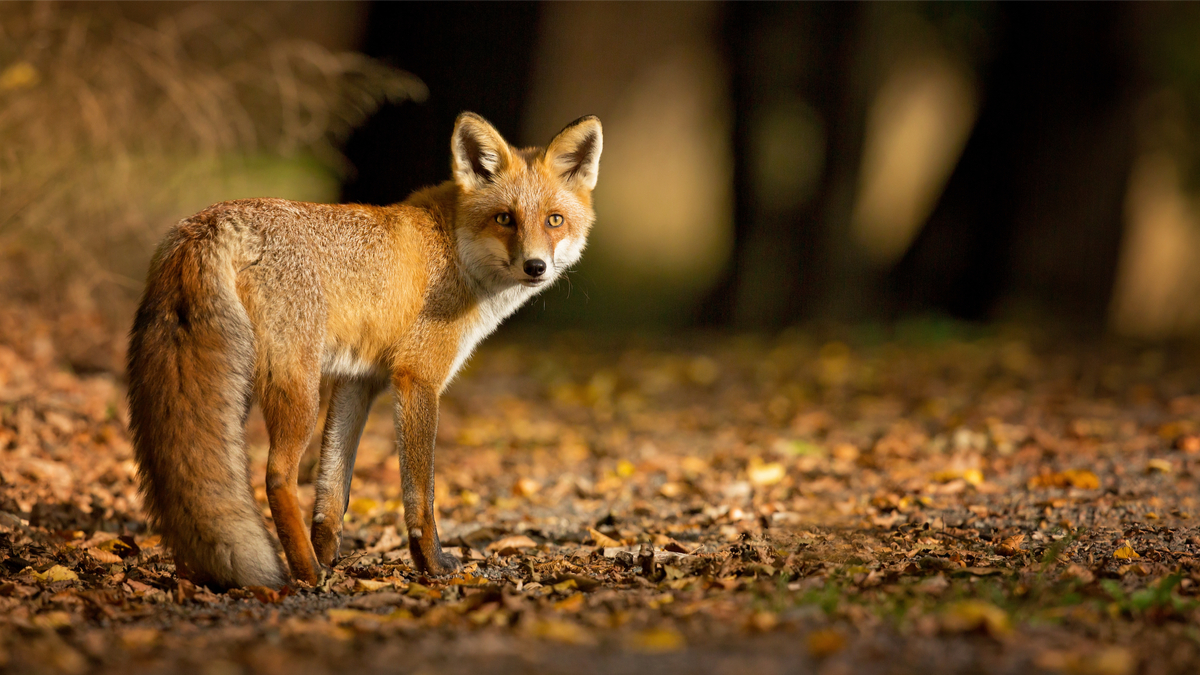
During the occupation, wild boars and raccoon dogs generally avoided areas where soldiers were stationed, whereas lynxes and foxes began to venture closer as Russian presence intensified, likely drawn by available food sources.
A concerning situation
According to the authors of the new study published in the journal Science, such observations occurring over a brief period highlight the profound impact humans can have on even the most pristine ecosystems.
This concern is amplified in the Chernobyl zone, known to host rare species like Przewalski’s horses.
Earlier this year, research on hundreds of stray dogs in Ukraine, living in both relatively war-affected and conflict-heavy areas, indicated that the latter group tended to exhibit smaller body sizes, pointier ears, and longer snouts. These traits resembled those found in wolves, suggesting a more “wild” phenotype.