The flames have faded, the sky has returned to blue, and the scent of smoke dissipates. But can we really breathe easy? After major wildfires, microscopic particles linger in the atmosphere, turning a seemingly calm landscape into an invisible trap.
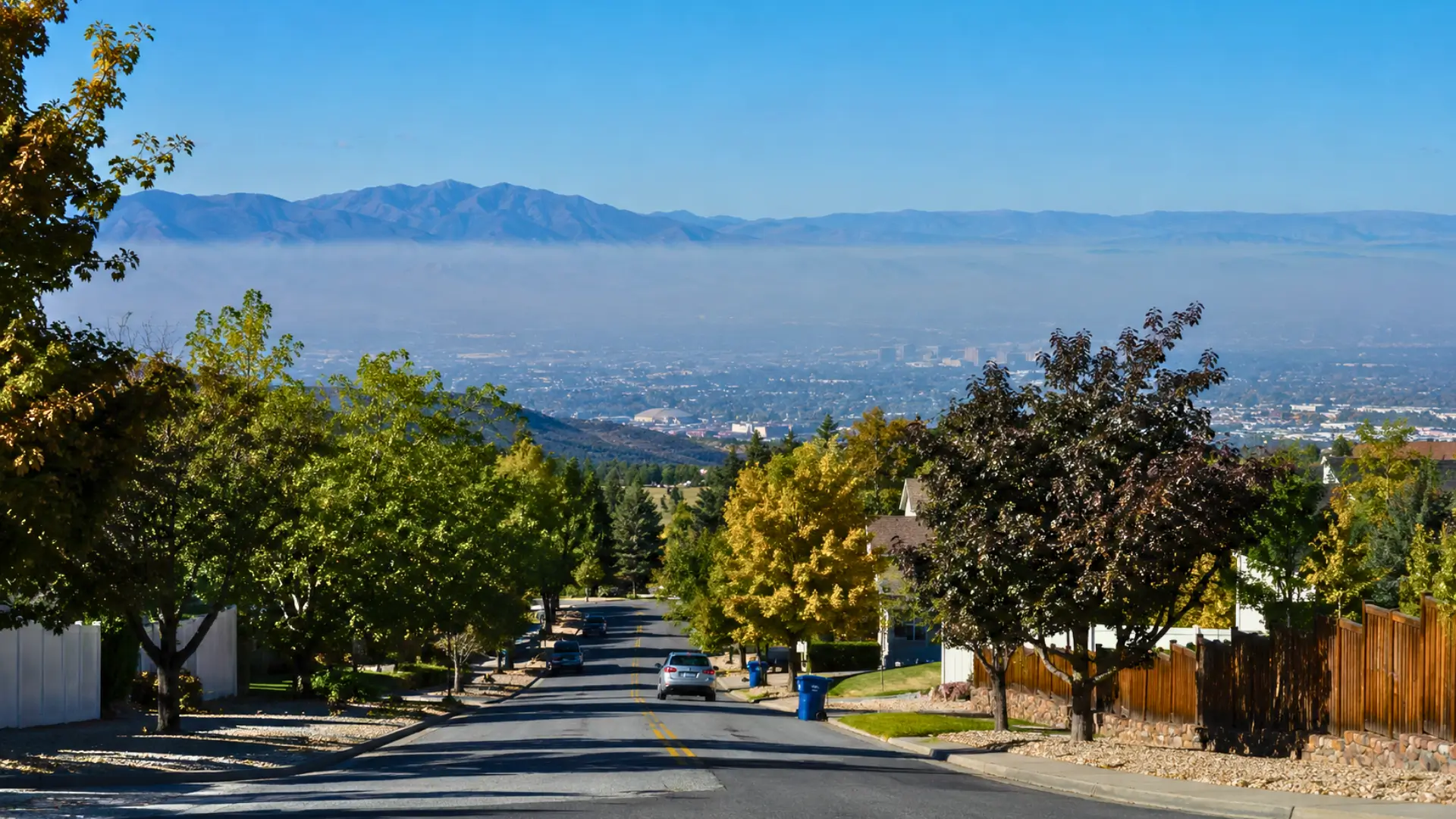
When the sky turns blue, sensors often tell a different story
A fire seems over when smoke clears from the horizon, but this can be a misleading perception. Fine particles from wildfires can linger or resurface, carried by air masses even far from the blaze. The EPA warns that smoke can result in exposure lasting hours, days, or even weeks during prolonged events.
This was notably evident in Minnesota in July 2026, where smoke from large wildfires in northern Minnesota and Canada led to air quality categorized as “dangerous for all.” Local environmental agencies cautioned that smoke could persist depending on wind, weather conditions, and fire intensity.
These microscopic dust particles cross barriers that visible smoke cannot
The primary concern is a seemingly innocuous term: PM2.5. These particles measure less than 2.5 micrometers in diameter, small enough to penetrate deeply into the respiratory system, and some can even enter the bloodstream. Thus, clear air does not guarantee good health.
Moreover, smoke contains more than just burnt wood particles. The World Health Organization identifies a mix of pollutants, including PM2.5, nitrogen dioxide, ozone, and polycyclic aromatic hydrocarbons. The presence of burning structures or vehicles further complicates the smoke’s composition.
This minuscule size contributes significantly to health issues. Exposure to smoke has been linked to irritations, respiratory difficulties, and worsening lung or cardiovascular diseases. The EPA notes that significant exposure can lead to hospitalizations, asthma attacks, heart attacks, or strokes. Vulnerable populations such as children, the elderly, pregnant women, and those with chronic illnesses are particularly at risk.
Smoke from Canada can reappear hundreds of miles from the fire
Wildfire smoke knows no borders. It rises into the atmosphere, encounters air currents, and can be transported hundreds or even thousands of miles. Thus, a city far removed from the flames can experience high pollution levels, even if residents see no fire on the horizon.
The phenomenon becomes even more perplexing when wind patterns shift. A cleaner air mass may temporarily disperse the pollution, only to be replaced by another plume. In Minnesota, authorities anticipated several successive waves of smoke in July 2026 until a cold front finally brought fresher air.
Breathing normally after a fire sometimes requires looking beyond the sky
The most effective reflex might be surprisingly simple: check the air quality index instead of relying solely on visual or olfactory cues. When concentrations rise, the EPA advises limiting outdoor physical activities and spending as much time indoors in filtered air as possible.
At home, effective filtration can help reduce exposure. The EPA suggests using systems designed for fine particles, such as MERV 13 filters, when possible. For unavoidable outdoor excursions during severe episodes, a properly fitted certified N95 respirator offers additional protection.
A less comfortable reality remains that research understands short-term exposure effects far better than the consequences of repeated exposure over the years. The WHO emphasizes the need for studies on long-term effects, especially in vulnerable populations. In the future, checking air quality after a wildfire may become as routine as checking the weather before heading outside.