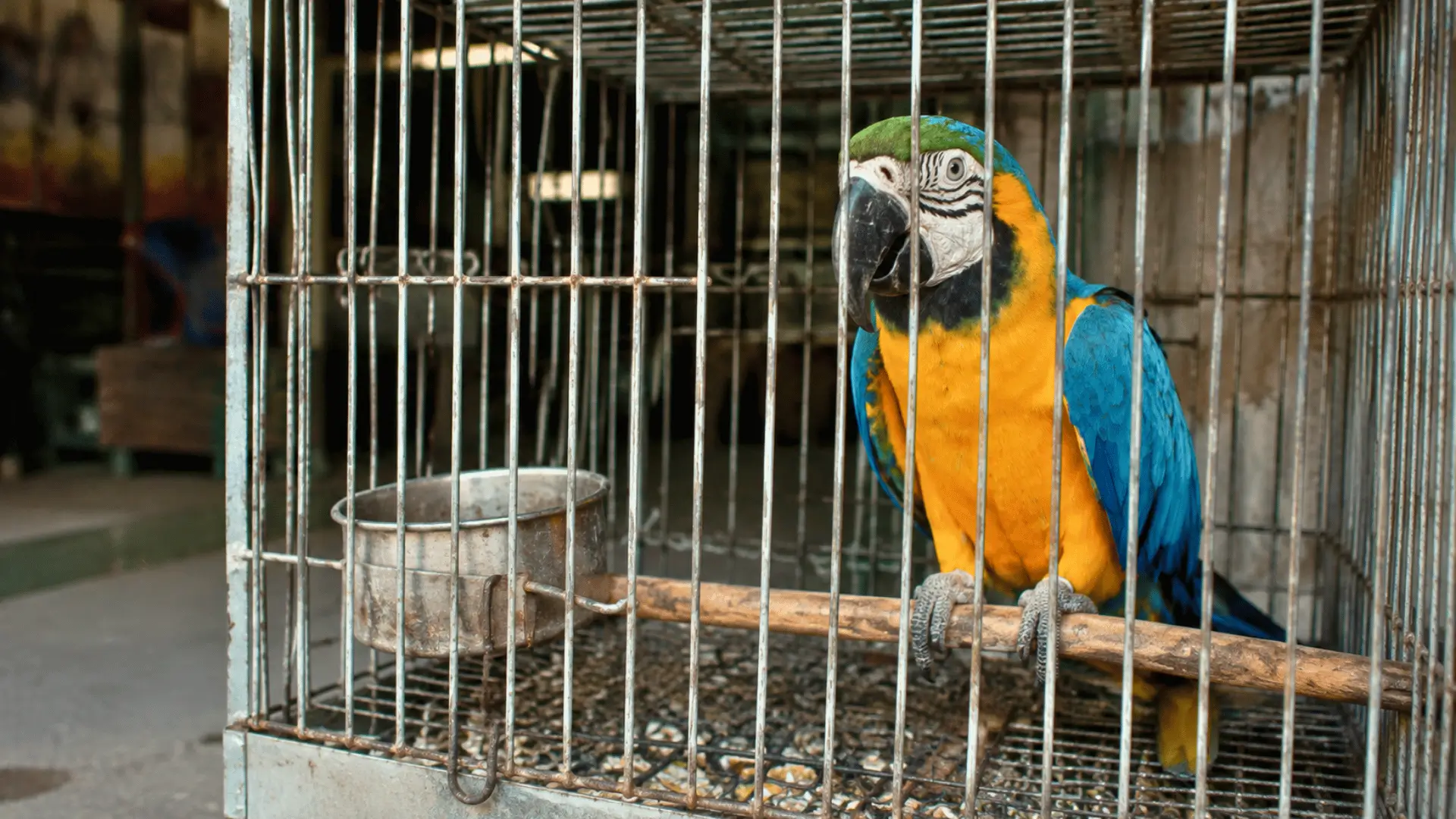
On social media, images of rare parrots or exotic turtles might seem harmless. However, behind some accounts lies a vast global market where algorithms, anonymity, and the speed of transactions provide traffickers with an almost borderless showcase.
When the black market moves from backrooms to our screens
In the past, wildlife trafficking was associated primarily with underground markets, inspected luggage at borders, or hidden cargo in ports. The landscape has shifted significantly. A portion of this trade now occurs on platforms frequented by millions of users daily. An ad can pop up between a vacation video and a cooking recipe.
A study published on August 24, 2026 in Nature Reviews Biodiversity paints a troubling picture. Researchers describe an illegal online trade that affects thousands of species, including animals, plants, and even fungi. Some of these species are already under threat, while others have not yet been monitored for this type of trafficking.
The internet also enables rapid changes. Sellers can reach new buyers, close accounts, or shift conversations easily. They sometimes operate from more discreet spaces. According to a team led by Enrico Di Minin, the anonymity and perceived low risk encourage these digital markets.
A heartwarming video can sometimes become the first showcase for illegal trade
This issue extends beyond ads displaying prices. A video featuring an exotic animal can spark curiosity and even create trends, gradually intensifying the desire to own such a creature. Research has explored this phenomenon on YouTube and other social media platforms.
In 2025, research conducted in Togo documented content related to the sale of wild animals on TikTok, some of which involved species protected by CITES. The digital space does not merely replace market stalls; it broadens the audience and presents a global clientele with what was once a local offering.
Behind certain ads lies a worldwide traffic with far-reaching consequences
The scale of global trafficking allows us to grasp its significance. In its 2024 report, the UNODC stated that seizures made between 2015 and 2021 involved around 4,000 species, recorded across 162 countries and territories. However, these seizures only reflect a fraction of actual transactions.
Each removed animal can disrupt ecological balances. A species that becomes rare may affect pollination, seed dispersal, and various food chains. The trade in live animals also raises animal welfare issues and can facilitate the spread of parasites or infectious agents.
The internet complicates the situation further. Transactions can begin on social media and progress through private messaging, ultimately culminating in international shipping. Researchers describe these as diffuse, transnational networks that sometimes complement the traditional smuggling routes.
To tackle this digital market, police cannot act alone
Solutions may require tools similar to those used by traffickers. Researchers are already testing artificial intelligence and image recognition technology to identify certain species or suspicious products. CITES is also developing electronic tools to enhance the traceability of permits and streamline inspections.
However, technology alone is insufficient. The 2026 study calls for collaboration between platforms, researchers, authorities, and local communities. Conservation organizations must also be involved. Each ad removed raises an important question: as long as the demand for rare animals remains high, how many new accounts will pop up to replace those that have just been shut down?