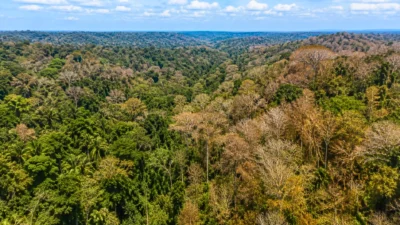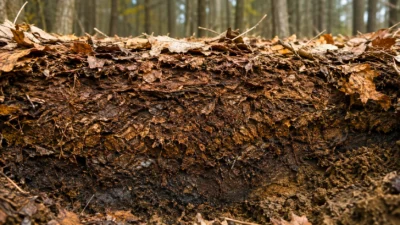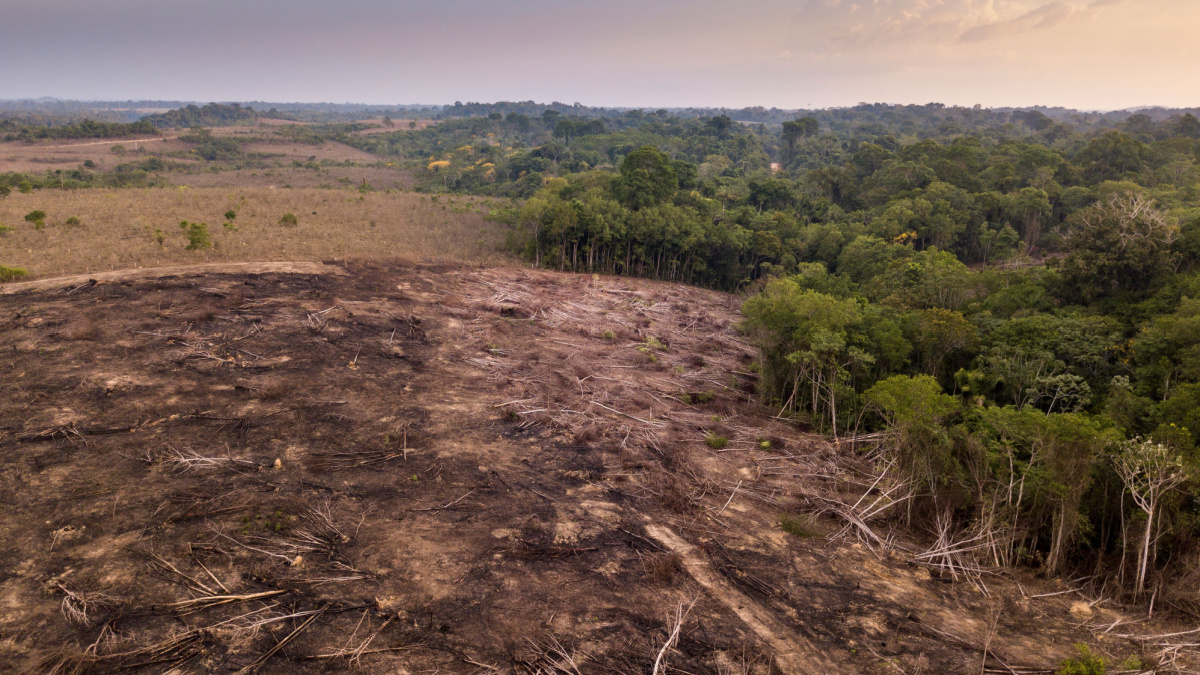
A developing El Niño phenomenon in the Pacific Ocean raises fears of devastating droughts and wildfires in the Amazon, a region already teetering on the brink of a climatic tipping point.
On the edge of collapse
The El Niño phenomenon is characterized by unusually high ocean surface temperatures in the tropical Pacific, accompanied by weakened trade winds along the equator. These disturbances disrupt global weather patterns, leading to drier conditions, especially along the coasts of South America.
The latest assessments indicate that the current El Niño event is poised to be the most intense recorded in modern history, threatening dire consequences for the Amazon region.
Often referred to as the planet’s lungs, the Amazon rainforest plays a vital role in carbon dioxide sequestration and supports an unmatched level of biodiversity. However, climate change has driven significant droughts across the region over the past decade. Research from Oxford University shows that between 2015 and 2016, extraordinary fires related to a notable El Niño wiped out 2.5 billion plants and released 495 million tons of CO2 into the atmosphere.
The El Niño phase now under way will be the most damaging on record for the Amazon, scientists warn, raising the risk of catastrophic wildfires https://t.co/311byBjuve
– New Scientist (@newscientist) September 7, 2026
Tim Li from the University of Hawaii reminds us that these increasingly severe and repeated episodes are pushing the Amazon closer to a tipping point, where lush tropical ecosystems may collapse, transforming into savanna-like environments.
A vicious cycle
Since June, rainfall levels in the Amazon have been unusually low, even though the El Niño phase is still in its early stages. Li notes, “The precipitation anomaly for the summer of 2026 is already more pronounced than during any previous significant events.”
Current forecasts suggest that this extreme precipitation anomaly will continue to worsen through January, coinciding with rising atmospheric temperatures.
Li explains, “Air temperatures in the Amazon are already significantly above normal, which, combined with the drought, creates a vicious cycle. A significant drop in rainfall leads to decreased humidity and evaporation, which in turn drives up temperatures.”
Several years ago, researchers successfully located the tallest tree in the Amazon, towering at 88.5 meters.