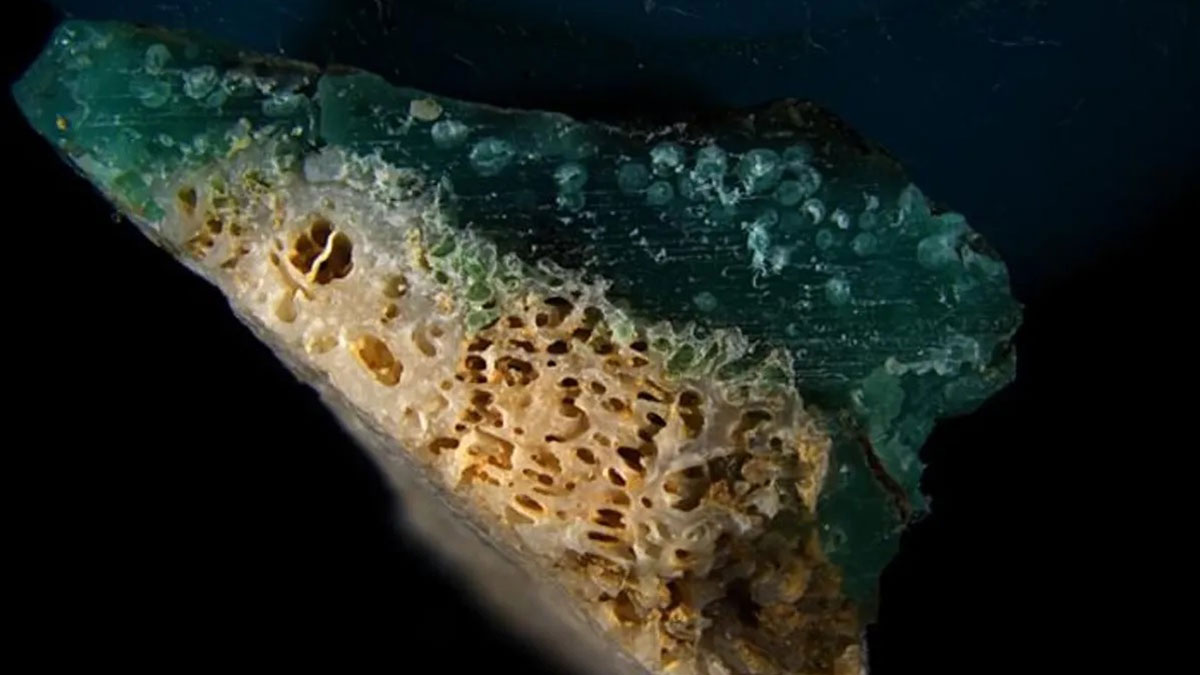
During a field study on Okinawa Island, researchers uncovered alarming evidence of plastic pollution: a phenomenon they dubbed “plasticorals.”
A new type of plastiglomerate
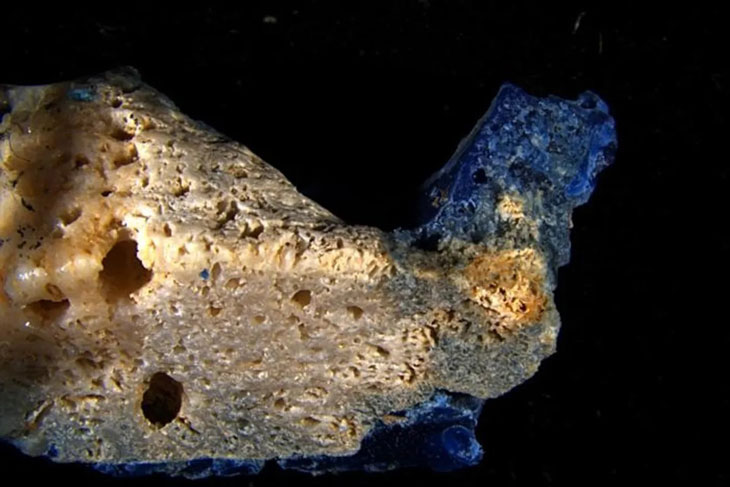
While investigating beach samples, researcher Ifenna Ilechukwu and his team discovered unusual patches on marine organisms. These patches were plastic fragments that had merged with the coral skeletons. This finding presents a new instance of “plastiglomerate,” which combines plastic particles with mineral or organic materials. In this case, it likely formed due to incinerated plastics along the coasts of Okinawa, which subsequently adhered to corals.
All identified examples were found on the coastline, but the authors of the study, published in the journal Marine Pollution Bulletin, remind us that coral fragments carried by the waves usually end up in the oceans. Here, they play a significant role in supporting local ecosystems, facilitating the growth of new corals and providing shelter for juvenile fish.
The ecological impact of these plasticorals on marine environments remains unclear. However, previous research has indicated that plastic particles leach chemicals into seawater, disrupting the growth, reproduction, and development of various organisms, including corals, mollusks, crustaceans, and certain fish.
Previous examples
There have been prior instances of plastiglomerates. In 2023, researchers from the Federal University of Paraná discovered “plastic rocks” linked to volcanic activity on an isolated Brazilian island. Further analysis revealed high-density polyethylene, suggesting these pollutants likely originated from fishing nets that had washed ashore.
That same year, various types of plastiglomerates were found on an island in the Java Sea. Among these were “plastic crusts,” where plastic covered coastal rocks, “plastigumdrops,” a viscous mixture of oil residues and microplastics lodged on rocks, and “pyroplastics,” similar to those found on Japanese beaches.
Earlier this year, Japanese researchers reported an extraordinary case involving a crab believed to have grown inside a plastic bottle.