Why do two regions under the same sun often experience different temperatures? A key part of the answer lies in the soil. When soil loses moisture, its natural cooling effect diminishes, leading to much more intense heat spikes.
The critical role of soil moisture in temperature regulation
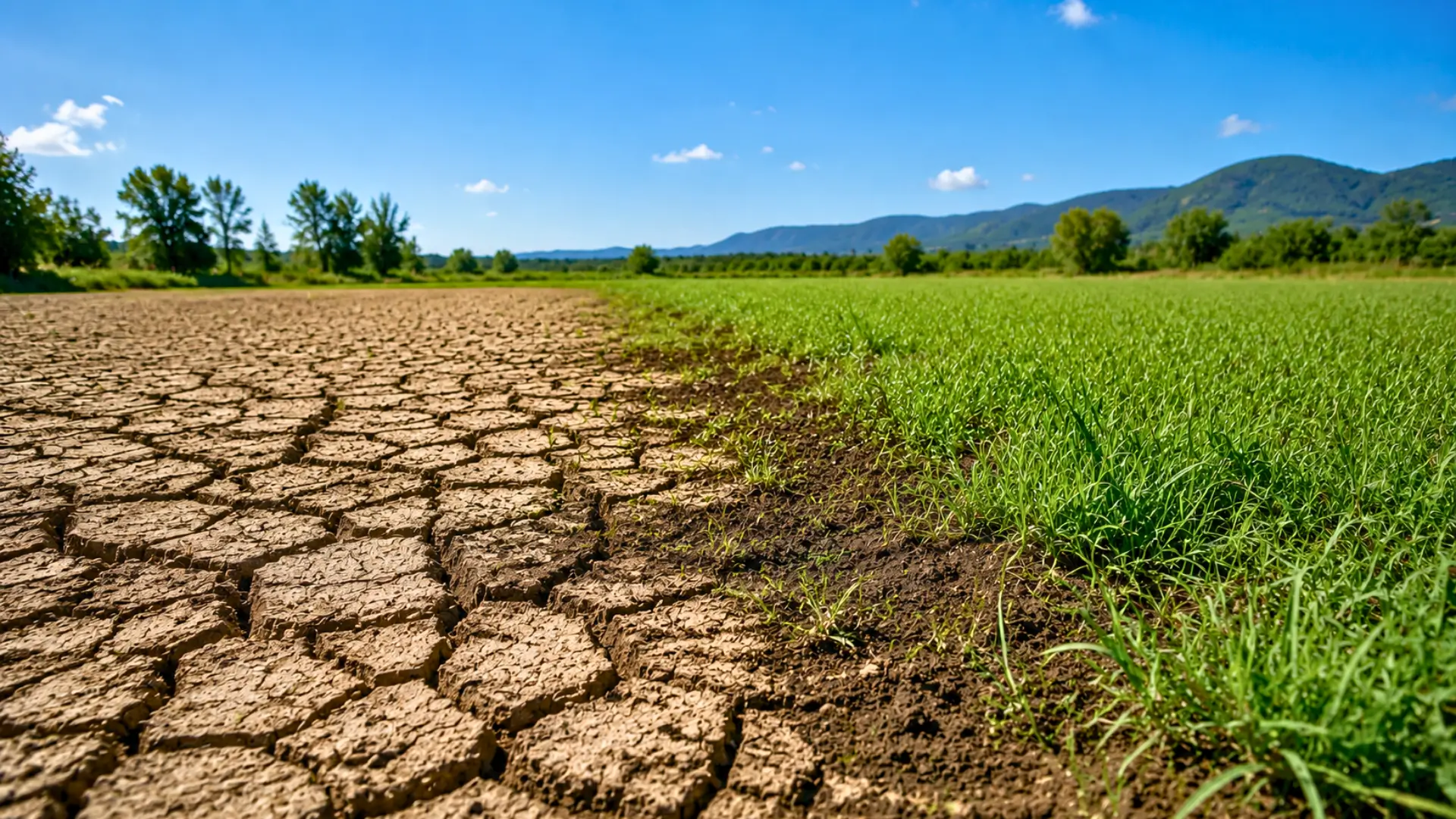
Moist soil functions like a quiet air conditioner. Sunlight causes the water within it to evaporate, taking some of that energy with it. As a result, the air does not heat up as quickly. Although this process might seem inconspicuous, it can have a significant impact during the hottest afternoons.
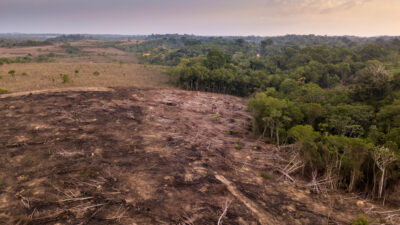
This dynamic changes dramatically when water reserves become depleted. Without enough evaporation, solar energy is converted into thermal energy, or “sensible heat,” which directly raises air temperature. Consequently, dry land turns into a massive radiator. Under similar weather conditions, a parched landscape can warm significantly more than a verdant meadow.
This transition is not a smooth process. Researchers from the University of Reading have outlined three categories: very wet soils, intermediate soils, and extremely dry soils. The most notable thermal response occurs in the intermediate category, where a slight loss of moisture can trigger a pronounced temperature shift.
Quantifiable impacts of drying soil on extreme heat spikes
A 2026 study published in the journal Climate Dynamics showcased this phenomenon in New Zealand. In areas where soil-atmosphere interactions are most pronounced, a deficit in moisture can heighten temperature extremes by as much as 3 to 5 degrees Celsius compared to moist soils.
This finding reveals a stark reality. Two regions under similar air masses can experience drastically different conditions based on soil status. One area might release energy through evapotranspiration, while the other retains heat, resulting in a local overheating that general weather predictions cannot accurately capture.
The vicious cycle between dry soil and intensified heat waves
The real concern lies in the feedback loop that ensues. Drier land raises air temperatures, which in turn accelerates evaporation of any remaining moisture. Plants gradually close their stomata to conserve water, leading to reduced transpiration. This process strips the landscape of its chief cooling mechanism precisely when it is most essential.
This feedback can start weeks before a heat wave hits. A moisture anomaly in spring can set the stage for a hotter summer. The Intergovernmental Panel on Climate Change views the interplay between soil moisture and temperature as a crucial factor in the severity of past and current heat events.
This trend is not confined to the air alone. In Central Europe, extreme temperature fluctuations in soil have increased more rapidly than those recorded in the atmosphere, with a more intense rise of 0.7 degrees Celsius per decade. This underground heat threatens plant roots, soil organisms, and natural carbon cycles.
Soil-based solutions to mitigate overheating and preserve the climate
Since soil plays a pivotal role in temperature intensity, its condition offers a lever for adaptation. Restoring wetlands, maintaining plant cover, and enriching soils with organic matter can help retain more water. The IPCC emphasizes that certain agricultural practices and thoughtful irrigation can alleviate extreme heat through evapotranspiration.
In urban areas, this principle promotes permeable soils, trees, and green spaces over bare, mineral surfaces. These approaches will never fully substitute for reducing greenhouse gas emissions. However, they remind us of a powerful truth: in the face of upcoming heat waves, part of our climate protection may lie in just a few inches of living soil.