
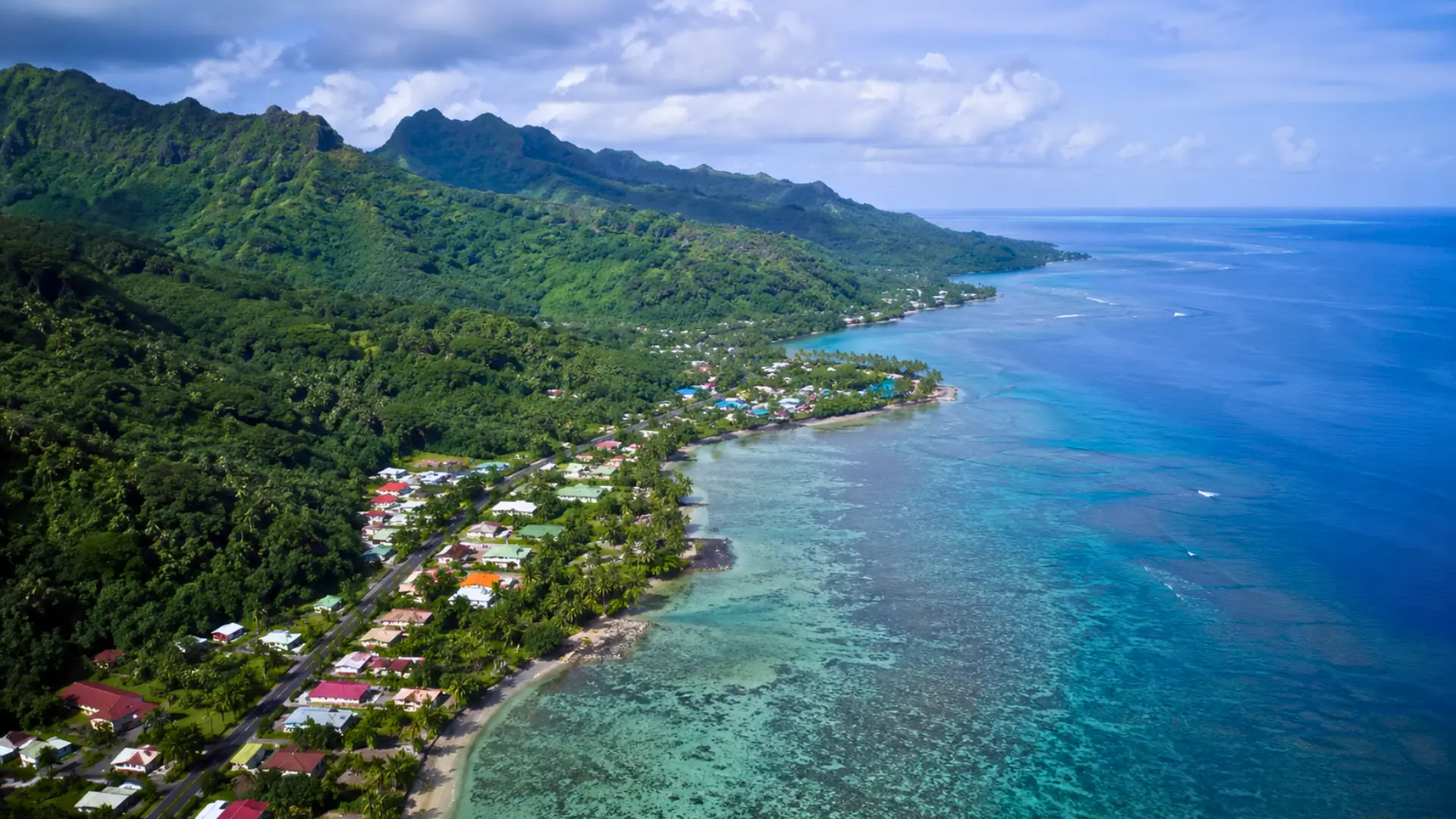
Islands may seem isolated, almost shielded by the ocean, but they are home to remarkable biodiversity and face escalating threats. A global study shows that France, through its overseas territories, is more vulnerable to this island crisis than one might think.
Global inventory of islands reveals their vulnerability to global pressures
For too long, the threats to islands have been examined in isolation. Rising sea levels, deforestation, or invasive species have been analyzed separately. Now, for the first time, scientists have connected these dots to create a comprehensive global perspective on the risks facing island ecosystems.
Published in the scientific journal PNAS, the study focused on islands larger than one square kilometer, integrating multiple environmental databases. The researchers projected future changes up to 2050. The findings paint a troubling picture where various threats overlap, sometimes on very small landmasses.
Island ecosystems face intensifying climate pressures by 2050
According to projections, 65 percent of island ecosystems will be mainly affected by climate change by 2050. This figure translates into tangible disruptions such as prolonged droughts, extreme rainfall, shifting climate zones, warming waters, and the gradual loss of habitats becoming too hot or unstable to sustain life.
Climate change does not act alone. For 22 percent of the ecosystems studied, the primary threat stems from land use changes. Urbanization, agriculture, tourism infrastructure, and deforestation can fragment already narrow environments. Sometimes, just a few kilometers of road can effectively sever an animal population from its habitat on an island.
Biological invasions pose the greatest risk to 13 percent of the territories examined. An accidental introduction of a predator via a ship, airplane, or shipment can trigger a significant ecological upheaval. Island species, often evolved without competitors, usually lack natural defenses against foreign rats, snakes, insects, or plants.
French overseas territories as climate sentinels
From Europe, France appears to be a continental country. In reality, its geography extends from the Caribbean to the Pacific, covering the Indian Ocean and Southern seas. This global presence brings with it an immense ecological responsibility while also exposing the country to the threats identified by researchers.
French Polynesia and some mainland islands, for example, host “exposure hotspots,” where climate change, artificialization, and invasive species may intersect. Consequently, France ranks among the top quarter of nations at risk, alongside Fiji, Seychelles, Japan, India, and Micronesia.
Global race to preserve island biodiversity against climate threats
Islands cover only about 7 percent of dry land but host nearly 20 percent of global biodiversity. This concentration makes the loss of any single species particularly significant. When an endemic species goes extinct on its sole island, there is no opportunity to recolonize a neighboring territory. It simply vanishes from Earth.
The authors of the study advocate for restoring degraded habitats and creating protected areas tailored to local realities. A rehabilitated mangrove can buffer storms, support wildlife, and curb erosion. Protecting an island is therefore not just about drawing a line on a map but about restoring its ecological balance.
However, the assessment remains incomplete. Available data do not adequately capture the extent of plastic pollution, nighttime lighting, chemical substances, or resource overexploitation. Current figures may therefore underestimate certain threats. By 2050, the fate of islands will depend as much on climate models as on decisions made today, sometimes thousands of kilometers from their shores.



