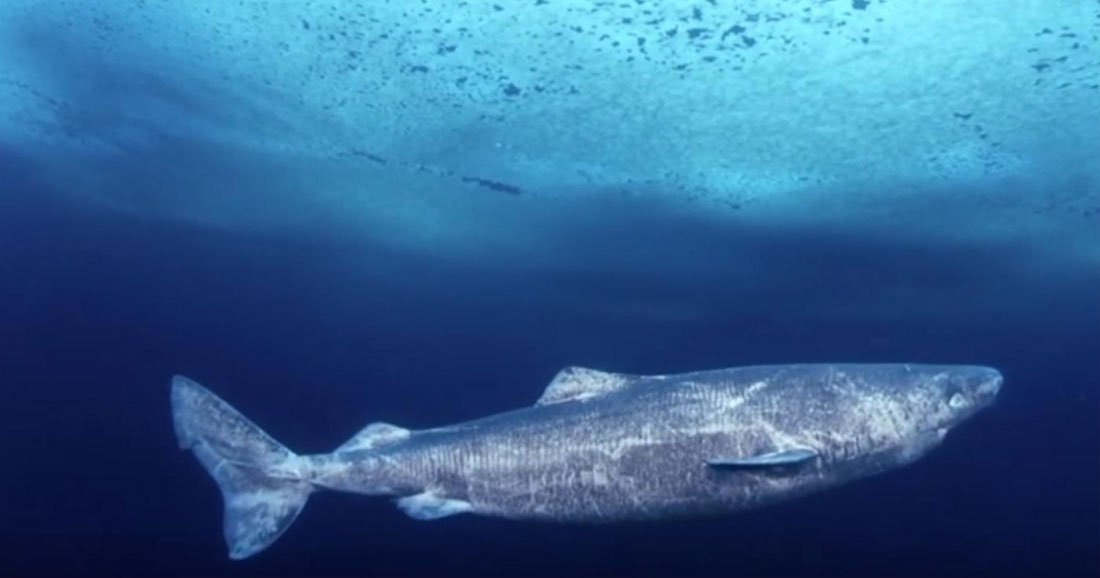
The Greenland shark is one of the few sharks that thrives in the frigid waters of the North Atlantic, standing out for its impressive size and extraordinary longevity, which can span several centuries.
Inuit people refer to it as “Skalugsuak,” inspired by an ancient legend claiming it originally resided in the urine pot of the sea goddess Sedna, with its flesh said to be capable of irritating human skin. This fascinating creature found in Arctic waters is more widely known as the Greenland shark (Somniosus microcephalus).
Interestingly, the mythical origins are not entirely fanciful; the tissues of this shark contain significant amounts of urea, which aids in its osmotic balance and buoyancy control. As a result, its meat needs to be boiled several times to remove trimethylamine oxide, a neurotoxin that can induce sensations similar to intoxication.
While it may not be as massive or intimidating as its cousin, the great white shark, the Greenland shark can nonetheless reach lengths of up to seven meters. It is recognizable by its elongated body, gray-brown skin, small head with a rounded snout, and tiny eyes, which often host bioluminescent parasites that may help attract its prey.
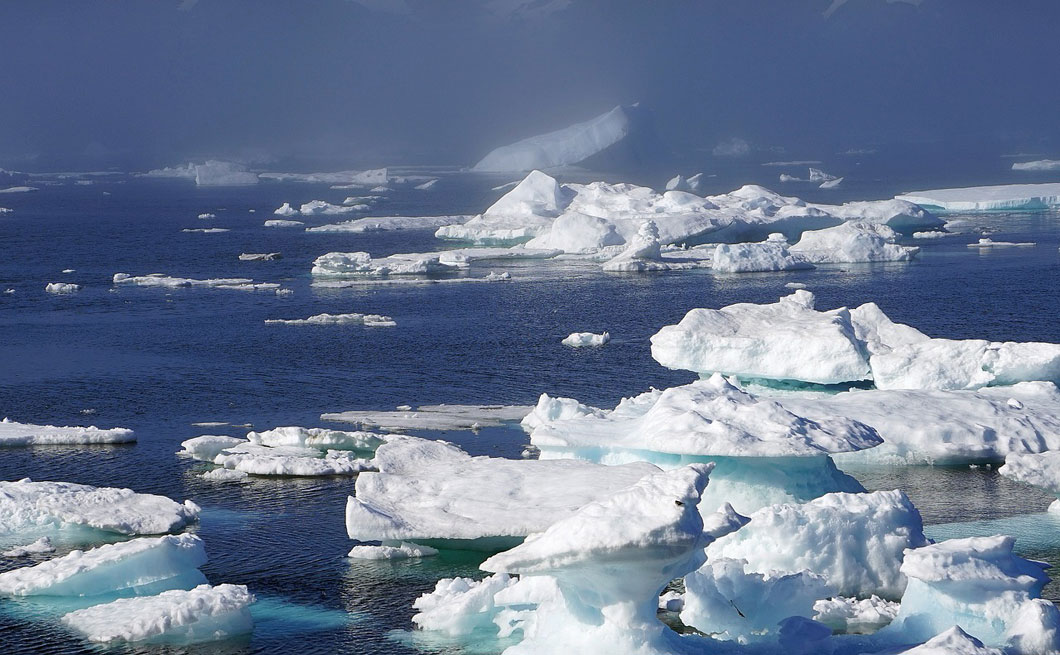
Demonstrating its elusive nature, the first photographs of a living specimen were captured in the mid-1990s. Typically found at depths between 200 and 400 meters in the polar waters of the North Atlantic and North Pacific, it is one of the rare sharks able to endure Arctic temperatures throughout the year.
Equipped with sharp, needle-like teeth in its upper jaw and broader teeth in the lower jaw, this lethargic predator hunts squid, seals, porpoises, and a variety of bony and cartilaginous fishes. An opportunistic carnivore, it will also scavenge the remains of belugas, narwhals, and even terrestrial animals.
For years, scientists believed that the Greenland shark had a lifespan akin to most sharks, around a century. However, recent studies have dramatically revised this estimate using innovative dating methods.
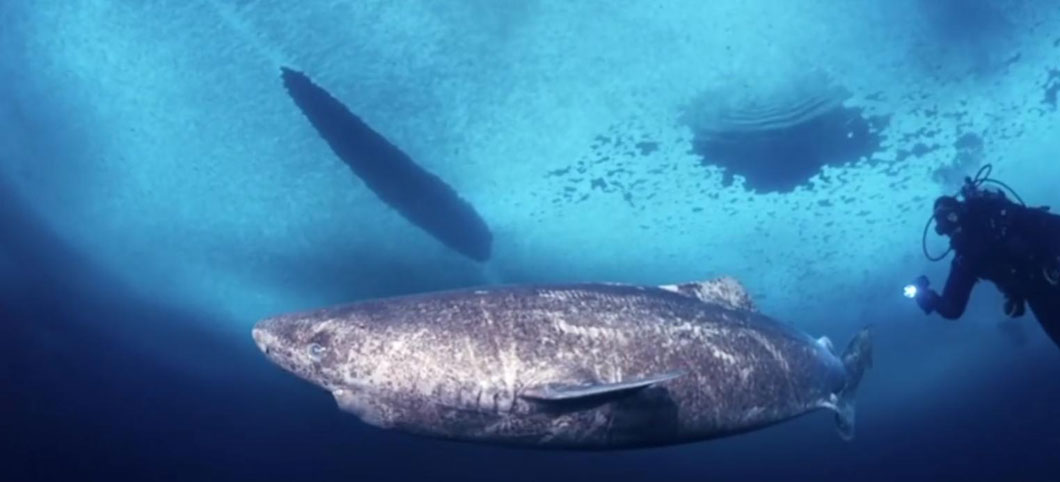
Researchers captured 28 specimens and performed carbon-14 dating on their lenses. The results were astonishing: one five-meter-long Greenland shark was found to be around 392 years old! This remarkable longevity surpasses that of large tortoises and bowhead whales.
Sexual maturity is reached when they measure at least four meters, corresponding to an age of about 150 years. Females can give birth to up to ten pups per litter, with newborns measuring roughly 90 centimeters in length.
Scientists attribute this extraordinary lifespan primarily to two factors. Due to their large size, Greenland sharks possess a significantly slower metabolism than most marine creatures, a phenomenon further enhanced by their constant presence in icy waters.
A slower metabolism also contributes to slower growth and delayed cellular aging. It becomes clear why the Greenland shark, nearing four centuries in age, is the oldest vertebrate known to science by far.