Lipases
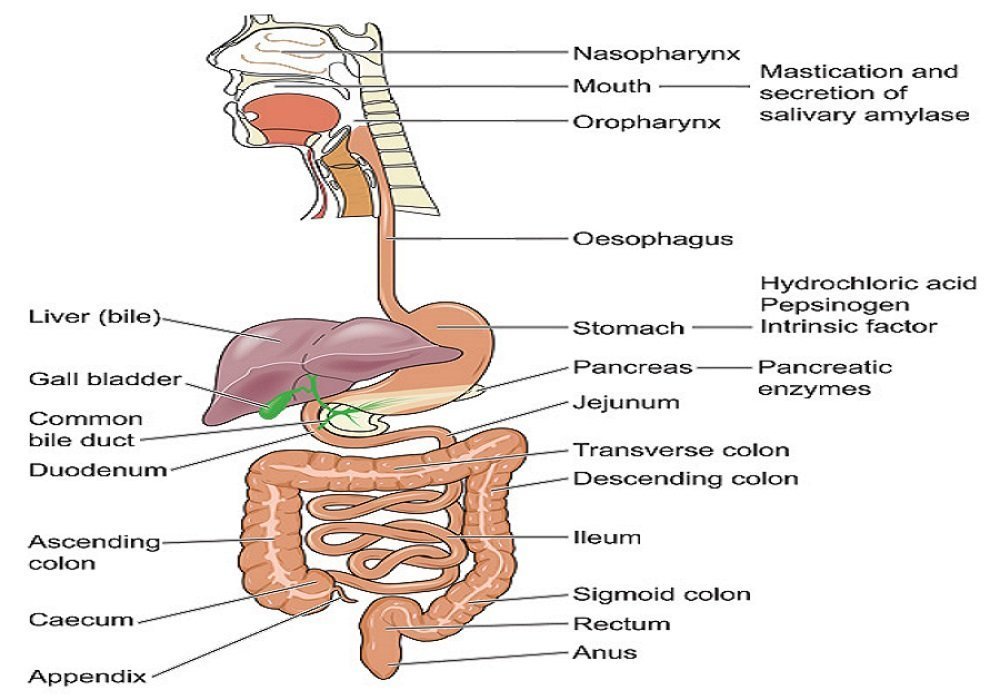
Lipase breaks down lipids (fats and oils) into free fatty acids in the stomach and duodenum, ready for absorption across the gut barrier into the lacteal system. Pancreatic lipase is by far the most active of all the lipase enzymes through the pancreas also secretes phospholipases to break down phospholipids such as phosphatidylcholine. Digestion of many fats is a lengthy process requiring the presence of bile to help emulsify the fat so that it can bind to lipase enzymes to be broken down. Consequently, fat digestion is heavily dependent on optimal liver, gallbladder and pancreatic health. Phospholipid types of fats do not require emulsification by bile and are absorbed directly into the bloodstream rather than the lacteal system. This means phospholipids are more easily digested and absorbed across the gut barrier. Interestingly, Krill oil omega 3 essential fatty acids are in phospholipid form so have better bioavailability compared to fish oil and flaxseed oil omega 3 essential fatty acids, which are in triglyceride form.
Benefits of Lipases : Pancreatic lipase is the most important digestive enzyme, as it is not adequately produced outside of the pancreas. Poor digestion of triglycerides leads to excessive fat in the stools (steatorrhea) and impaired absorption of fat-soluble nutrients such as essential fatty acids and vitamins A, D, E, K., In fact, human studies have shown that supplementing with a microbial-derived lipase reduced fat in stools and improved fat digestion in patients with cystic fibrosis.
Proteases
This class of enzymes breaks down proteins in foods such as meats, dairy, eggs and plants into smaller fragments known as peptides. Dietary protein digestion begins in the stomach with the acid-stable protease pepsin, which is stable in acid, breaking down the large protein polypeptide chains. Proteases in the pancreatic juices and intestine then break the peptide bonds down further so that only small peptide units and individual amino acids remain ready for absorption and utilisation in the cells. Proteases that breakdown amino acids from the ends of the polypeptide protein chains are called exopeptidases, whereas those that cleave internal bonds within the peptide chain are termed endopeptidases. Proteases can function across a wide pH range as demonstrated by their action in the stomach and small intestines.
Benefits of Proteases: Proteolytic enzymes (i.e. proteases) taken with a meal can help in the breakdown of dietary protein. This enhances not only protein digestion but also may increase digestion of fibrous plant material by degrading proteins in plant cells walls, allowing for increased exposure to fibrolytic enzymes found in plants and some types of microbe.8 Proteases also help break down protein chains in foods that may trigger allergies in sensitive individuals. To support digestion, protease supplements should be taken with food. When taken between meals then proteases can be absorbed through the intestinal barrier and are capable of modulating a number of biochemical reactions throughout the body including reducing inflammatory.
Carbohydrases
These enzymes facilitate the breakdown of dietary carbohydrates such as starches, fibres and sugar. Carbohydrate digestion begins in the mouth with salivary amylase breaking down starch. The process slows down in the acidic conditions of the stomach but resumes again in the optimal pH levels of the duodenum where carbohydrases in the pancreatic juice break down the smaller chains of sugars (i.e. poly and
disaccharide chains) into their corresponding sugar units (i.e. monosaccharides) such as glucose. Many plant fibres are indigestible, as we do not possess specific digestive enzymes to break them down. There are many other different types of plant and microbe digestive enzymes that we will discuss later on in this newsletter.
Benefits of Carbohydrases
These enzymes facilitate the breakdown of Digestion of carbohydrates is crucial for us to absorb sugars and starches. Certain digested carbohydrates also serve as sources of food for the growth of beneficial gut bacteria, which act to support our health in many ways including production of certain vitamins, regulation of immune system activity and further digestion and absorption of nutrients. Incomplete digestion of sugars and starches from the diet can lead to fermentation by gut bacteria. This, in turn, may contribute to many symptoms including Irritable Bowel Syndrome (IBS), diarrhoea, bloating and flatulence so optimal levels of carbohydrases found in saliva and pancreatic juices are essential to health. However we do not synthesise digestive enzymes for many of our dietary carbohydrates, which is why to plant, and microbial carbohydrases are so important.