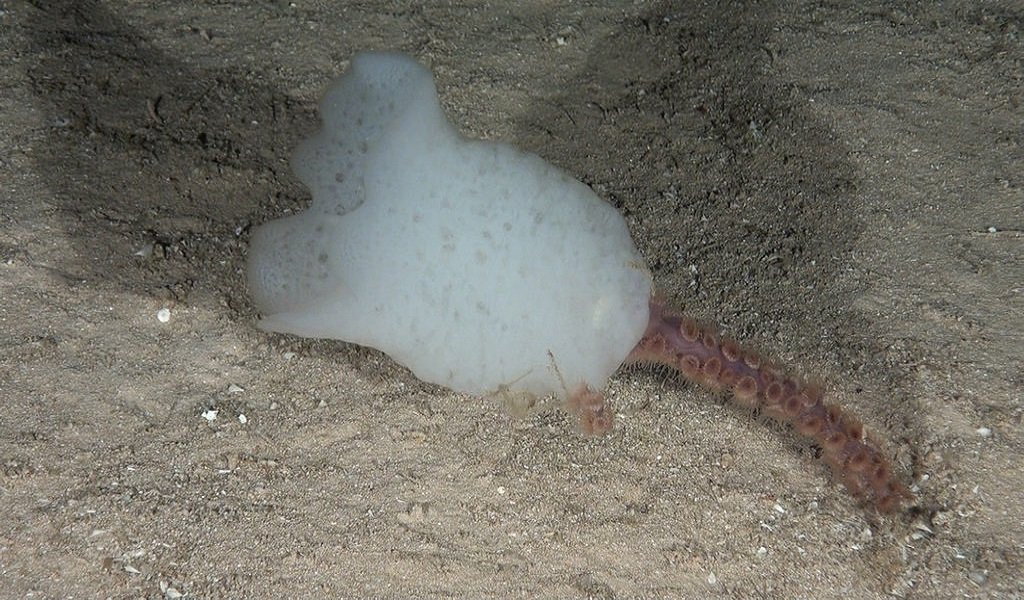
Phylum Porifera
This post is also available in:  English
Kingdom: Animalia
Habitat: Aquatic, mostly marine, few are terrestrial
Habit: They are solitary or colonial.
Grade of organization: cellular grade of body
Shape: Body shape is variable, mostly cylinder shaped
Symmetry: Asymmetrical or radially symmetrical.
Germ layer: Diploblastic animals. The adult body wall contains two layers, outer dermal layer and inner gastral layer. In between these two layers, there is a gelatinous and non-cellular mesoglea containing numerous free amoeboid cells.
Coelom: Absent; acoelomate but spongocoel is present Surface of the body has numerous perforation called ostia (for the entry of water) and a large pore at the apex called osculum (for the exit of water). Water canal system present
Endoskeleton: Either calcareous spicules (calcium carbonate) or siliceous spicules (silica) or sponging fibers (protein).
Nutrition: holozoic
Digestion: Intracellular
Nervous system: absent
Circulatory system: absent
Reproduction:
- Asexual: by budding or gemmule or regeneration
- Sexual: gametic fusion
Fertilization: Internal
Classification of Phylum Porifera
Based on the type of skeleton system the phylum Porifera is divided into three classes
Class 1: Calcarea or Calcispongiae
(calcarius: lime / calcium)
- Habitat: Exclusively marine
- Habit: Solitary or colonial nature.
- Endoskeleton: calcareous spicules composed of calcium carbonate
- Symmetry: Radially symmetry
- Shape: Cylindrical shape
- Examples: Sycon, Leucosolenia
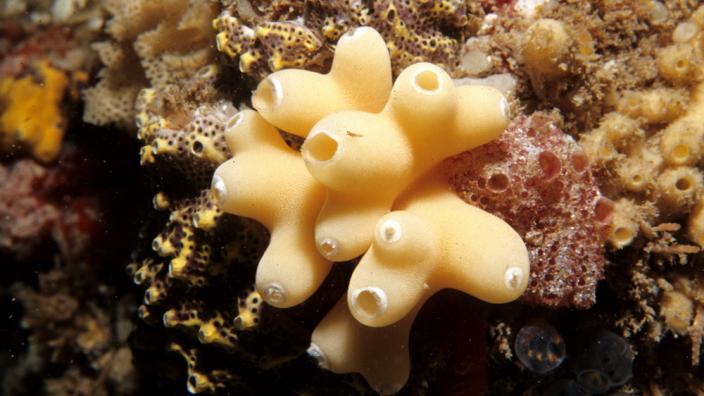 Sycon
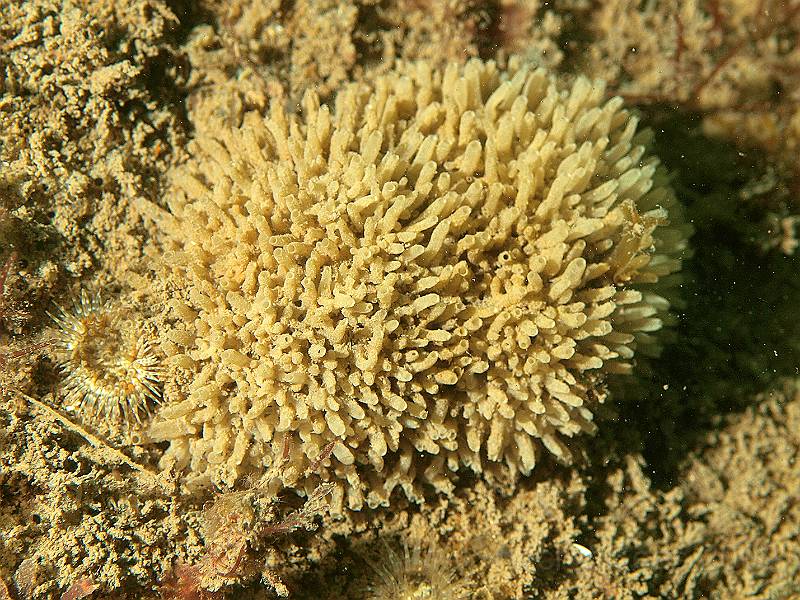 Leucosolenia
Class 2: Hexactinellida or Hyalospongiae:
(Hex: six, actin: ray, idea: terminal)
- Habitat: Exclusively marine (deep sea)
- Habit: Solitary in nature.
- Endoskeleton: six-rayed siliceous spicules.
- Symmetry: Radially symmetry
- Shape: Cylindrical shape.
- Examples: Euplectella, Hyalonemma
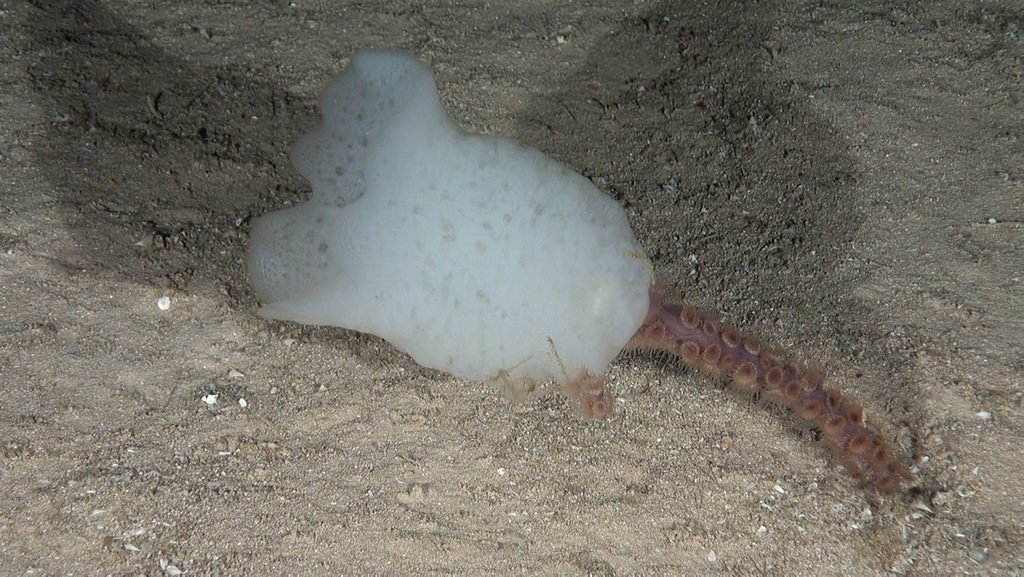 Hylonemma
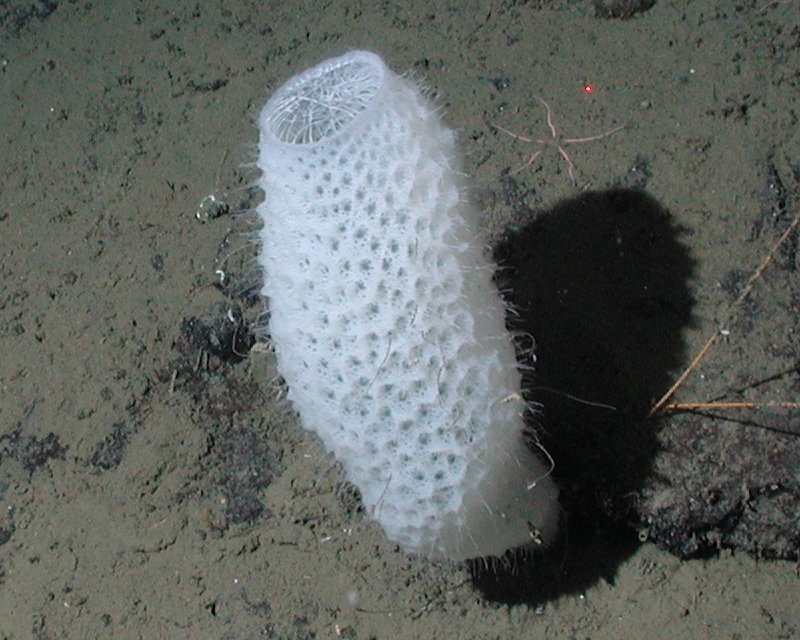 Euplectella
Class 3: Demospongiae
(Demos: frame)
- Habitat: Mostly marine and some are freshwater
- Endoskeleton: Siliceous spicules or sponging fibres or both or none.
- The spicules are monaxon or tetraxon but never six-rayed.
- Symmetry: asymmetrical.
- Shape: Irregular
- Canal system complicated.
- Spongocoeal is totally absent.
- Examples: Spongilla.
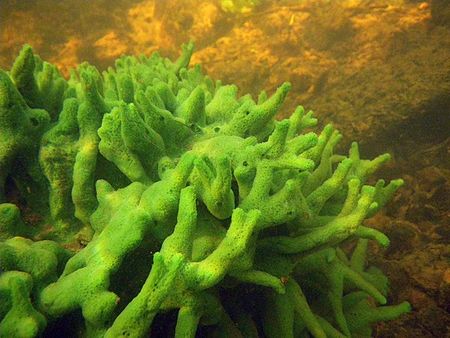 Spongilla