
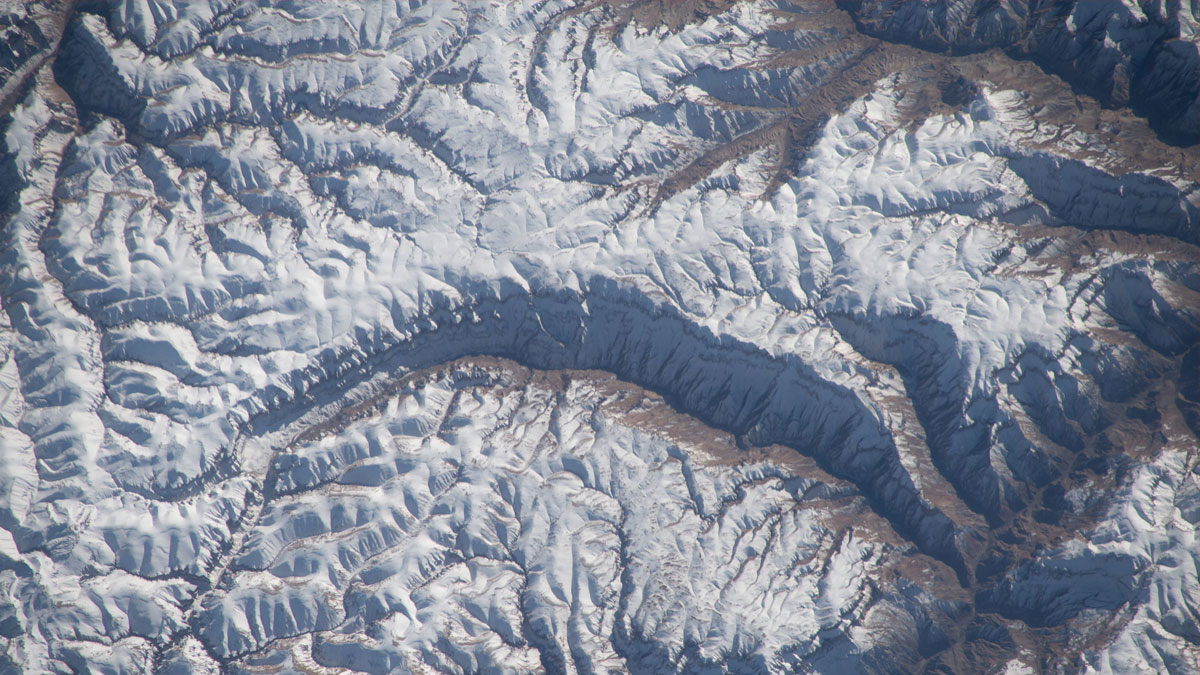
The glaciers of the Pamir Mountains in Central Asia, once considered resistant to global warming, have suffered significant melting recently, marking a troubling shift in climate dynamics.
Last giants
While glaciers in various parts of the world have been retreating alarmingly, those in the western Kunlun, Karakoram, and eastern Pamir regions appeared stable, or even advancing, from the 1970s to the early 2000s. However, this trend has changed drastically. A research team from the Chinese Academy of Sciences studied the Kangxiwa Glacier, which stretches 3 kilometers in the Xinjiang Uyghur Autonomous Region.
Previously, this glacier, reaching an elevation of 5,350 meters, experienced only minor fluctuations. Yet, researchers noted a significant acceleration in its melting rate, with a record loss of ice documented in 2025 -an average thickness reduction of 1.5 meters across the glacier. This rate is four times higher than the average from 2011 to 2024.
Until recently, the Pamir mountains in central Asia have bucked the global melting trend, but in 2025, the region’s glaciers experienced a massive loss of ice due to extreme heat https://t.co/4HRh0QsOkz
– New Scientist (@newscientist) May 30, 2026
This unprecedented melting at Kangxiwa, along with similar patterns observed in other eastern Pamir glaciers, is attributed to an exceptionally warm year. Researchers noted that, unlike previous years when extreme temperature spikes were limited to certain months, the high heat persisted throughout the entire 2025 melting season.
Implications
The remarkable data indicates that the once-mighty glaciers of the Pamir and Karakoram ranges are no longer anomalies in resisting climate change. Due to these findings, the study’s authors express concern regarding the intensification of melting in these regions.
Shaun Eaves from Victoria University of Wellington noted that while the results align with the broader global trend, it remains premature to declare these changes irreversible for this specific area. He emphasizes that the initial precise measurements of Kangxiwa’s ice mass began in 2011, and the upcoming assessments will be vital to understanding its future trajectory.
Earlier this year, researchers from Switzerland projected the fate of the planet’s 211,000 glaciers, emphasizing the urgency to monitor and adapt to these environmental changes.



