A close look at over 200 spider species has resulted in the identification of the fastest spider in the world. This impressive sprinter hails from Australia and can reach speeds of nearly 3.6 meters per second.
Fastest spider revealed
In an effort to understand the biomechanical forces at play, researcher Shreyas Kuchibhotla from Imperial College London, along with his team, studied 162 spider species collected from around the world. Each specimen was weighed and then filmed in speed trials conducted on graph paper. Data from other research groups raised the total number of species examined to 258.
The authors of the new study, pre-published on the bioRxiv server, noted that while a gentle touch with a brush sufficed for most spiders to start running, tarantulas were less compliant. The researchers had to use bursts of compressed air to get these larger spiders moving.
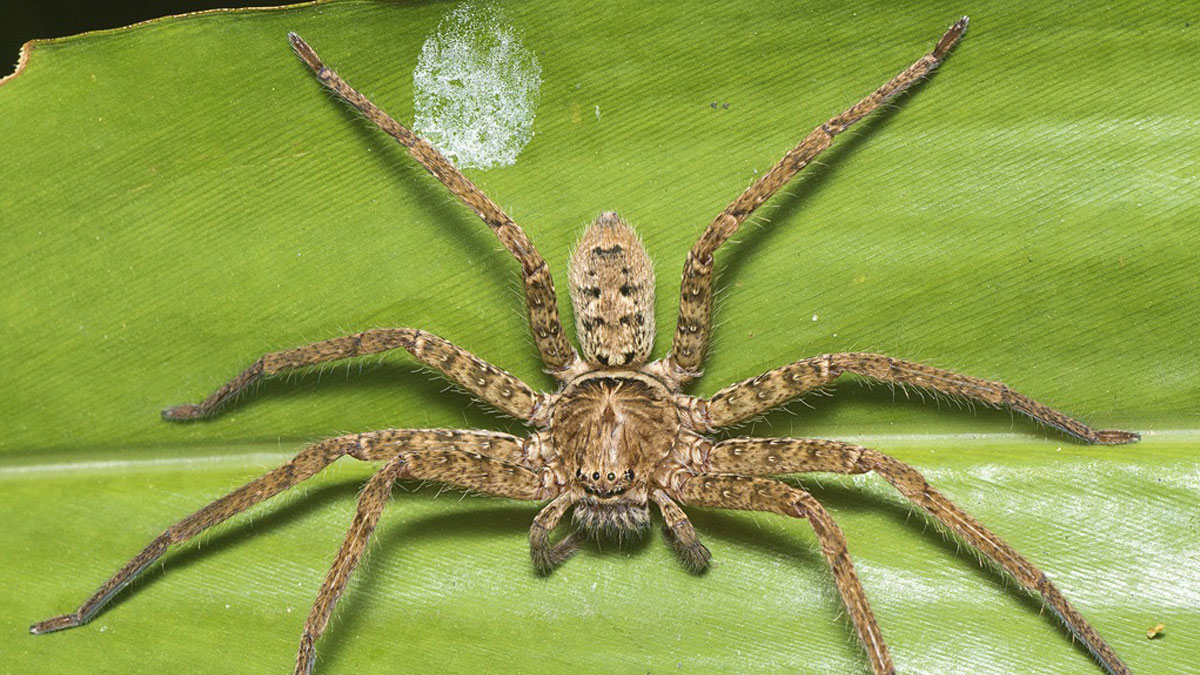
The title of fastest spider goes to the Australian huntsman spider, Heteropoda jugulans. Weighing just 3 grams, this spider reached an astounding speed of 3.59 meters per second. According to Kuchibhotla, they are relatively large but have a compact abdomen.
The most comprehensive database ever compiled of how fast arachnids can run has shown how leg anatomy and evolutionary history influence spiders’ running speed https://t.co/2kKClvulOg
– New Scientist (@newscientist) June 30, 2026
An unexpected find came from the orange goblin spider (Oonops pulcher), whose speed has been likened to teleportation. Weighing a mere 0.1 milligram, it can move at over 20 centimeters per second.
Evolving speed
David Labonte, another researcher from Imperial College London, pointed out that lifestyle habits, such as hunting strategies, lead to extreme anatomical and physiological adaptations. He explained that, just as the cheetah can easily outrun any dog of comparable size, spiders have developed particular adaptations for speed.
From an anatomical perspective, researchers found that fast-running spiders tend to have relatively long and thick legs.
The key takeaway from this research is that a spider’s speed primarily depends on the structure of its limbs and its evolutionary history, as noted by Leanda Mason from Edith Cowan University.
Earlier this year, a separate study highlighted the mechanism that allows a certain Australian spider to perform remarkable jumps.