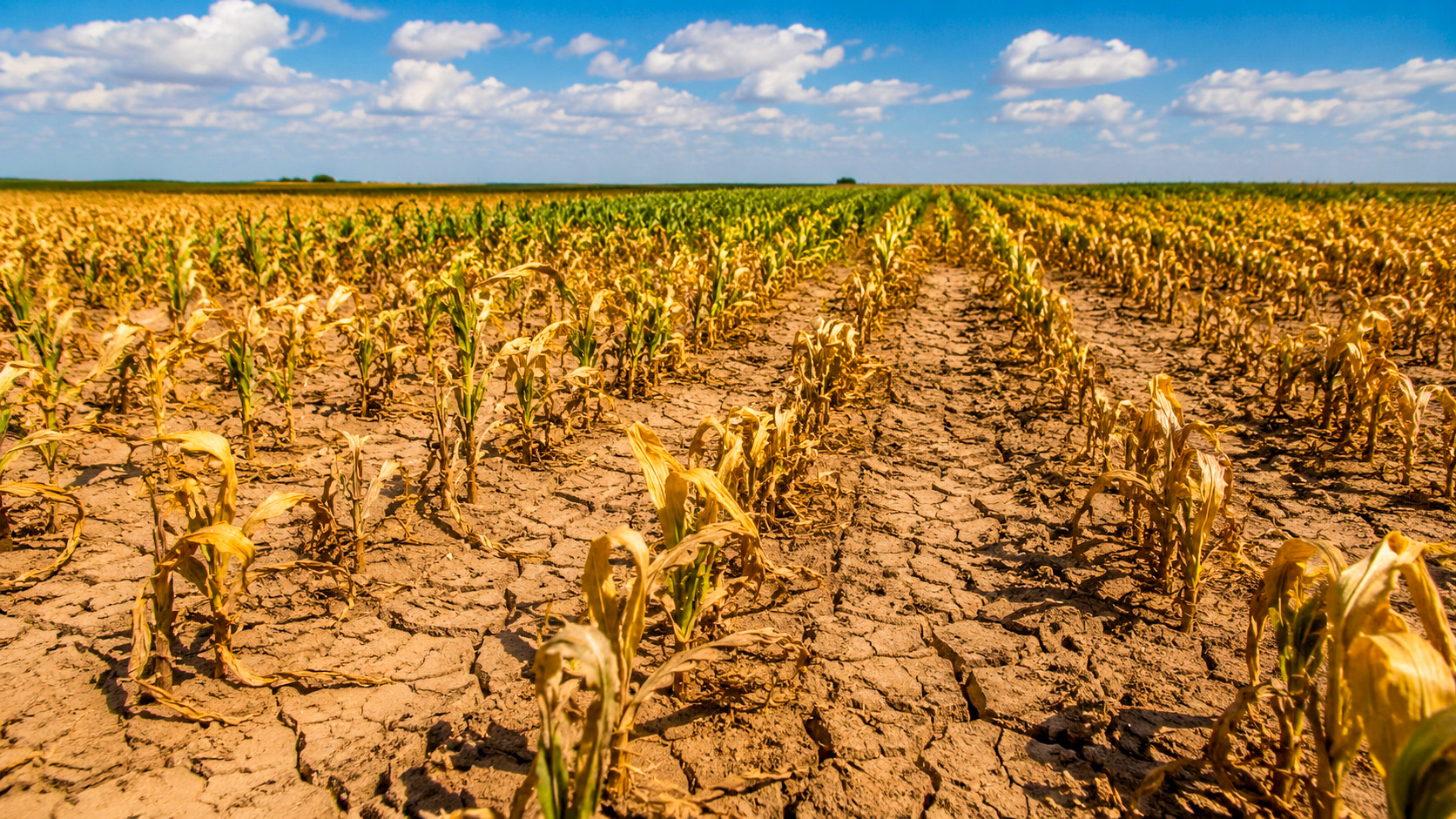
Fields that were lush and green can turn into cracked, yellow landscapes within just weeks. This rapid onset of drought catches farmers and water managers off guard, as they are accustomed to slower drought conditions. A global assessment has quantified the speed and frequency of these events, revealing that such occurrences are on the rise worldwide.
Fast-acting droughts disrupt agricultural stability
Traditional droughts evolve gradually. Rainfall decreases, groundwater levels diminish, and rivers recede over months or sometimes years. Farmers can often see these changes coming, enabling them to ration water and adjust their crops before reaching critical conditions.
In stark contrast, rapid droughts can transpire in just two to four weeks. In this short time, moist soil loses its water, vegetation wilts, and crops face severe water stress. A field that is vibrant green at the beginning of summer can be reduced to cracked earth before the harvest season begins.
Standard monitoring tools, designed to track slow trends, struggle to identify this sudden shift. By the time alerts are raised, damage has typically already occurred. This quick transition leaves farmers little time to respond, posing significant risks to the food security in affected areas.
Evapotranspiration: the hidden driver of rapid soil drying
The catalyst behind these speedy droughts is a phenomenon known as evapotranspiration. This process includes the evaporation of water from the soil and the transpiration from plants, which release water vapor through their leaves. Together, these activities continuously draw moisture from the ground into the atmosphere.
As temperatures rise and the air dries, this process accelerates significantly. The soil drains like a squeezed sponge. Moisture evaporates faster than plants can absorb it, and each dry day sets the stage for the next.
A global assessment maps this escalating climate risk
Previously, rapid droughts were studied in isolated regions without a comprehensive view. A recent global evaluation has managed to measure the speed and frequency of these events uniformly, producing a map that highlights areas most at risk.
The findings are concerning: these rapid drought episodes are increasing in both frequency and intensity, particularly in regions already experiencing extreme weather. Areas that have been previously unaffected are also beginning to feel the impacts. This assessment provides a common frame of reference for comparison across different situations.
Implications for agriculture, crop yields, and water management
The implications of these findings extend directly to consumers’ plates. A rapid drought occurring during the critical growth phase of grains or vegetables can devastate a harvest within weeks, leading to immediate repercussions on price and supply – especially during the summer, a peak season for water demand.
In light of this swift change, responsiveness becomes essential. There is a pressing need for early warning systems that can detect the signs of rapid drying before crops slip into severe stress. Existing tools, designed with slow droughts in mind, are increasingly proving inadequate.
This situation also calls for a reevaluation of irrigation practices, crop selection, and water management strategies. Preparing for a threat that unfolds in a matter of weeks requires a heightened level of vigilance, distinct from the approaches used for slow droughts of previous decades.