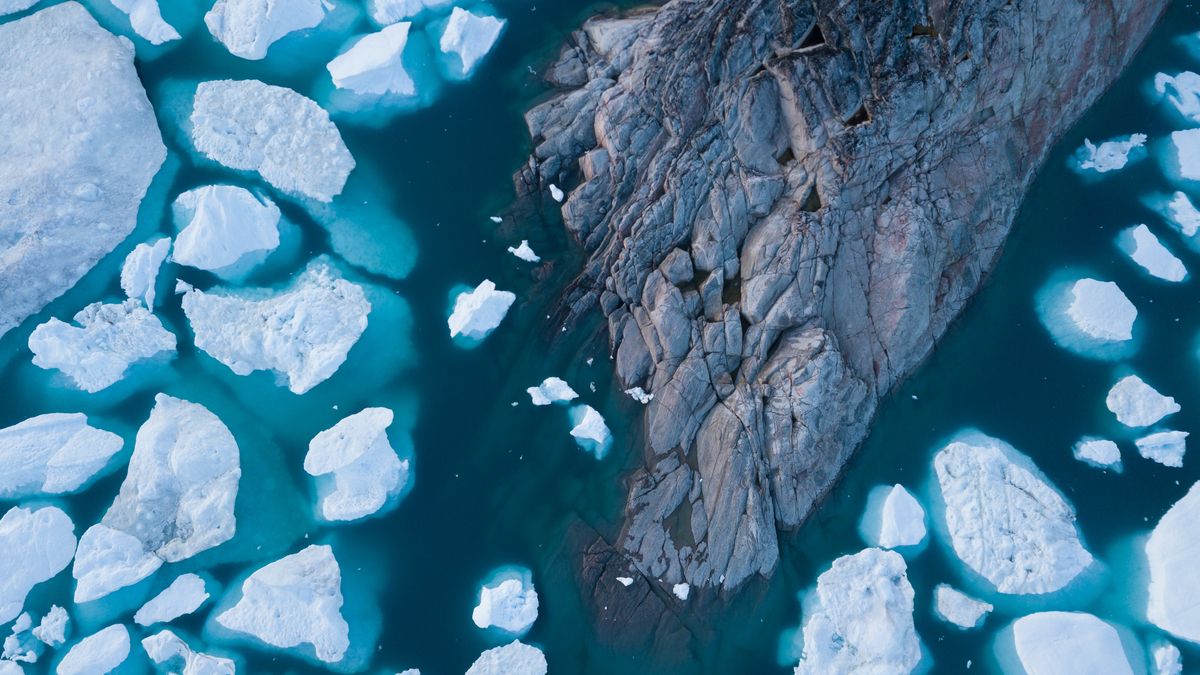
Recent observations indicate an unprecedented annual loss of Arctic sea ice, contradicting a temporary slowdown in melting observed over the past two decades.
Temporary respite
Last year, a study found no statistically significant reduction in Arctic sea ice extent from 2005 to 2024. This was surprising given the significant rise in global temperatures observed in the last decade.
At the time, this “anomaly” was attributed to natural variations in ocean currents. However, scientists cautioned that this was likely just a temporary pause, with the melting rate poised to double in the coming years.
Drawing on the latest satellite data, a new study validates this outlook. “We were indeed facing a slowdown that is part of a longer-term decline,” explains Duo Chan from the University of Southampton.
The team reported that by September 2025, the annual minimum Arctic sea ice extent was 5.8 percent lower than the previous year. This represents the highest rate of loss ever recorded over such a period since satellite observations began in 1979. At that time, the ice covered an area 50 percent larger than it does today.
An insulating role
Given that the Arctic is warming at a rate two to three times higher than the global average, this turn of events is not particularly surprising.
The authors of the recent study, published in the journal PNAS, indicate that Arctic sea ice serves as an insulator between the relatively warm ocean and the atmosphere. Its decline results in increased heat and moisture being introduced into the atmosphere, intensifying the greenhouse effect and disrupting weather patterns further south, which includes a heightened risk of storms.
“This is a new warning,” states Chan. “The data clearly shows that Arctic sea ice loss is accelerating in a rapidly warming world.”
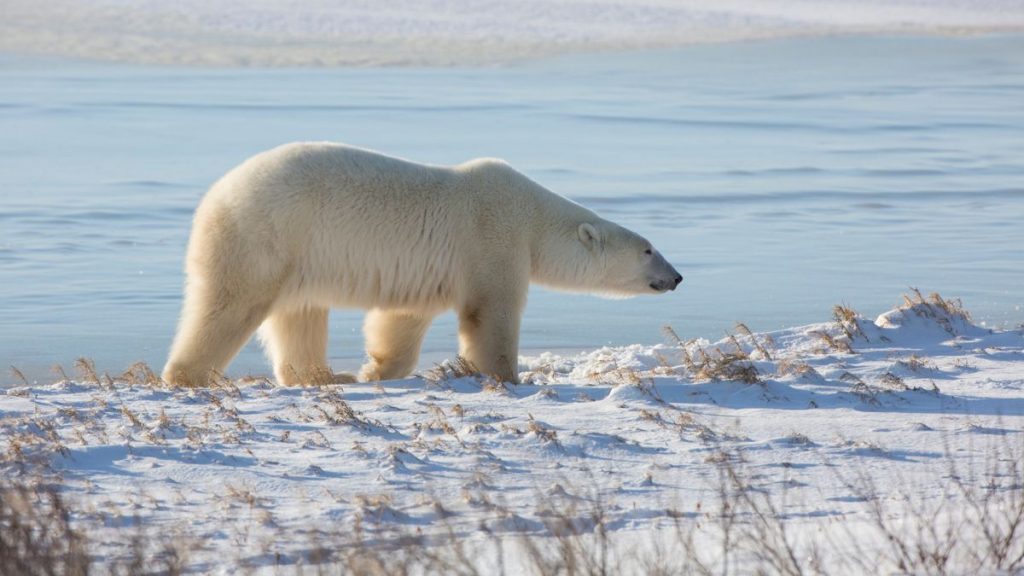
Earlier this year, another study revealed that melting sea ice is profoundly disrupting its food web.