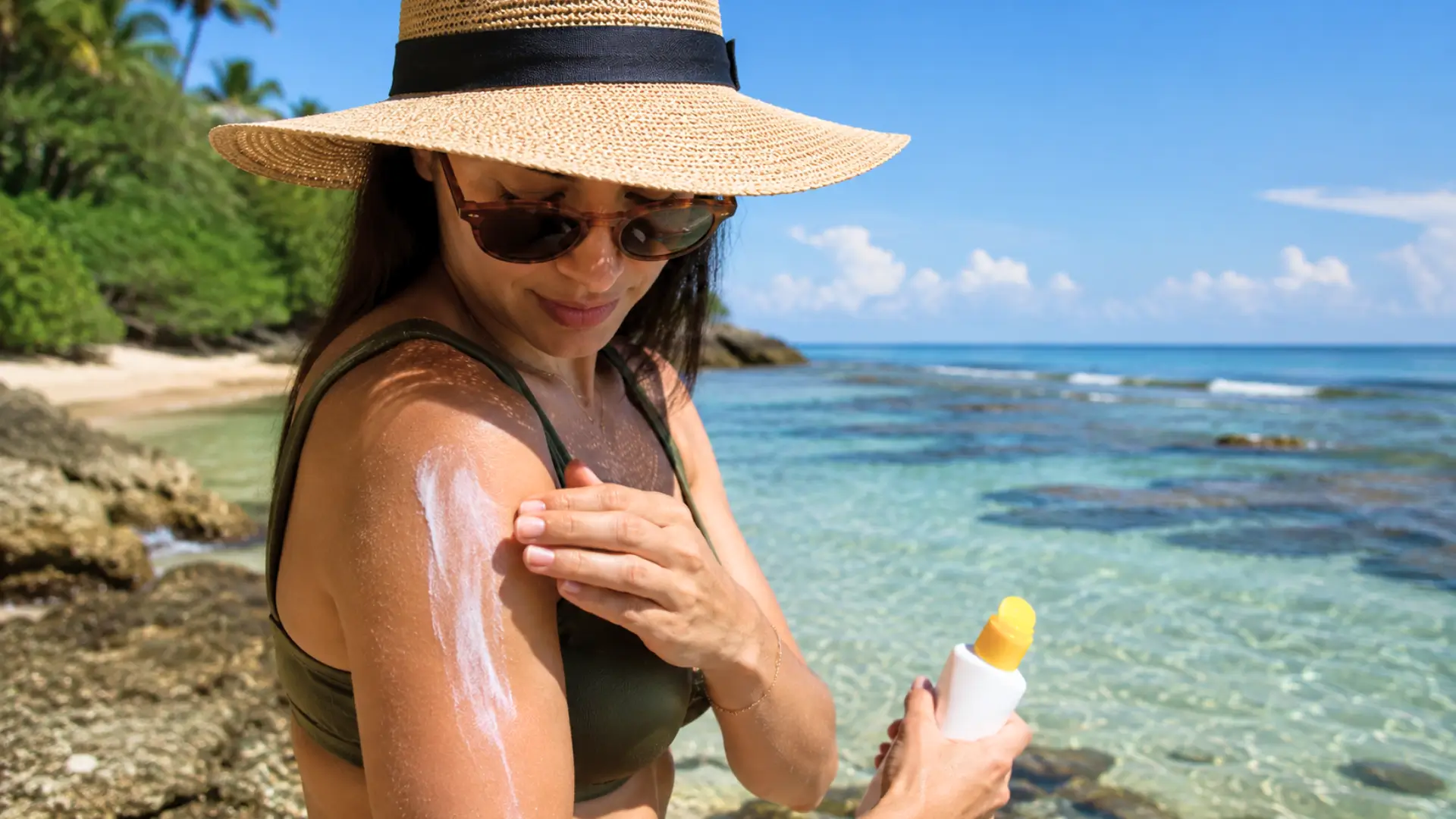
As you dive into the water, a portion of the sunscreen protecting your skin makes its way into the ocean. This has raised concerns about the effects of certain UV filters on marine life. So, is it possible to choose a sunscreen that safeguards both your skin and ocean health?
What disappears from your skin doesn’t actually vanish into the sea
Upon entering the water, the protective film of sunscreen on your skin is not entirely retained. Certain UV filters can directly enter the marine environment during swimming, while others may end up in wastewater after showers, enhancing their dispersal. The U.S. Environmental Protection Agency has categorized them as emerging contaminants warranting monitoring in aquatic ecosystems.
Among the most scrutinized substances are oxybenzone, octinoxate, and octocrylene. Research from NOAA has indicated that these compounds can impact certain marine organisms at varying concentrations. However, scientists emphasize a crucial aspect: the effects are heavily dependent on dosage and exposure conditions, complicating definitive conclusions.
In a coral reef, some molecules reach an ecosystem already under pressure
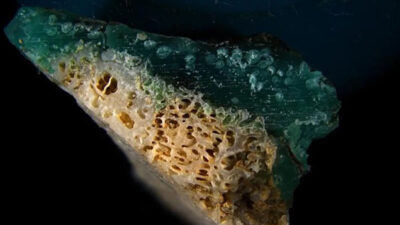
A coral reef is not merely an underwater backdrop. Corals exist in symbiosis with microorganisms that are vital for their survival. Laboratory studies have shown that certain UV filters can disrupt reproduction, induce cellular stress, and even cause bleaching. Yet scientists are still striving to comprehend these effects in natural conditions.
This uncertainty does not lessen the subject’s significance. Coral reefs occupy a small fraction of the oceanic surface, yet they support approximately 25 percent of marine biodiversity, according to NOAA. Fish, crustaceans, and mollusks rely on these areas for refuge, feeding, and reproduction, making them essential for marine balance.
Thus, sunscreens add to an already fragile scenario. Ocean warming, pollution, and human activities severely threaten corals. Moreover, UV filters are just one factor among many. It is the cumulative pressures that have led numerous authorities to adopt precautionary measures to mitigate combined risks.
Hawaii and palau turn laboratory debate into real political choices
In Hawaii, scientific debate has culminated in legislative action. Since January 1, 2021, the state has banned the sale of sunscreens containing oxybenzone or octinoxate without a prescription. This measure aims to alleviate pressure on coral reefs heavily impacted by tourism and human activities.
Palau has taken an even stricter approach. The archipelago has prohibited multiple ingredients deemed potentially toxic to reefs. This bold move sends a strong message on the international stage. In an area where tourism and biodiversity coexist closely, choosing sunscreen has become a real environmental act rather than a mere afterthought.
The best choice for the ocean may begin even before opening the tube
Does this mean we should give up on sunscreen? Absolutely not. The American Academy of Dermatology actually recommends a minimum SPF of 30, broad-spectrum, and water-resistant. Additionally, they advise combining this protection with covering clothing and seeking shade. Moreover, reapplication after swimming or sweating is necessary to maintain effectiveness.
To minimize impact on marine environments, reducing direct exposure is key. Wearing a UV-protective shirt, a hat, or utilizing shaded areas can significantly help. Furthermore, product selection matters. However, labels claiming “reef-friendly” do not guarantee complete safety, calling for consumer vigilance.
Mineral filters like zinc oxide and titanium dioxide are often seen as appealing alternatives. Nonetheless, NOAA reminds us that particle size can affect their potential impact, especially in nanoparticle forms. Balancing skin protection and ocean health will likely depend on better-studied formulations and more informed choices long before heading to the beach.