
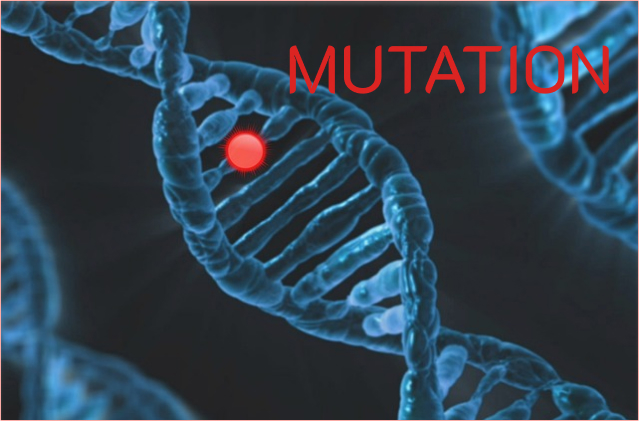
Mutation
Mutation is a change in the DNA sequence of an organism’s genetic material. DNA, or deoxyribonucleic acid, is the molecule that carries…
Mutation is a change in the DNA sequence of an organism’s genetic material. DNA, or deoxyribonucleic acid, is the molecule that carries…

A chromosome is a structure found in cells that is made up of a long strand of DNA, which is the genetic…

Q1: Which organelle in plant cells is primarily responsible for cellular respiration? (A) Chloroplast (B) Mitochondrion (C) Vacuole (D) Nucleus Answer: (B)…
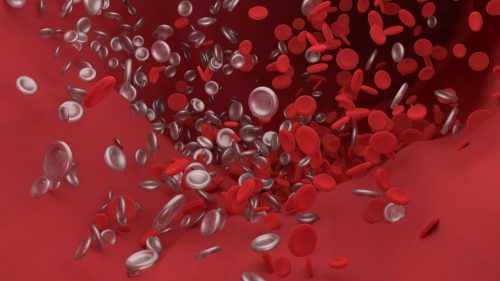
The clot or coagulam is a dark -reddish-brown ‘scum’ formed mainly by a network of threads in which dead or damaged blood…
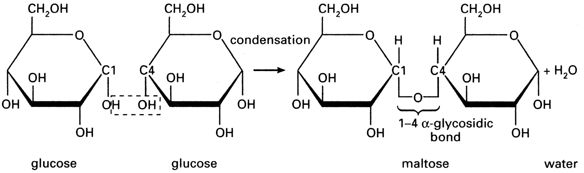
Table of Contents Carbohydrates are classified into two types on the basis of molecular weight. Micromolecules – Monosaccharides and Oligosaccharides (Including Disaccharides)…
1. Sexual reproduction involving the fusion of two cells in Chlamydomonas is (a) isogamy (b) homogamy (c) somatogamy (d) hologamy Answer and…
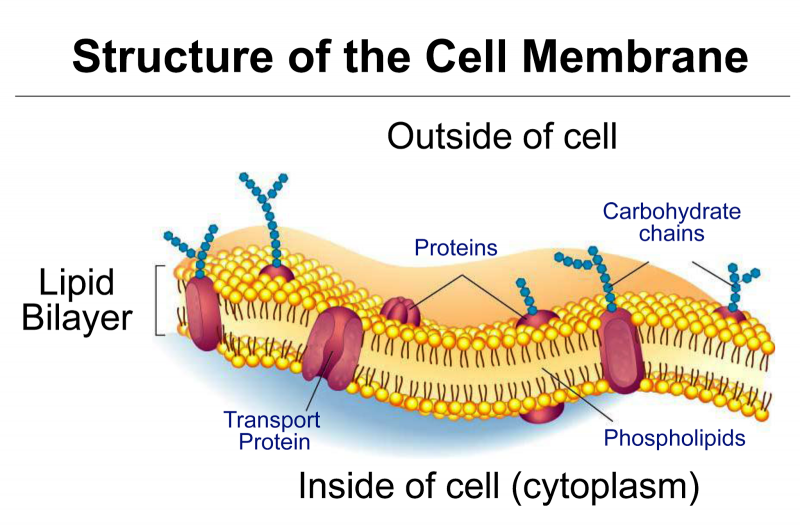
The cell membrane is otherwise called a Plasma membrane. It may be defined as the thin, elastic, semipermeable living membrane that serves…
OXIDATIVE PHOSPHORYLATION It is the main source of energy of our cell. Takes place in Mitochondria. Movement of protons through inner mitochondrial membrane leads…
Q1. What is the approximate percentage (in mass) of water in the human body? Is this percentage expected to be larger in…
Q1) Any attribute or descriptive phrase, referring to form, structure or behaviour of a specific organism for a particular purpose is: A)…
Q1) Enzyme is a Greek word which means: A) in virus B) in bacteria C) in fungi D) in yeast E) in…