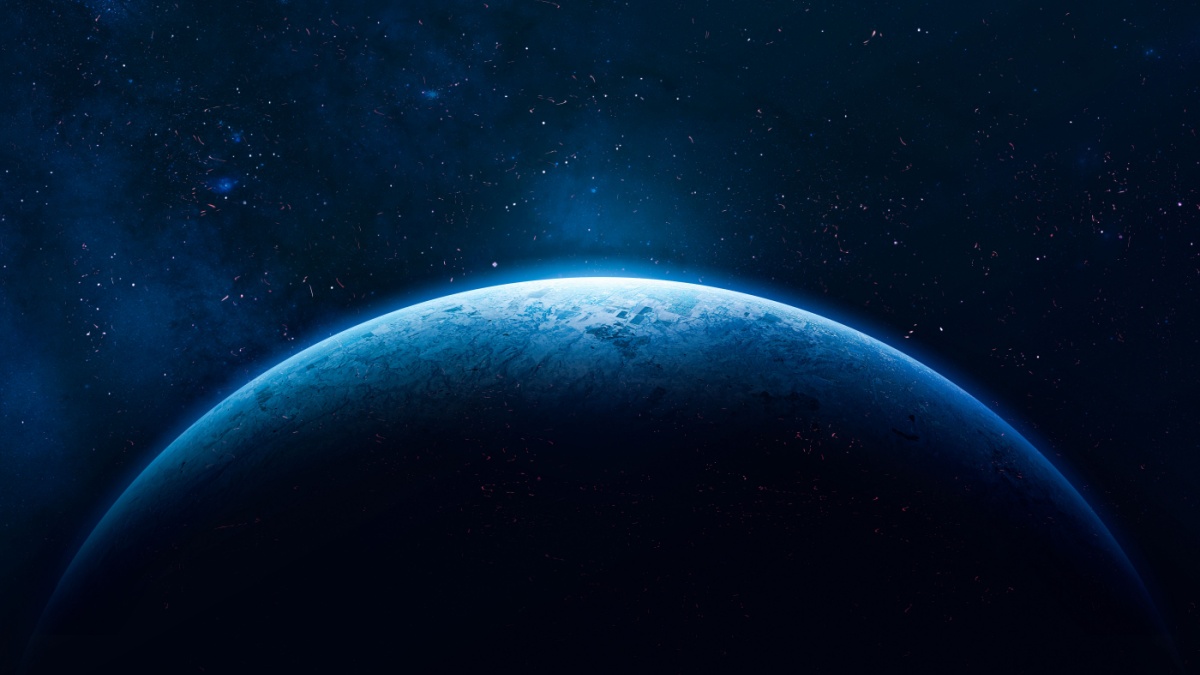
As the Sun ages, it grows brighter and expands. While it will eventually roast the Earth before swallowing it whole, new research indicates that complex life forms may be more resilient than previously thought.
Burning end
Observations of stars in a more advanced stage suggest that the Sun is slowly transitioning into a red giant phase. This transformation could lead to the vaporization of our planet in about five billion years, but Earth will become uninhabitable long before that. In terms of complex life, the plant biosphere -both aquatic and terrestrial -will likely be the last to disappear.
The survival of this biosphere largely hinges on atmospheric carbon dioxide levels, which are essential for photosynthesis.
Researchers state, “The greenhouse effect acts like Earth’s thermostat, maintaining surface temperatures within a livable range. As temperatures rise, CO2 is stored in rocks, which reduces its atmospheric concentration and allows some heat to escape.”
As our Sun expands, CO2 concentrations will become the main limiting factor for plant life. Previous studies indicated that if atmospheric CO2 drops below 10 parts per million, plants would vanish, leaving only microorganisms behind. These earlier models predicted this threshold could be crossed in about 1.35 billion years.
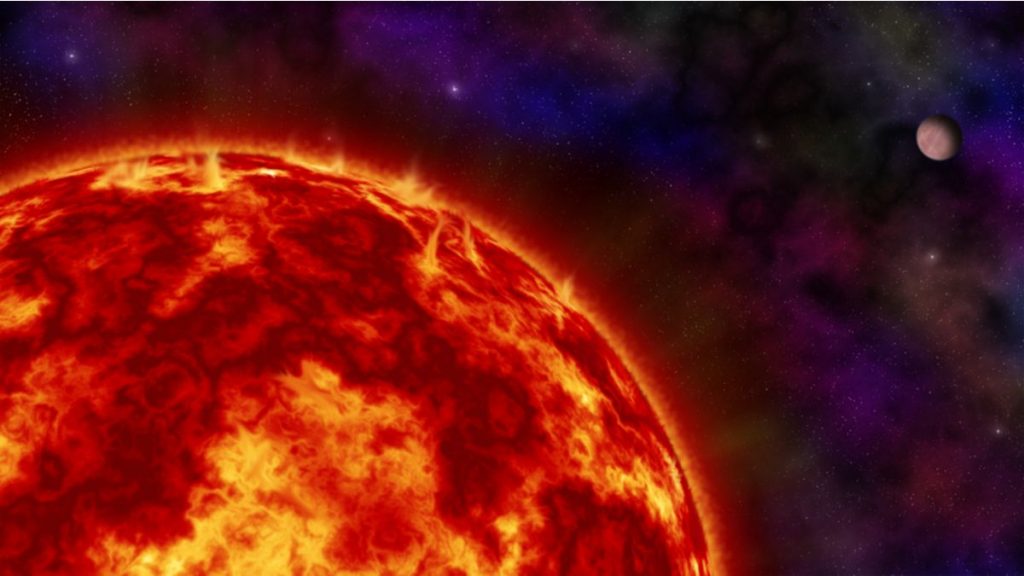
Vegetative biosphere lasting 1.8 billion years
The new simulations, which incorporate more complex parameters, consider a more efficient form of photosynthesis called Crassulacean Acid Metabolism, used by cacti and pineapples. This adaptation could lower the critical CO2 limit to just 1 part per million, potentially giving the biosphere an additional 500 million years before its extinction, which could occur in about 1.8 billion years.
While such timeframes may feel abstract, evolution and natural selection could further extend the survival of these organisms. Jacob Haqq-Misra, the principal author of the study, notes, “These organisms will have all the time they need to adapt to the gradual warming induced by the Sun’s expansion.”
Overall, these new projections suggest that the complex biosphere of our planet is still in its early stages, increasing the likelihood that we might one day find similar life forms on other worlds.
Earlier research indicated that the Earth’s atmosphere might lose its oxygen within just a few tens of thousands of years.