In 2009, researchers uncovered the fossilized remains of a fearsome prehistoric creature known as the megapiranha, which swam in the warm waters of South America 8 to 10 million years ago.
Megapiranha paranensis
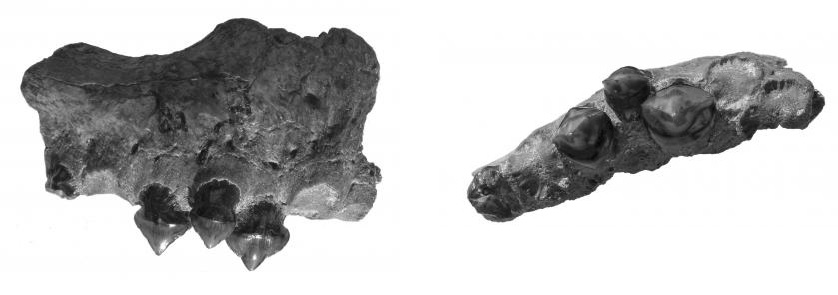
Discovered in Argentina’s Paraná geological formation early in the 20th century, the fossil of Megapiranha paranensis was identified in the 1980s from a fragment of its upper jaw. This specimen featured three massive, sharp teeth and was the subject of extensive research decades later. Paleontologist Alberto Cione and his colleagues observed that the teeth were arranged in a zigzag formation, striking a balance between the structure found in contemporary piranhas and that of related species with different diets.
“Modern piranhas have a single row of teeth, while pacus, which are primarily herbivorous, have two rows,” the researchers explained in their study published in the Journal of Vertebrate Paleontology.
Due to the limited evidence of M. paranensis, its size remains debated. The 2009 study suggested it could exceed one meter in length and weigh as much as a human, while more recent estimates place its size around 70 centimeters and its weight at approximately ten kilograms.
What is certain is that this giant piranha possessed a fearsome bite. Biomechanical simulations estimated a bite force between 1,240 and 4,749 newtons for M. paranensis, powerful enough to crush bones. At the upper estimate, involving a specimen weighing 73 kilograms, its bite exceeded that of a three-ton great white shark.
Powerful jaws
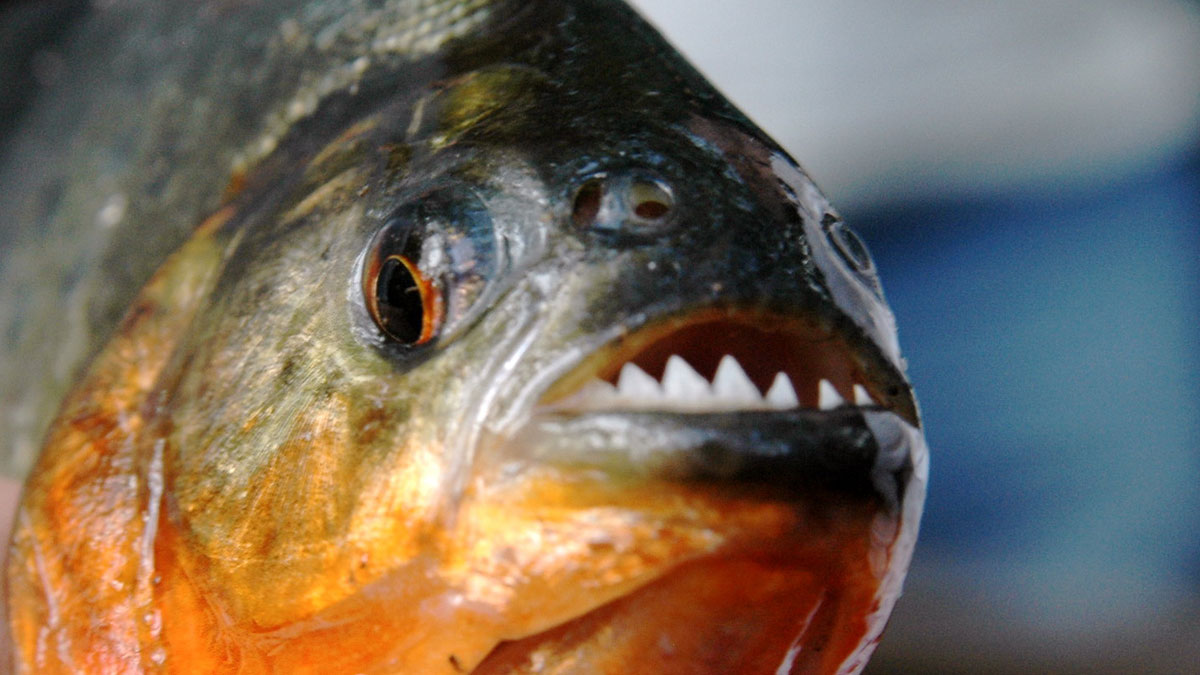
Even today, piranhas are renowned for their formidable bite. Primarily found in the Amazon and Orinoco basins, the species Serrasalmus rhombeus, weighing just over one kilogram, exhibits a bite strength of 320 newtons, the highest recorded for any modern bony fish.
This impressive capability is closely linked to its powerful jaw muscles, which make up more than 2% of its body weight.
Between 2 and 4 million years ago, South America was also home to the largest known rodent, which had a bite powerful enough to break a human femur.