What if the key to combating massive wildfires lies within landscapes we thought were outdated? An international study suggests that managed pastures, crops, and forests could serve as effective barriers against increasingly difficult-to-control Mediterranean fires.
The hidden fuel for wildfires accumulates silently over years
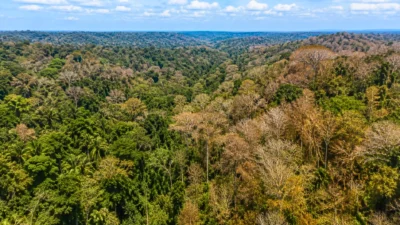
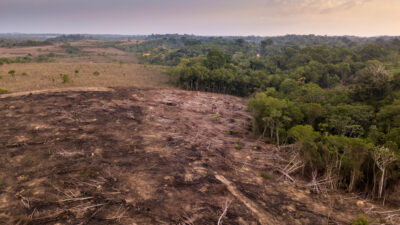
A massive wildfire does not simply spring from a spark and a scorching summer. It also requires vegetation, which can accumulate quietly for years. Over time, shrubs, dry grasses, and young trees can create an almost continuous carpet of fuel. With heat, drought, and wind, this landscape becomes a highway for flames.
This situation has worsened due to the abandonment of many rural areas. Once, herds, crops, and human activities maintained open spaces. Now, vegetation is gradually reclaiming the land. As a result, researchers are observing more uniform landscapes where fires face fewer natural barriers and rapidly gain intensity.
The stakes have become dramatic. According to the European Commission, 620,000 hectares had already burned in the European Union by August 25, 2026. This figure represents about twice the average experienced on that date between 2006 and 2025. Furthermore, France, Spain, and Italy are among the most affected countries.
Ten Mediterranean regions showcase alternative ways to keep flames at bay
Published in August 2026 in the scientific journal iScience, a study examined ten Mediterranean initiatives. Coordinated by the universities of Göttingen and Kassel, the authors propose a counterintuitive idea: altering the landscape long before the first flames arrive is more beneficial than waiting for a fire to strike.
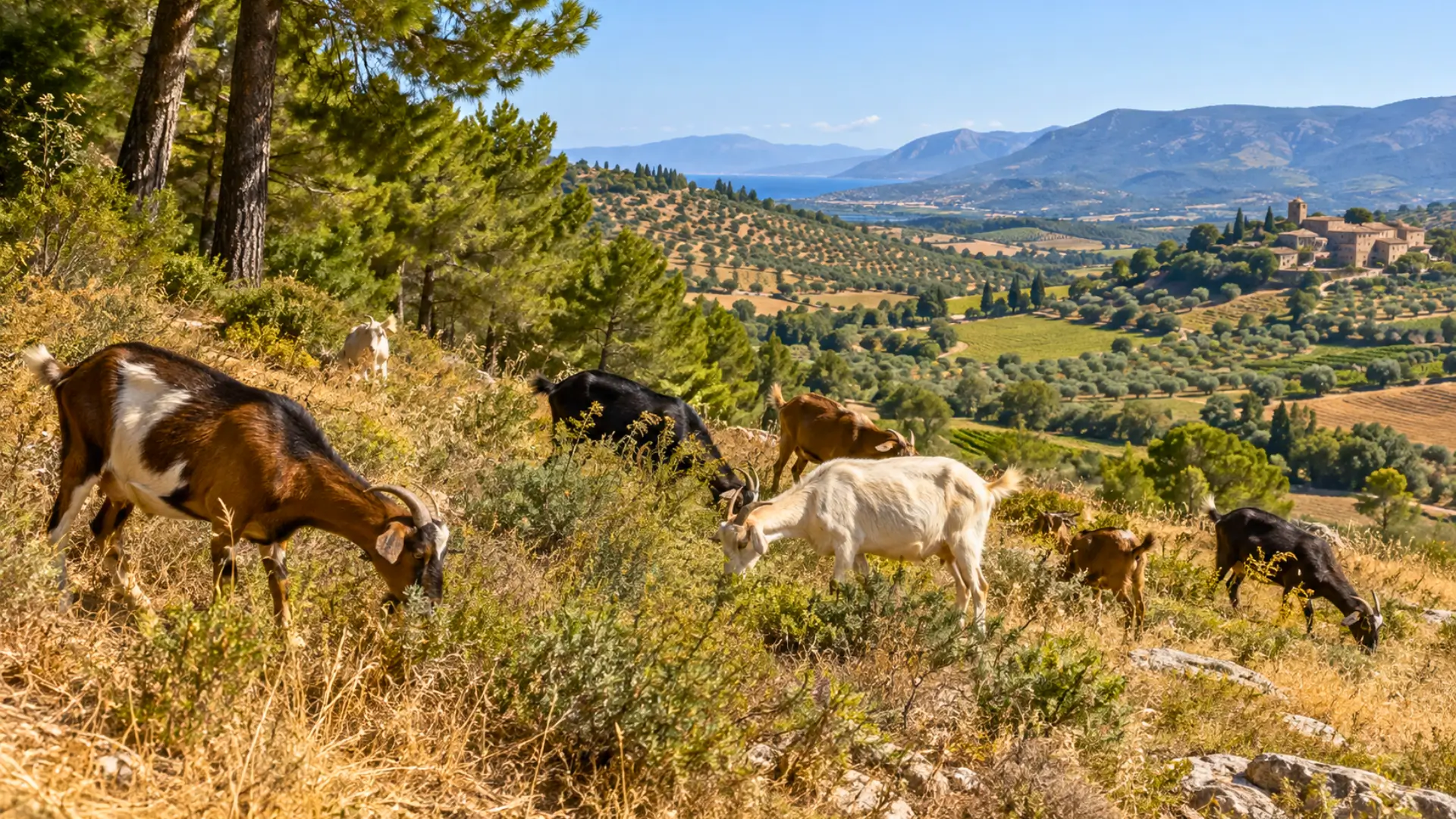
Some of these initiatives employ extensive grazing. Goats, sheep, and cattle consume part of the flammable biomass. Additionally, other projects combine agriculture, forestry, and controlled burns to maintain open spaces. The most promising approaches involve collaboration among farmers, scientists, local residents, associations, and firefighting services.
Goats, vineyards, and olive trees could create more vibrant firebreaks
The image may surprise you: a goat grazing on shrubs can play a role in preventing wildfires. However, this does not mean transforming every forest into a massive pasture. Instead, the strategy is to create a mosaic of landscapes where forests, meadows, crops, and grazed areas alternate. This diversity disrupts the continuity of flammable material.
Crops can also play a significant role. Well-maintained vineyards or olive groves contain less flammable vegetation than some abandoned lands. The European Commission emphasizes their potential benefits, noting that these areas can slow fires when integrated into a broader landscape strategy.
Grazing is already the subject of several European experiments. Projects backed by the LIFE program, for instance, utilize animals in vulnerable areas to reduce available grasses and shrubs for fire. In the Mediterranean basin, up to 500,000 hectares of forests can burn in some years. Hence, this age-old method takes on a modern relevance.
Fire prevention ultimately requires revitalizing entire rural landscapes
This approach redefines how we think about fire management. While firefighting aircraft, firefighters, and firebreaks remain essential, they often respond after a crisis begins. Researchers propose taking action months or years in advance to restore landscapes capable of naturally slowing flames.
A major challenge lies in the sustainable maintenance of these landscapes, which requires farmers, ranchers, funding, and local coordination. Thus, the fight against massive wildfires intersects with a broader question: what is the future of rural territories? Could protecting Mediterranean forests ultimately start with revitalizing the areas surrounding them?