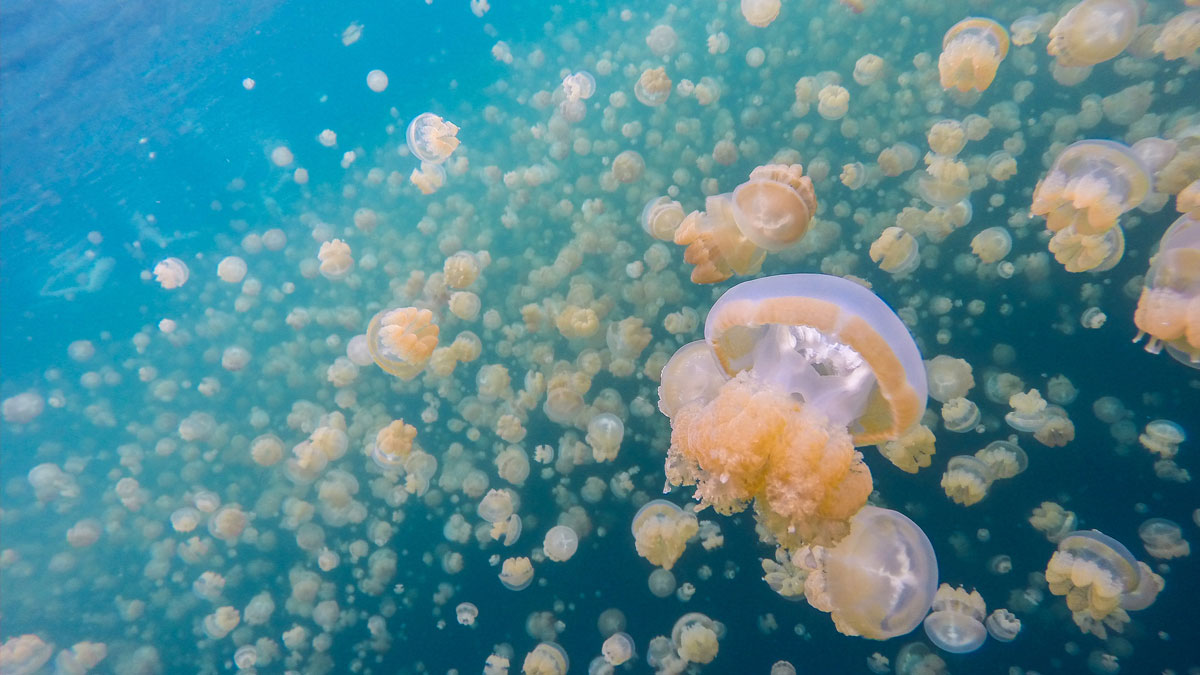
For the second consecutive year, the Gravelines nuclear power plant in northern France has had to curb operations and temporarily shut down some of its reactors due to the influx of jellyfish.
Spongy, organized, and punctual
On August 11, 2025, these spongy invertebrates obstructed the filters of the seawater intake systems critical for cooling operations. At that time, EDF announced the installation of new surveillance cameras and a partnership with the Sustainable and Responsible Fishing Association to help regulate their populations.
With alarming punctuality, they returned on August 10, triggering the automatic shutdown of two reactors while the output of a third was halved to prevent overheating. In a statement, EDF clarified that this massive influx of jellyfish posed no threat to the safety of the facilities or the staff.
Far from being an improbable annual protest against nuclear risks, these gatherings of cnidarians in vulnerable areas of power plants are closely linked to climate change.
While jellyfish blooms have long been a summer phenomenon, they are now exacerbated by overfishing, eutrophication (an excessive increase in nutrient levels in waters), habitat degradation, aquaculture, and rapidly rising ocean temperatures, all of which fuel higher reproduction rates.
A global threat
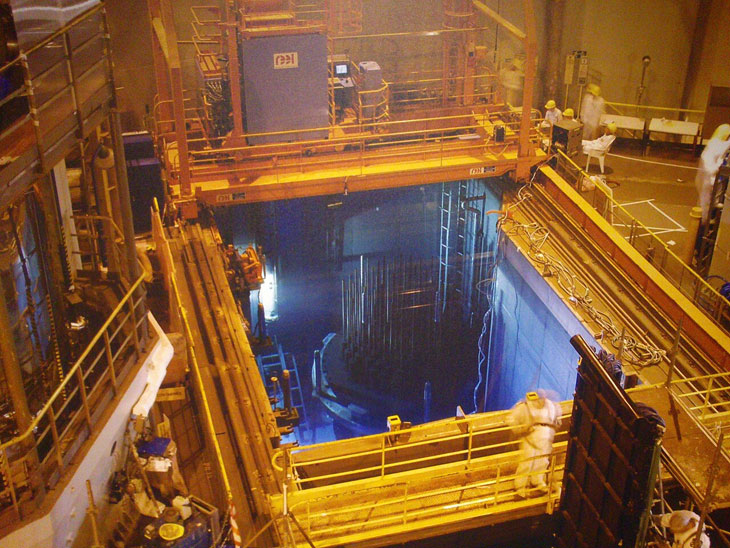
Currently, most nuclear power plants lack the necessary equipment to handle such large volumes of jellyfish, and they are not the only aquatic invertebrates capable of disrupting operations.
In 2021, salps, gelatinous organisms resembling small worms, forced a South Korean facility to halt two of its reactors while clearing its cooling systems.
For several decades, a different kind of bloom has been observed near a nuclear plant in Florida: American alligators invading its drainage canals.