In some rivers in Burgundy and the Rhône, fish species that once thrived in warmer waters are beginning to replace traditional inhabitants like trout and grayling. This subtle shift reflects a larger story, one that reveals a changing aquatic landscape across France.
Rising water temperatures blur the lines between northern and southern fish
For a long time, French rivers showcased a stable geography. Typically, cooler water species thrived upstream, while their heat-tolerant counterparts preferred the lower reaches. This division painted a picture of a seemingly unchanging ecosystem. However, as waters warm gradually, that boundary is beginning to dissolve.
In the upper Rhône, near Bugey, measurements have revealed a rise of around 1.5 °C over the past two decades. While this number might seem modest in human terms, it translates into significant changes for fish, affecting their respiration, reproduction, and even feeding habits. Most importantly, their movements are dictated by a narrow thermal window that can be unforgiving.
Species like spirlin, bouvière, and barbel signal shifts in river ecosystems
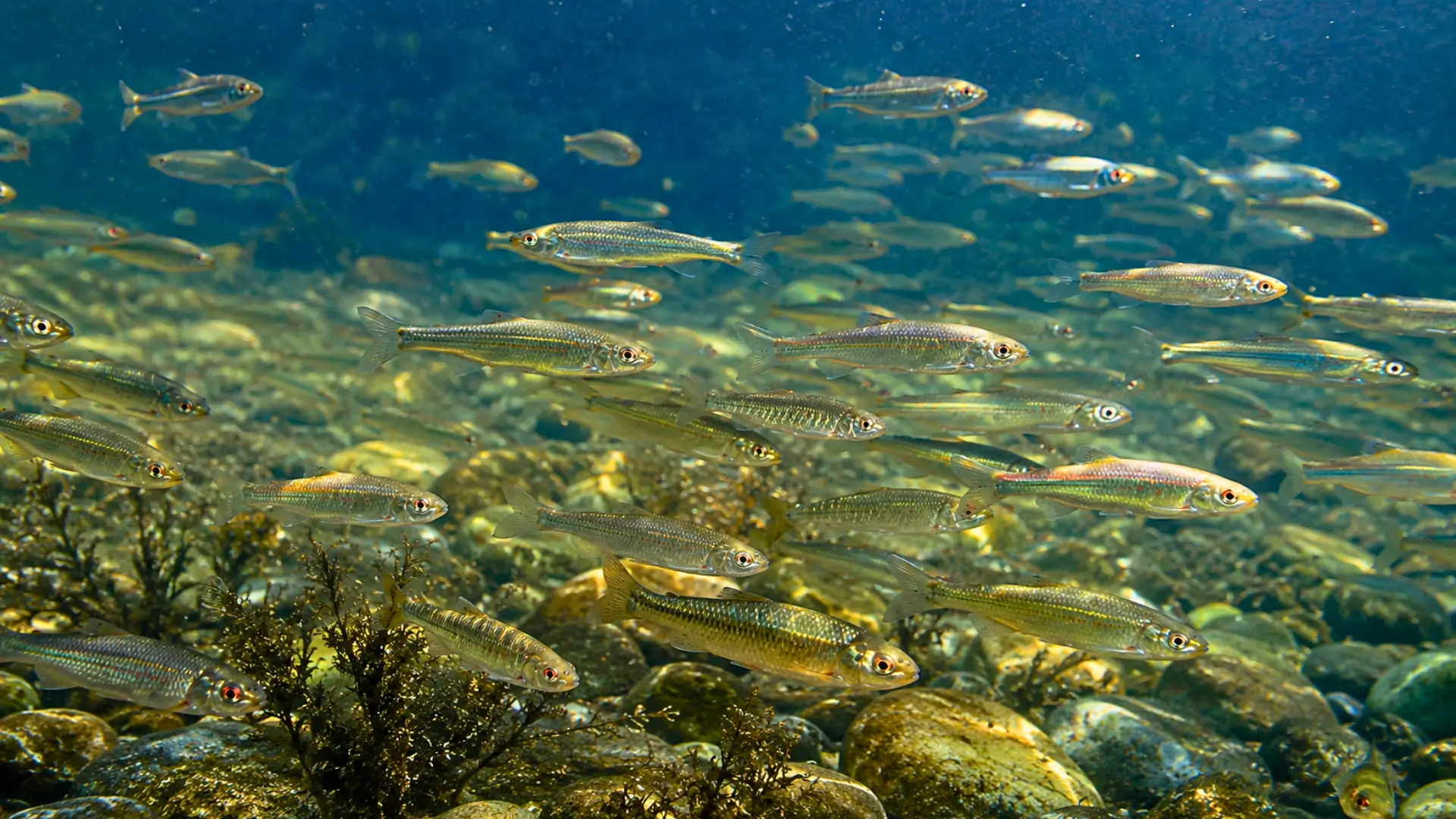
This transformation is not a dramatic spectacle. Instead, it unfolds through the presence of discreet species that often fly under the radar. Species like spirlin, bouvière, vandoise, and barbel are now moving higher into the river basins. Anglers who once sought out brown trout now find themselves encountering a host of southern species.
Fish population studies along the Rhône indicate an increase in smaller species such as spirlin and bouvière. This detail is crucial. In aquatic ecosystems, the first signs of change do not always come from iconic large fish; often, they are evident among more modest species that respond quickly to shifting conditions.
Moreover, the river’s delta is no longer performing its traditional role. Fish typically associated with brackish or marine waters, usually found in the Camargue, are now using the river as a migration corridor. The Rhône is evolving into an ecological highway, with southern species testing new territories made accessible by warming waters.
Trout struggles give way to hardier species in warmer waters
The most striking image may be that of the struggling brown trout. This species requires cool waters to complete its life cycle. However, as summers elongate, the severity of low water levels increases, and available oxygen diminishes. Gradually, this fragile habitat is under threat. It’s not just a matter of discomfort; it jeopardizes the brown trout’s local survival.
Nature is not one to leave vacancies unfilled. As cold-water fish retreat, heat-tolerant species swiftly take their place. These newcomers often better withstand low river flows. Thus, warming does not act in isolation; it compounds issues of reduced water flow, prolonged droughts, and river fragmentation, accelerating a transformation that is already in progress.
From the Rhône to the Seine, gobies and other newcomers reshape riverine ecosystems
Among the newcomers, the black-spotted goby deserves special mention. Hailing from the Pontocaspian region, this small opportunistic fish has taken advantage of major European river systems to make its westward advance. It has already colonized the Rhine, Moselle, and Rhône, and more recently, it reached the Seine basin.
Its success symbolizes more than just a biological invasion. The goby can thrive under various conditions, inhabiting both freshwater and brackish environments, and benefits from disturbed habitats. Thus, as rivers warm and simplify, flexible species like the goby often prevail, while more specialized fish retreat, sometimes without notice.
This upheaval isn’t limited to France alone. Studies across several major rivers have noted a significant increase in southern and thermophilic fish species over a span of 15 to 25 years. In other words, beneath the surface, a new map of France is being drawn. The pressing question is not whether it is changing, but how far this shift will extend.