How did a regulation aimed at curbing a Louisiana species end up being overturned by the courts due to concerns about speeding up its spread? In the ponds of Brenne, this incident reveals a much larger story of ecological conflict that has grown increasingly complex.
A regulation designed to curb the invasion has been annulled due to lack of consultation
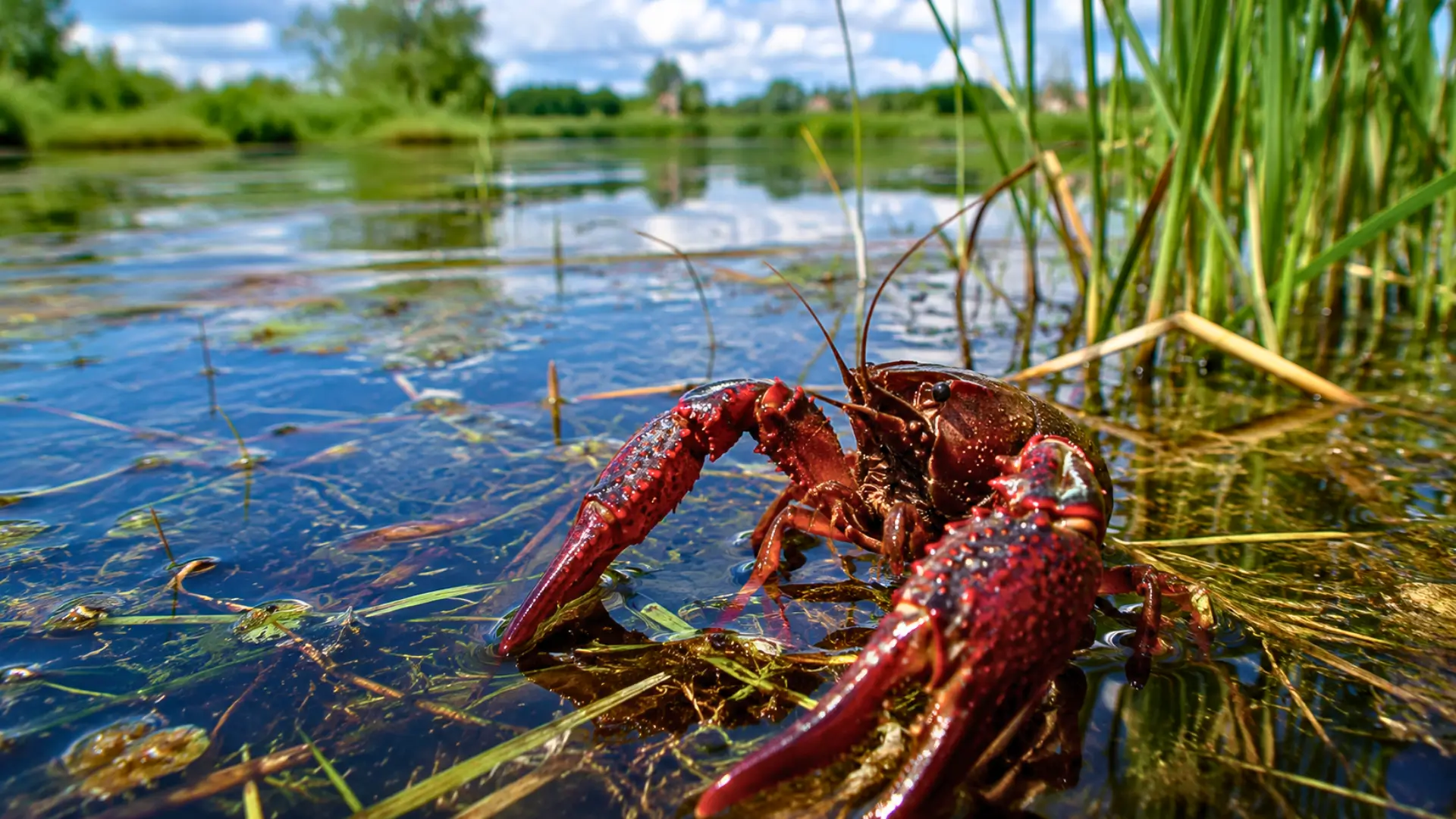
In the spring of 2024, authorities in Indre believed they had found an elegant solution: convert the rampant Louisiana red crayfish into a resource. The proposed regulation would allow the capture, transportation, and utilization of this aquatic pest, which had already been deemed a nuisance in Brenne.
On the surface, the plan was appealing. Licensed fish farmers would collect the crayfish, and local companies would process them, thus allowing nature to breathe a little easier. However, in January 2026, the administrative court in Limoges struck down the regulation. The reason was stark and almost brutal: the authorities had failed to conduct any public consultation, overlooking significant environmental stakes.
This oversight revealed a deeper flaw than a mere procedural lapse. The judges dismissed the urgency argued by the authorities and pointed out that the species had been present in the region for nearly twenty years. After such a time period, administrative improvisation felt more like a gamble than an effective response.
The commercialization of catches could promote species reproduction
The Louisiana red crayfish is not merely an invader; it disrupts the ecosystem by eating vegetation, destabilizing food chains, preying on tadpoles and fry, and weakening levees with its burrows. Additionally, it carries the deadly crayfish plague, threatening local species. In a landscape like Brenne, the damage can quickly become severe and profound.
Ironically, among the opponents of the regulation were the local fishing federation and the organization Indre Nature. Their concerns went beyond simply avoiding further spreading; the commercial approach might encourage the capture of larger individuals while leaving the breeding stock intact, thereby perpetuating the crayfish population.
Furthermore, regional scientific opinions highlighted the risk of boosting the local population. A poorly designed method could unintentionally support the invasion, revealing the ecological cruelty of the case: with certain invasive species, a misguided solution doesn’t just miss the target but can actively aid the species in flourishing.
In Brenne, years of intensive trapping have not contained the invasion
However, this story began well before the regulation was proposed. Reports of the Louisiana red crayfish in Brenne date back to 2007. By 2009, the regional natural park initiated a trapping and eradication program. The numbers are staggering, with over 500,000 individuals captured and destroyed over the years across hundreds of monitored ponds.
Yet, victory has never truly arrived. Experiences shared by the regional natural park and the French Office for Biodiversity suggest that while trapping may slow expansion -especially when it is intensive and coordinated -it does not lead to eradication. In some areas, the species may recede locally, but overall, it continues to spread.
This relentless spread tells a broader story about biological invasions. An adapted and fertile species that benefits from a network of ponds operates much like an army in conquered territory. Each operation must therefore be designed at the scale of the watershed, emphasizing monitoring, control, and caution. Otherwise, the effort may create only an illusion of control, which can be the most dangerous outcome of all.
After the annulment, the state must rethink its strategy without exacerbating the problem
As of now, the court ruling does not erase the underlying issue. It blocks one method without halting the invasion itself. The government must compensate the plaintiffs while indicating its intent to reopen discussions with fish farmers, associations, and regional technical and scientific services.
Ultimately, in the murky waters of Brenne, the Louisiana red crayfish presents a stubborn truth. Biological invasions cannot be resolved through reflexive actions or catchy slogans. They require a delicate balancing act between immediate effectiveness and long-term stability. In Indre, the question remains: should trapping be intensified, restoration approaches be altered, or should the battle against this invader be waged over the long haul?