On the surface, it may seem like just an administrative announcement. However, the establishment or expansion of nine forest biological reserves raises a much larger question: what happens when a country decides to allow certain areas of its forests to thrive without human intervention, or nearly so?
Protecting a forest also means preserving centuries of natural evolution
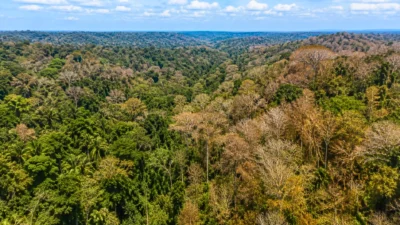
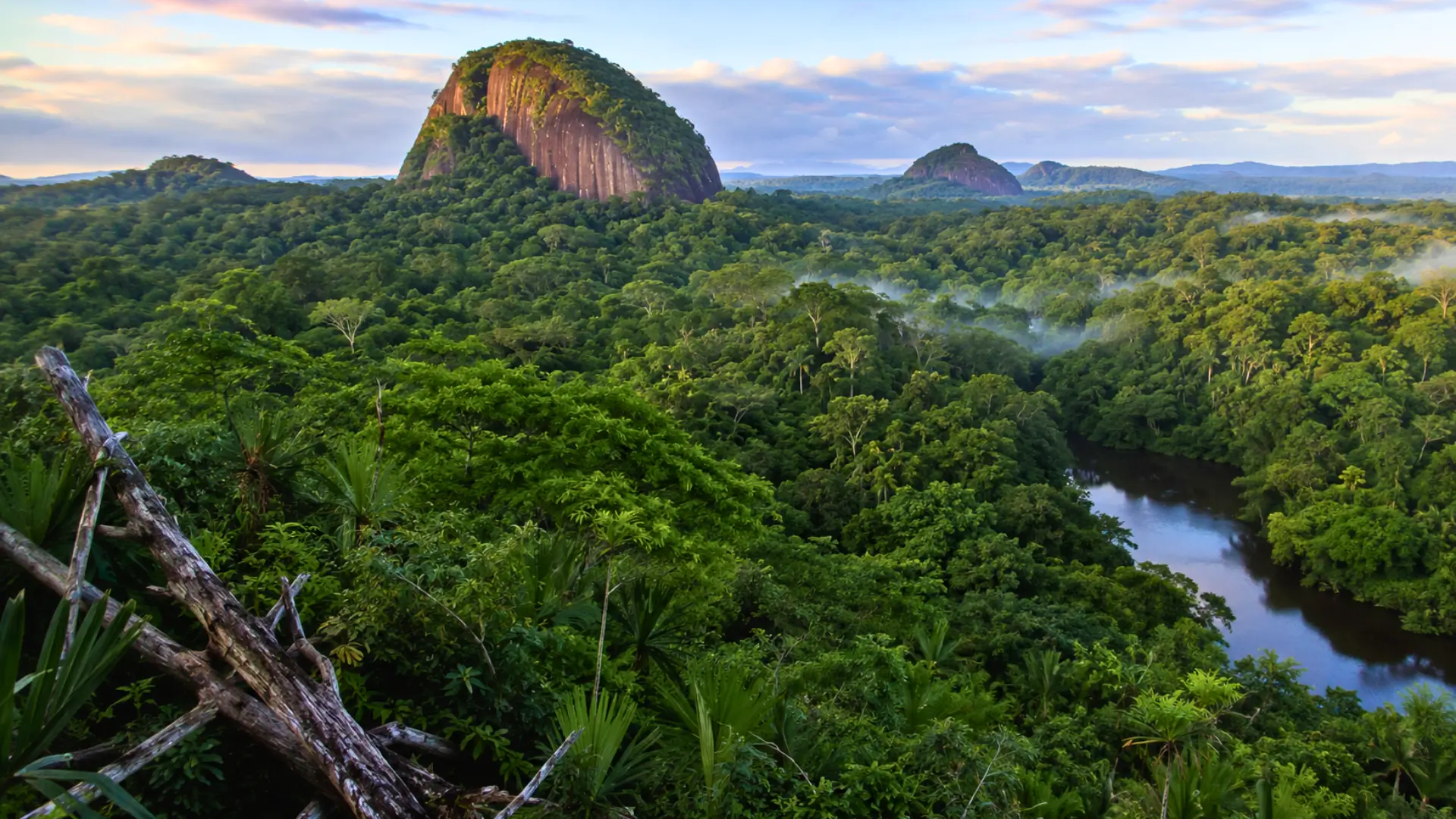
The figures are striking: 157,000 additional hectares are now under enhanced protection, according to the Ministry of Ecological Transition. Central to this initiative is the Armontabo reserve in French Guiana, which alone accounts for 156,290 hectares of now-protected tropical forest and granite inselbergs. This initiative is not just a small patch of green; it marks a significant shift in environmental policy.
In an integral biological reserve, the forest is no longer merely a backdrop. It is also not a resource to be optimally managed. Instead, it transforms into a world allowed to evolve freely, observed over time. Fallen trees, natural clearings, vines, mushrooms, and slow-moving rivers -all the seemingly chaotic elements of this ecosystem gain crucial ecological value, a kind of triumph over the obsession with control.
From Guiana to the Vosges, nine reserves showcase the diversity of French forests
This announcement goes beyond the realm of the French Amazon. It highlights lesser-known sites that are equally vital for biodiversity, such as Bannes-Ravines in the Vosges, Chamalière-Peyre-Ourse in Cantal, Chatte-Pendue in Bas-Rhin, and the Jumelles d’Ornes and Vau des Loups in Meuse. Each name evokes the charm of a vintage geography book.
While these areas may seem tiny compared to the vastness of Guiana, even 83 hectares in Seine-et-Marne or 100 hectares in Meuse can significantly impact local biodiversity. For instance, an old suburban broadleaf forest, an ancient wood-rich massif, or an altitude beech forest often serve as living archives -slow, fragile, and irreplaceable.
This varied geography further tells an unexpected national story. France’s forests are not a singular green expanse. They consist of Mediterranean forests, alpine spruce forests, wetland areas, and humid tropical forests. By also expanding the directed reserve of the Somail peat bogs, the state underscores a simple notion: effective protection sometimes requires a hands-off approach and, at other times, careful intervention.
Integral and directed reserves: two protections transforming forest life
The core principle here is straightforward: reduce human pressures in the most valuable ecosystems. The National Forestry Office recognizes two models for this. The integral biological reserves allow natural processes to unfold, while directed reserves involve active management to protect sensitive habitats or species.
This distinction makes a tangible difference in practice. A forest left undisturbed maintains more old trees, cavities, moisture, dead wood, and microhabitats. These features are precisely what insects, cavity-nesting birds, mosses, bats, and many other discreet organisms seek. Ultimately, protection alters how life circulates, hides, and reproduces within these forests.
With 157,000 hectares protected, France accelerates its efforts but still falls short of its target
This decision comes amid a less comfortable backdrop than it appears. As of June 2026, the Ministry reports that France has achieved 6.43% of its terrestrial territory under strong protection, up from 6.2%. However, the official goal remains far more ambitious: 10% by 2030. This commitment aligns with the national biodiversity strategy and reflects the ongoing efforts stemming from COP15.
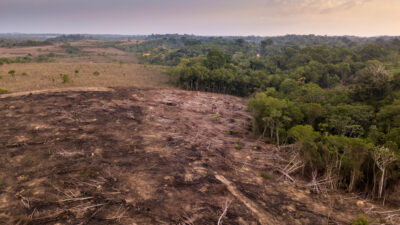
In essence, while this announcement is significant, it does not mark an endpoint. It illustrates that the battle now lies between political acceleration and ecological latency. An ancient forest does not regenerate at the pace of a political term; it requires decades of continuity, sometimes centuries. Meanwhile, climatic pressures, diseases, and fragmentation advance at a much faster rate.
The most intriguing detail may be this: protecting a forest is not just about saving trees. It involves accepting the need to preserve invisible processes, slow successions, and balances whose benefits might not be immediately apparent. In an age where everything must produce and yield returns, these reserves tell a different story. Some treasures hold value simply because they endure.