Us aims for 400 gW by 2050 with underwater nuclear reactors
Washington is making a significant leap forward in modernizing its electrical grid. Official agreements now regulate the establishment of marine nuclear reactors in federal waters, aiming to expedite…
Continue →
Plants adapt to drought by using a unique photosynthesis strategy
Under the blazing sun, some plants continue to produce sugars while losing significantly less water than their neighbors. Their secret lies in a remarkable variant of photosynthesis, evolved…
Continue →
How water scarcity alters flower scents and its impact on pollinators
A flower deprived of water doesn’t just wither away. Before its petals show any signs of stress, its chemistry begins to change. This transformation impacts its scent, leading…
Continue →
Orcas sink another ship off the coast of Spain
The saga continues. Almost a year after the last reported incident, orcas have resumed targeting boats off the Iberian coasts, prompting rescues of affected individuals. The return of…
Continue →
Innovative approach to rhinoplasty offers exciting possibilities
The field of nose surgery is evolving rapidly with innovative techniques that promise greater precision and comfort for patients. A notable evolution in nose surgery Rhinoplasty has traditionally…
Continue →
A blood test can predict dementia decades before symptoms appear
Recent research has revealed a strong link between elevated levels of a certain hormone and a significantly higher risk of developing dementia, paving the way for early detection…
Continue →
Mapping aerial rivers in South America reveals the source of rainfall
What if part of the rain that falls on South America traveled through an immense invisible network high above the forests and mountains? A new map reveals how…
Continue →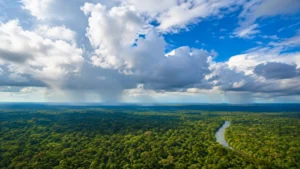
Smoke may linger long after a fire, leaving air quality at risk
The flames have faded, the sky has returned to blue, and the scent of smoke dissipates. But can we really breathe easy? After major wildfires, microscopic particles linger…
Continue →
Fog hosts microbial life that metabolizes air pollutants
The air we breathe is teeming with countless microorganisms, so it is no surprise that some of them can also be found in fog. Recent research has provided…
Continue →
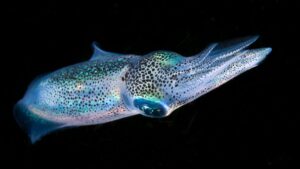
Ocean acidification is shrinking squid brains
The rising levels of CO2 in the atmosphere are causing ocean acidification, significantly impacting marine life, as shown by recent studies on squids. A very real threat Cuttlefish…
Continue →