
Animal Tissue
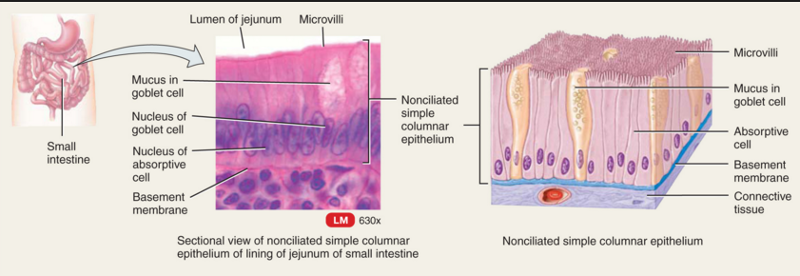
As mentioned earlier, cells are the smallest units of life. In complex organisms, cells group together with one another based on similar structure and function to form tissues. Tissues provide the numerous functions of organs necessary to maintain biological life. This lab exercise seeks to introduce the various tissues found in the human body and […]
CELLULAR RESPIRATION
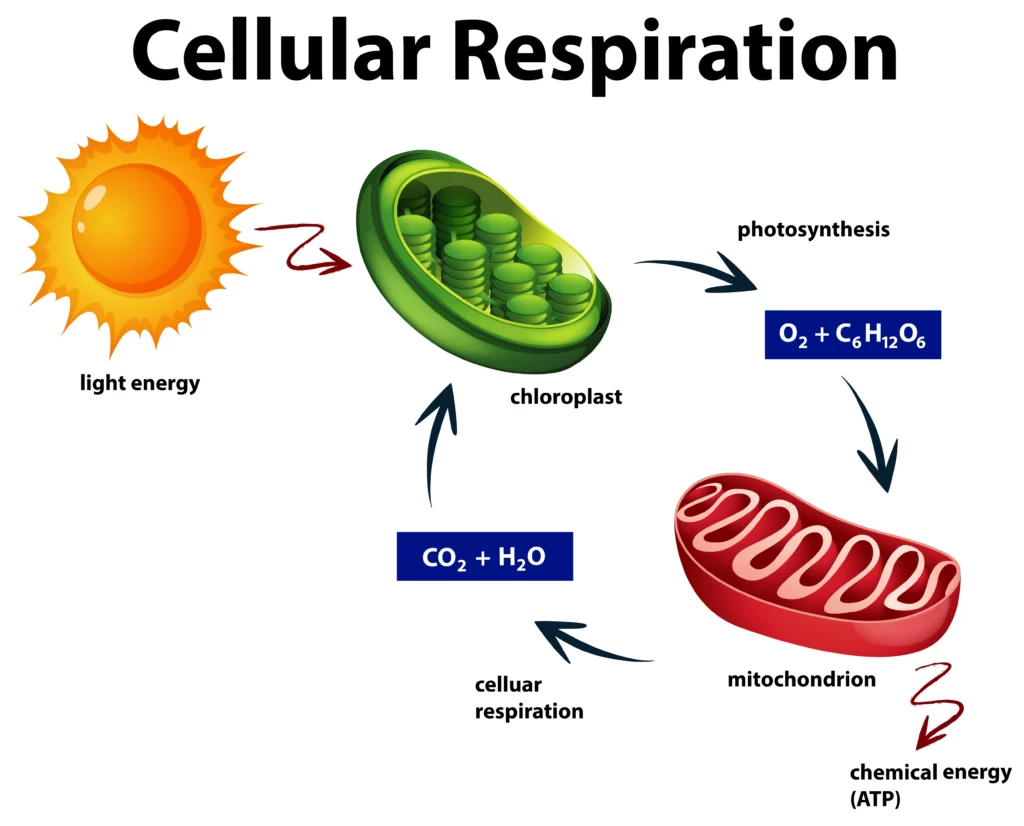
Cellular respiration is a fundamental biochemical process that occurs in all living cells, from the tiniest bacteria to the most complex multicellular organisms. It is the means by which cells convert organic molecules, primarily glucose, into adenosine triphosphate (ATP) – the universal currency of cellular energy. This intricate and highly regulated metabolic pathway is essential […]
COENZYMES
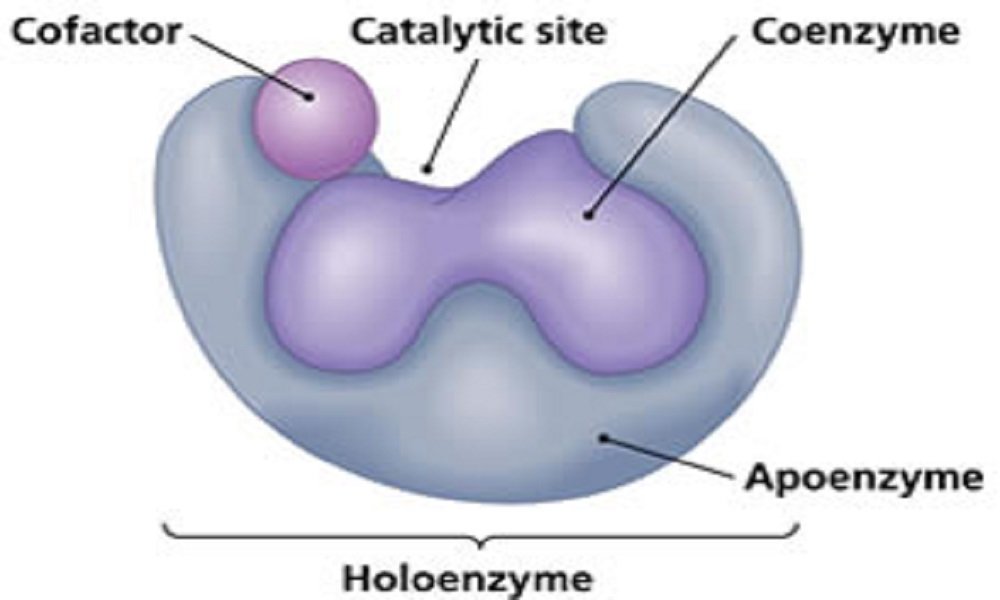
Enzymes may be simple proteins or complex enzymes. A complex enzyme contains a non-protein part, called a prosthetic group (co-enzymes). Coenzymes are heat stable low molecular weight organic compound. The combined form of protein and the co-enzyme are called as holo-enzyme. The heat labile or unstable part of the holo-enzyme is called as apo-enzyme. The […]
Glycolysis Pathway
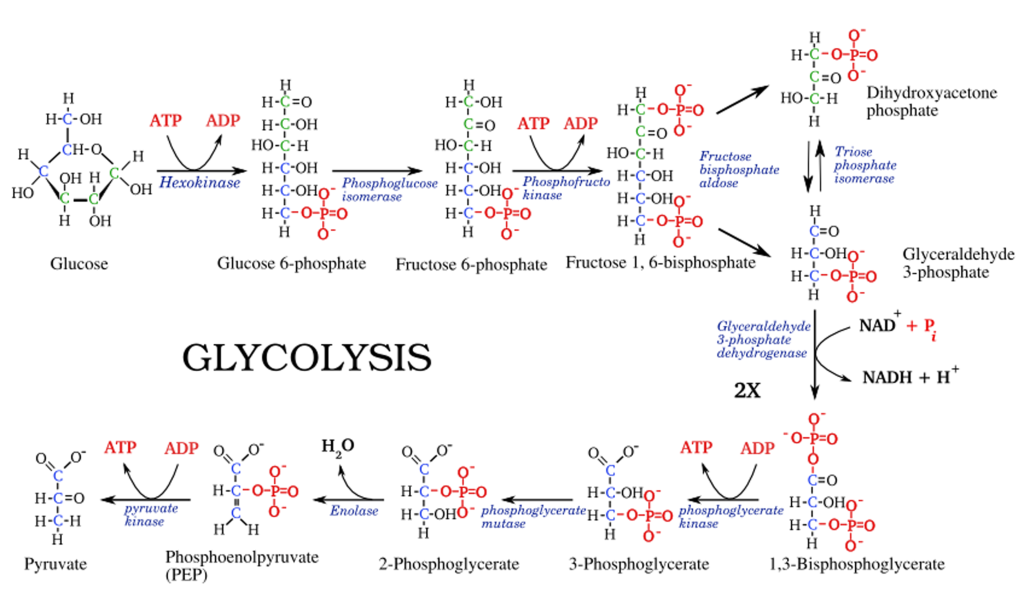
Glycolysis is a crucial metabolic pathway found in all living cells, serving as the initial step in the breakdown of glucose to produce energy. This ancient and highly conserved process occurs in the cytoplasm and plays a central role in both aerobic and anaerobic respiration. In this note, we’ll delve into the details of glycolysis, […]
Immunity
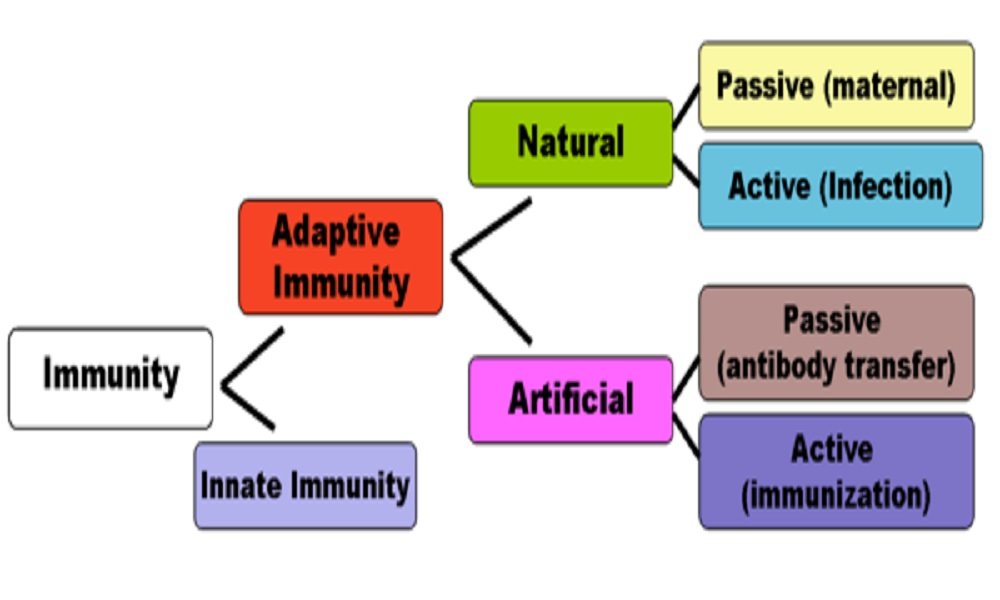
Immunity is the ability of an individual host to resists development of disease and allergy even after having received an infective dose of the pathogen with complete virulence and the various allergens.Immune system is the system of animal body which protects it from various pathogens / infectious agents/allergens and cancerImmunology is the science of development […]
Rh Factor and How it Works
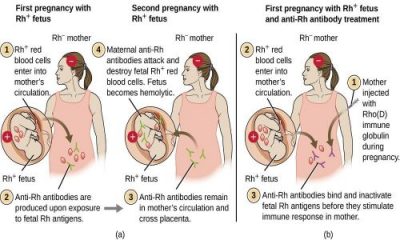
We know that people have different blood types. What this means is some people have one “factor” and some don’t. Some have A, and some have B, and some don’t have either. We call them type A, B and O (think of “zero” if it helps). If you needed a blood transfusion you would have […]
Biological Classification
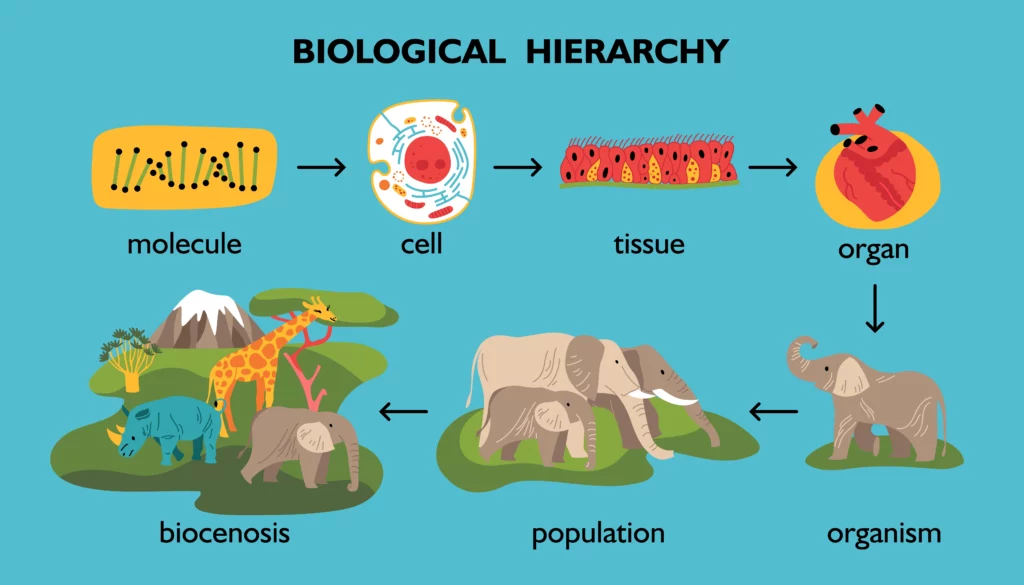
Biological Classification: Understanding the Diversity of Life In the vast tapestry of life that envelops our planet, organisms of all shapes, sizes, and functions coexist. From the towering trees of the rainforests to the microscopic bacteria hidden in the soil, every living entity has a place and role in the intricate web of life. This […]
Diversity in the living world

Exploring the Intricacies of Life’s Diversity: A Holistic View of Living Organisms Life emerges as a symphony of molecules, each expressing itself through metabolic reactions, fostering growth, development, responsiveness, adaptation, and reproduction. Distinctive attributes set living beings apart from non-living entities, shaping the intricate landscape of biological taxonomy. Diverse Characteristics of Living Beings Metabolism: Metabolism, […]
WHAT IS CELL?
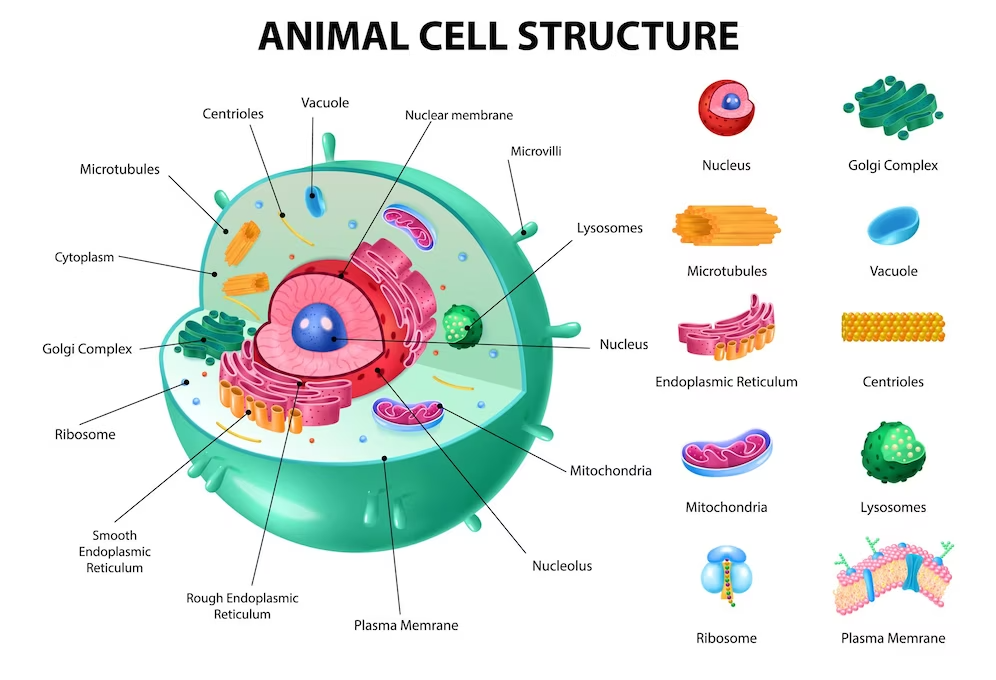
A cell is the basic structural, functional, and biological unit of all living organisms. It is the smallest unit of life and serves as the building block of all living things. Cells are incredibly diverse in terms of their structure and function, yet they all share common characteristics that define them as cells. Here are […]