
In a world where the most extraordinary sights often dominate our attention, it’s easy to overlook the microscopic wonders that exist all around us. However, these wonders, known as microorganisms, play a vital role in shaping our planet’s ecosystems, human health, and even the global climate. In this blog post, we will embark on a fascinating journey to uncover the hidden universe of microorganisms and understand their profound impact on our lives.
The Microscopic World Unveiled
What Are Microorganisms?
To begin our exploration, let’s first define what microorganisms are. Microorganisms, often referred to as microbes, are tiny living organisms that are invisible to the naked eye. This diverse group includes bacteria, archaea, viruses, fungi, and protists. Despite their small size, microorganisms are incredibly diverse and have colonized nearly every environment on Earth, from deep-sea hydrothermal vents to the upper atmosphere.
The Diversity of Microorganisms
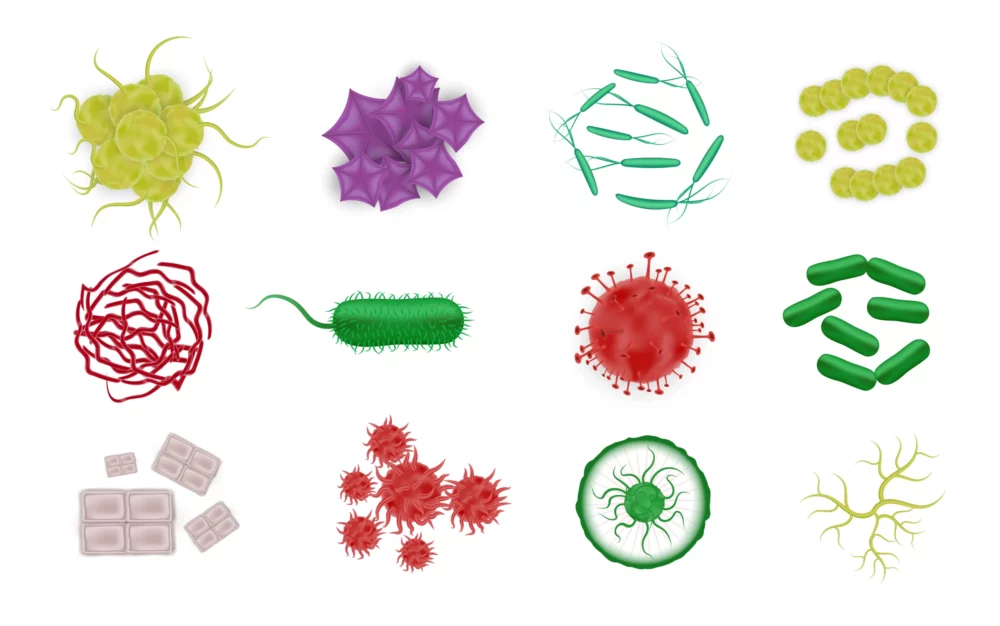
Now that we’ve introduced microorganisms, it’s crucial to delve into their remarkable diversity. Microorganisms come in various shapes, sizes, and forms. For instance, bacteria can be shaped like rods, spheres, or spirals, while fungi form intricate networks of threads called mycelium. Each type of microorganism possesses unique characteristics and adaptations that enable them to thrive in specific environments.
The Role of Microorganisms
Environmental Stewards
Moving forward, let’s explore the vital roles microorganisms play in our environment. Microorganisms act as environmental stewards by participating in essential processes such as nutrient cycling, decomposition, and soil formation. Without their tireless efforts, life as we know it would be unsustainable. Microbes break down organic matter, release nutrients, and ensure that ecosystems remain in balance.
Human Health and Microbiome
Transitioning to their role in human health, microorganisms are instrumental. The human body hosts trillions of microbes collectively known as the human microbiome. These microbes play a multifaceted role in digestion, protection against harmful pathogens, and even influencing our mental well-being. Continual research reveals new connections between the microbiome and various health conditions, underscoring the significance of these unseen inhabitants.
Microorganisms and Technology
Biotechnology and Medicine
Microorganisms are not just limited to the natural world; they have also left their mark on biotechnology and medicine. Microbes are harnessed to produce antibiotics, enzymes, and other pharmaceuticals. Moreover, advances in genetic engineering empower scientists to leverage microbes in the creation of sustainable biofuels and the cleanup of environmental pollutants.
Microbes in Research
In the realm of scientific research, microorganisms are indispensable tools. Their pivotal role in understanding fundamental biological processes, genetics, and evolution cannot be overstated. Furthermore, microorganisms serve as model organisms in laboratory studies, enabling scientists to make groundbreaking discoveries.
In conclusion, the world of microorganisms is a realm of endless fascination and discovery. These unseen wonders, despite their diminutive size, wield immense power and influence over our planet’s ecosystems, our health, and the future of technology. As we continue our journey to explore and understand the hidden universe of microorganisms, we gain a deeper appreciation for the interconnectedness of all life on Earth. So, the next time you gaze at the world around you, remember that there is much more to see than meets the eye—there are unseen wonders waiting to be explored.