
In the vast tapestry of life on Earth, Kingdom Monera stands as a remarkable and often underestimated realm. Comprising some of the tiniest yet most impactful organisms on the planet, this kingdom is teeming with diversity and significance. In this blog, we will explore the captivating world of Kingdom Monera, its defining characteristics, diversity, and its essential role in shaping the world as we know it.
Kingdom Monera: What is it?
Kingdom Monera, one of the five kingdoms used in biological classification, represents the prokaryotic microorganisms, which include bacteria and archaea. These organisms are characterized by their simplicity in structure, lacking a true nucleus and membrane-bound organelles, such as mitochondria and chloroplasts. Despite their small size and seemingly straightforward organization, the members of Kingdom Monera are both versatile and vital.
Key Characteristics
Prokaryotic Cells: The defining feature of Kingdom Monera is the prokaryotic cell structure. These cells lack a defined nucleus and possess a singular circular chromosome. They also lack membrane-bound organelles.
Unicellular: Most Monera organisms are unicellular, which means they consist of a single cell. However, they can form multicellular colonies under certain conditions.
Diversity: Monera exhibits incredible diversity, encompassing a vast array of shapes, sizes, and metabolic capabilities.
Reproduction: Monera reproduces asexually through processes such as binary fission, which results in the splitting of one cell into two identical daughter cells.
Metabolic Versatility: Monera includes organisms with diverse metabolic strategies, from photosynthetic cyanobacteria to the chemosynthetic archaea found in extreme environments.
Diversity
It is a world of tiny giants, with diverse members playing crucial roles in our ecosystems. Some of the notable groups within this kingdom include:
Bacteria: Bacteria are among the most well-known members of Kingdom Monera. They can be found in nearly every environment on Earth, from the human gut to deep-sea hydrothermal vents.
Archaea: Archaea are often found in extreme environments, such as hot springs, acid mine drainage, and deep-sea hydrothermal vents. They are known for their ability to thrive in harsh conditions.
Cyanobacteria: Also known as blue-green algae, cyanobacteria are photosynthetic prokaryotes responsible for producing a significant portion of Earth’s oxygen.
Actinomycetes: These bacteria are well-known for their ability to produce antibiotics, such as streptomycin and tetracycline, which have revolutionized medicine.
The Importance of Kingdom Monera
Although often unseen, It plays an indispensable role in our world:
Nutrient Recycling: Bacteria in Kingdom Monera are vital for breaking down organic matter and recycling nutrients in ecosystems.
Biotechnology: These microorganisms are used in biotechnology for various applications, including the production of insulin and enzymes for laundry detergents.
Food Production: Lactic acid bacteria, a type of Monera, are used in fermenting foods like yogurt, cheese, and sauerkraut.
Nitrogen Fixation: Some bacteria in Kingdom Monera, like rhizobia, form symbiotic relationships with leguminous plants, helping them fix nitrogen from the atmosphere.
Monera organisms may be microscopic in size, but their impact on our planet is colossal. The simplicity of its prokaryotic cells belies the complexity of its diversity and ecological significance. From recycling nutrients to aiding in food production and medicine, Monera organisms are the unsung heroes of the microbial world. Understanding and appreciating the critical role they play in the grand tapestry of life is essential for grasping the intricate web of life on Earth.
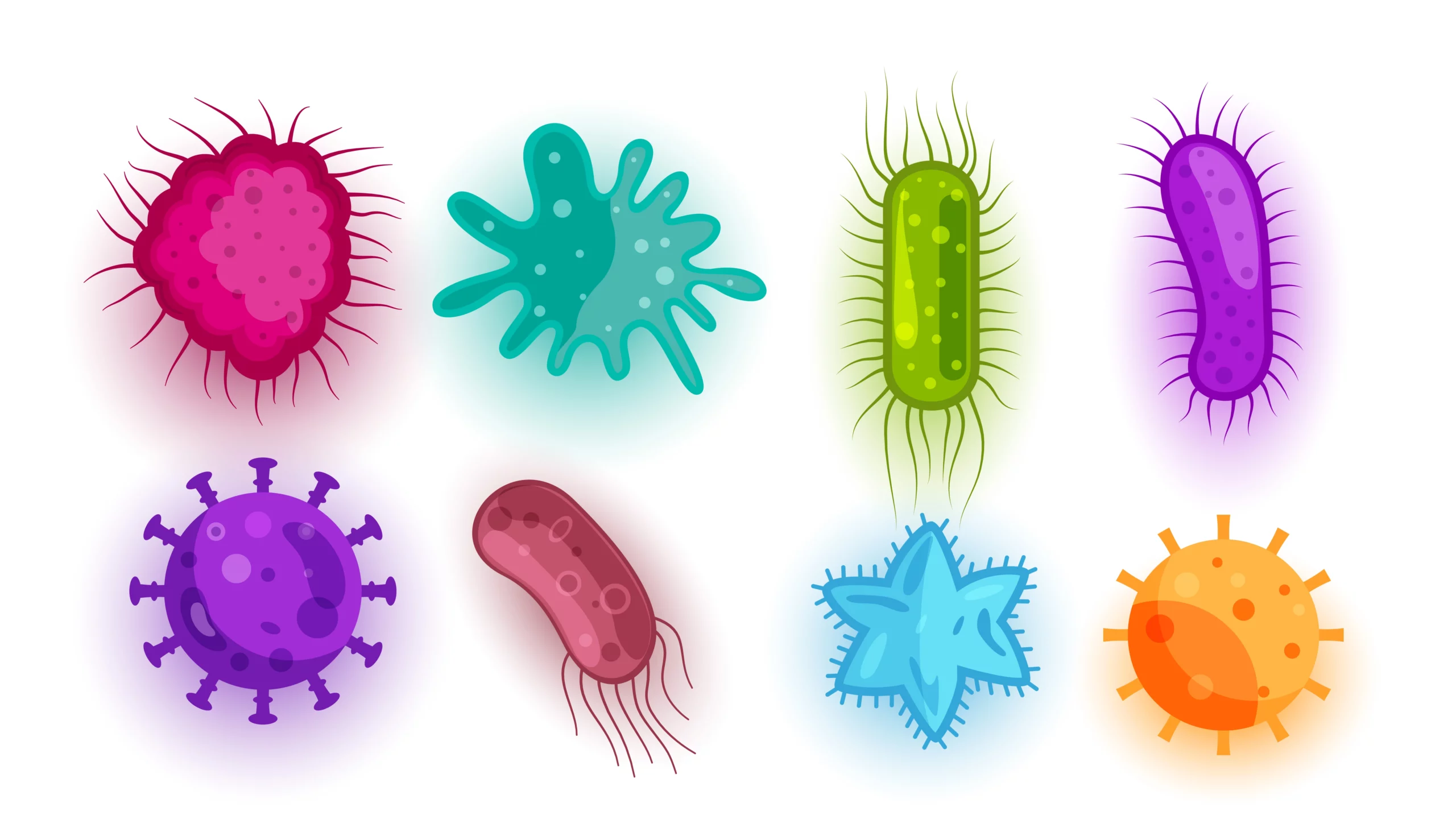
Image by starline on Freepik